Trump declares robot imports a national security threat
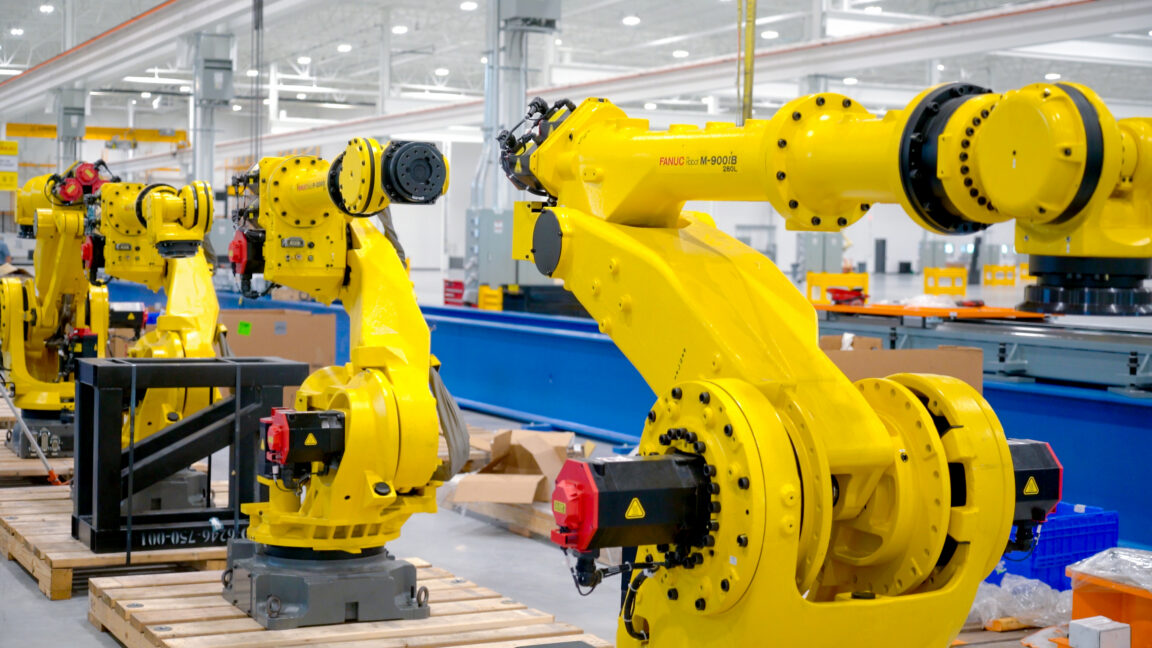
President Trump has declared robot imports a national security threat, initiating trade talks and threatening tariffs on foreign-made factory robots.
Key takeaways
- President Trump has declared foreign-made factory robots a national security threat.
- Trade talks have been initiated to address the issue of robot imports.
- Tariffs on robot imports could lead to increased costs for U.S. manufacturers.
- The move reflects ongoing tensions in international trade relations.
In a surprising move that could reshape the landscape of manufacturing and international trade, President Donald Trump has declared that imports of foreign-made factory robots pose a national security threat. This declaration comes amid ongoing tensions between the United States and several countries over trade practices and economic policies. The President's order to initiate trade talks regarding these imports signals a potential shift in how the U.S. government views automation technology and its implications for domestic jobs and industry. The announcement has raised eyebrows among industry leaders, economists, and policymakers, who are now grappling with the potential ramifications of such a bold stance.
The implications of this declaration are vast, affecting not only the manufacturing sector but also the broader technology landscape. By labeling robot imports as a national security concern, the Trump administration is positioning itself to impose tariffs on these products, which could lead to increased costs for American manufacturers who rely on foreign-made robots for production. This move is likely to spark a debate over the balance between protecting domestic industries and fostering innovation through global collaboration. As the administration prepares to engage in trade talks, the manufacturing sector is left to ponder how these changes will impact their operations and competitiveness in the global market.
Key facts
| Field | Detail |
|---|---|
| Declaration Date | October 2023 |
| Subject | Foreign-made factory robots |
| National Security | Classified as a threat |
| Trade Talks | Initiated by President Trump |
| Potential Tariffs | Threatened on robot imports |
| Impacted Sector | Manufacturing |
| Economic Context | Ongoing trade tensions with multiple countries |
| Stakeholders | U.S. manufacturers, foreign robot manufacturers, policymakers |
Who's involved
Key players in this unfolding situation include the Trump administration, which is driving the initiative, and various stakeholders in the manufacturing sector. Prominent manufacturers who rely on robotic automation, such as General Motors and Ford, are likely to be significantly affected by any tariffs imposed on robot imports. Additionally, foreign manufacturers of robotics technology, including companies from Japan, Germany, and South Korea, will be closely monitoring the developments as they could face increased costs and barriers to entry in the U.S. market.
The backdrop of this declaration is the ongoing debate about the role of automation in the economy. Over the past few years, the rise of robotics and artificial intelligence has transformed manufacturing processes, leading to increased efficiency and productivity. However, this transformation has also raised concerns about job displacement and the future of work. The Trump administration's focus on protecting American jobs has been a central theme of its economic policy, and this latest move appears to be a continuation of that narrative.
Historically, the U.S. has been a leader in robotics innovation, with companies like Boston Dynamics and iRobot paving the way for advancements in automation technology. However, as global competition intensifies, American manufacturers have increasingly turned to foreign suppliers for advanced robotics solutions. This reliance on imports has drawn criticism from those who argue that it undermines domestic manufacturing capabilities and contributes to job losses.
How to read the numbers
While specific numeric data regarding the impact of tariffs on robot imports is not yet available, the following table outlines potential areas of concern for manufacturers:
| Impact Area | Description |
|---|---|
| Cost of Production | Increased tariffs could raise costs for manufacturers relying on imported robots |
| Job Market | Potential job losses in manufacturing if costs rise and production is affected |
| Innovation | Risk of stifling innovation if U.S. companies cannot access advanced robotics technology |
| Global Competitiveness | U.S. manufacturers may struggle to compete with foreign companies not facing similar tariffs |
What you can do with it
For manufacturers and businesses involved in robotics, there are several practical takeaways from this situation:
- Evaluate Supply Chains: Companies should assess their reliance on foreign-made robots and consider diversifying their supply chains to mitigate potential tariff impacts.
- Engage in Advocacy: Stakeholders in the manufacturing sector should engage with policymakers to voice their concerns and advocate for balanced trade policies that support innovation.
- Invest in Domestic Solutions: Businesses may want to explore investing in domestic robotics solutions or partnerships with local tech firms to reduce dependency on imports.
- Monitor Developments: Staying informed about the outcomes of trade talks and potential tariff implementations will be crucial for strategic planning.
What we're watching
As the situation develops, the next significant milestone will be the outcome of the trade talks initiated by the Trump administration. Industry leaders are keenly watching for any announcements regarding tariff implementations and their potential impact on the manufacturing sector. Additionally, the response from foreign manufacturers and governments will be critical in shaping the future of international trade in robotics.
Looking ahead, the implications of this declaration could extend beyond tariffs. If the administration takes a hardline approach to foreign robotics imports, it could lead to retaliatory measures from other countries, further complicating global trade relations. The balance between protecting domestic industries and fostering innovation through international collaboration will be a key theme in the coming months, as stakeholders navigate the complexities of this evolving landscape. The outcome of these trade discussions could set a precedent for how the U.S. approaches automation technology and its role in the economy moving forward.
Source: Ars Technica - AI · Read original →
Instagram & TikTok: copy the link and paste into a Story, Reel, or caption.
Digest
AI news by email
Weekly Friday briefings plus midweek notes when models or research drop. Sources included — unsubscribe anytime.
Discussion
Comment here after signing in, or share the story to continue the conversation elsewhere.
Instagram & TikTok: copy the link and paste into a Story, Reel, or caption.
Log in or create an account to comment — Google / GitHub / X when those providers are configured.
No comments yet — start the thread.