Train a Sentence Embedding Model with 1B Training Pairs
Hugging Face unveils a groundbreaking sentence embedding model trained on one billion pairs, setting new standards in NLP.
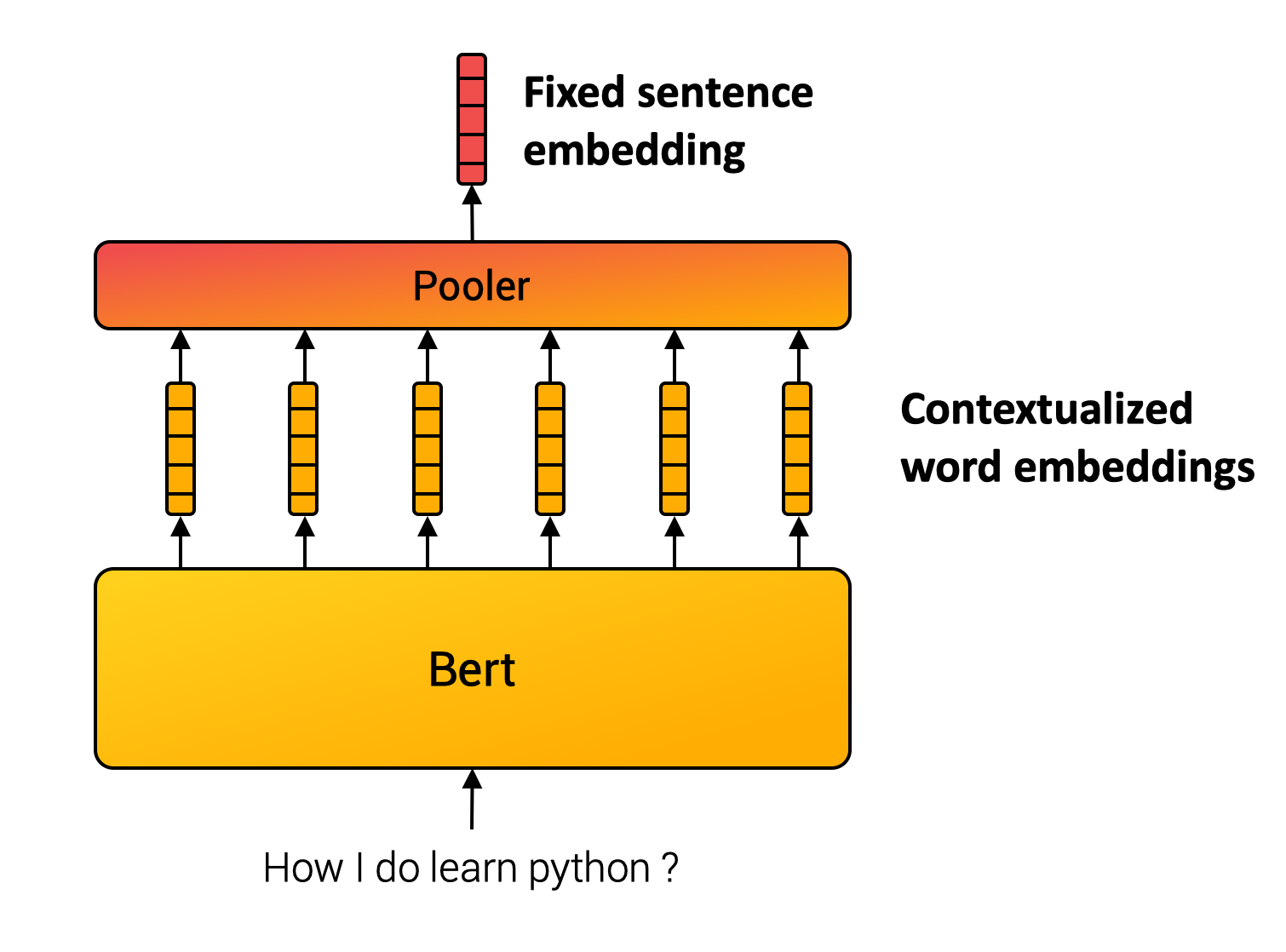
Hugging Face has announced the release of a revolutionary sentence embedding model that has been trained on an unprecedented one billion sentence pairs. This model is designed to significantly enhance the performance of natural language processing (NLP) applications, particularly in tasks related to semantic similarity. By leveraging such a vast dataset, the model achieves state-of-the-art results, making it a powerful tool for developers and researchers looking to improve the accuracy of text understanding and generation in their applications.
The training process involved extensive computational resources and innovative techniques to ensure that the model could effectively learn from the massive dataset. Hugging Face's commitment to open-source principles means that this model will be accessible to a wide range of users, from academic researchers to industry professionals. The implications of this model extend beyond just academic interest; it is poised to transform how businesses and developers approach NLP tasks, enabling more sophisticated interactions with text data.
Key facts
| Field | Detail |
|---|---|
| Model Name | Sentence Embedding Model |
| Training Dataset | 1 billion sentence pairs |
| Performance | State-of-the-art in semantic similarity tasks |
| Deployment | Designed for efficient real-world applications |
| Accessibility | Open-source for broad user access |
The introduction of this model comes at a time when the demand for advanced NLP solutions is rapidly increasing. Companies are seeking ways to integrate more nuanced understanding of language into their products, whether through chatbots, search engines, or content generation tools. The ability to accurately assess semantic similarity can lead to improved user experiences, making interactions more intuitive and effective. This model not only sets a new benchmark for performance but also reflects the growing trend of utilizing large-scale datasets to enhance machine learning capabilities.
Looking ahead, the deployment of this model is expected to spur further innovations in the field of NLP. As developers begin to experiment with the model, we may see new applications emerge that leverage its capabilities in ways not previously possible. The model's open-source nature will also encourage collaboration within the community, potentially leading to enhancements and adaptations that could further push the boundaries of what is achievable in natural language understanding. The next steps will involve monitoring how the model performs in diverse real-world scenarios and the feedback from the community regarding its usability and effectiveness.
Source: Hugging Face Blog · Read original →
Discussion
Comment here after signing in, or share the story to continue the conversation elsewhere.
Instagram & TikTok: copy the link and paste into a Story, Reel, or post caption.
Log in or create an account to comment — Google / GitHub / X when those providers are configured.
No comments yet — start the thread.