The October inflection point for vibe game development
October marks a pivotal moment for vibe game development, signaling shifts in technology and player engagement strategies.
“As AI and procedural generation redefine game development, the emotional connection between players and their virtual worlds is set to deepen significantly.”
Key takeaways
- October 2023 marks a pivotal moment for vibe game development.
- Key technologies driving this shift include AI and procedural generation.
- Indie developers and established studios are both exploring this genre.
- Emotional engagement is becoming a primary focus for players and developers alike.
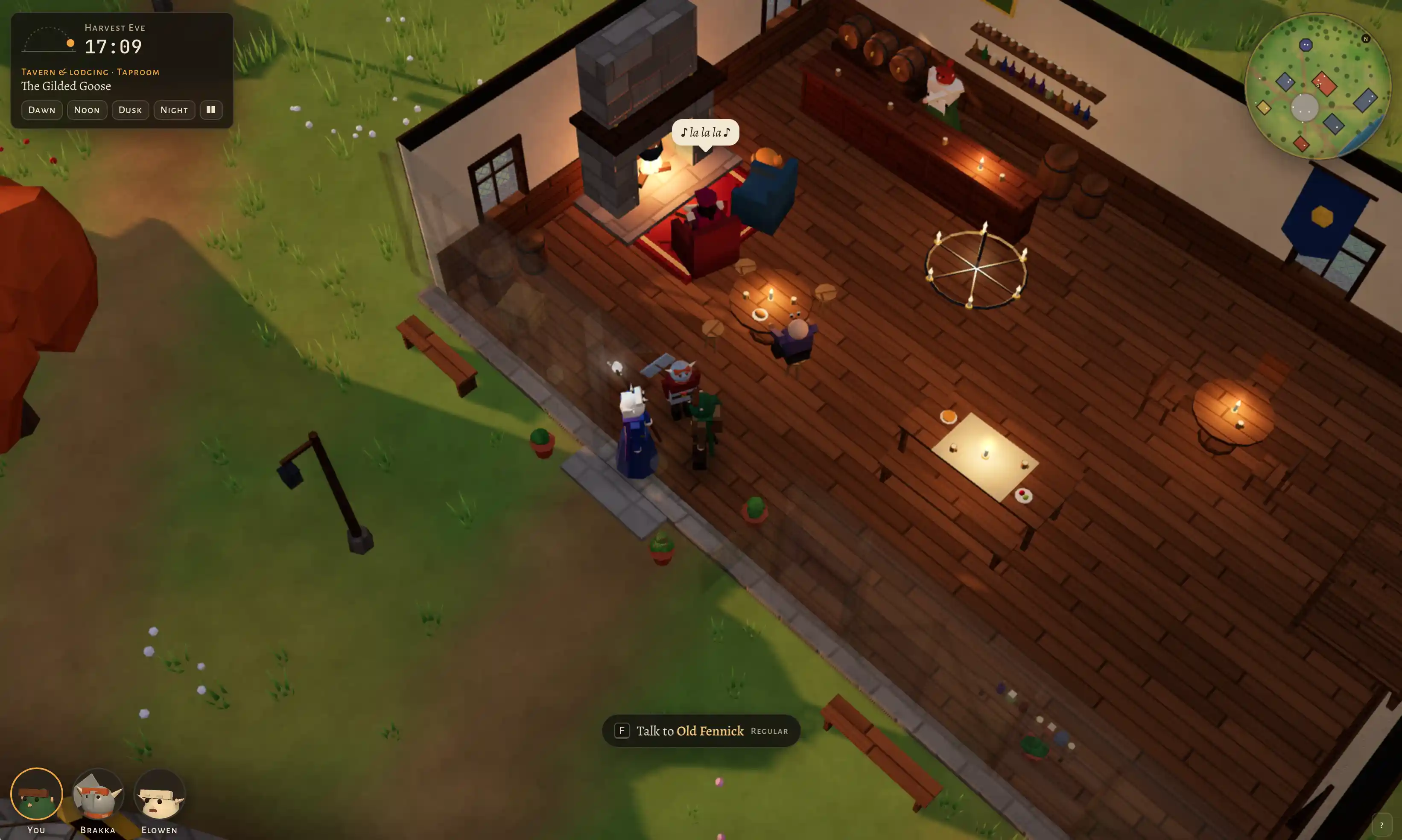
The landscape of game development is experiencing a notable transformation this October, particularly in the realm of vibe games. These games, characterized by their immersive environments and emotional resonance rather than traditional gameplay mechanics, are gaining traction among developers and players alike. This shift is not merely a trend but a reflection of evolving player expectations and technological advancements that allow for richer, more engaging experiences. As developers embrace this new paradigm, they are redefining what it means to create a game that resonates on an emotional level.
At the heart of this transformation is the increasing integration of artificial intelligence and procedural generation techniques. These technologies enable developers to create dynamic environments that respond to player actions and emotions, fostering a more personalized gaming experience. This October, several key players in the industry are unveiling new tools and platforms designed specifically for vibe game development, indicating a collective recognition of the genre's potential. As these innovations come to the forefront, they promise to reshape the way games are designed, played, and experienced.
Key facts
| Field | Detail |
|---|---|
| Date | October 2023 |
| Genre | Vibe games |
| Key Technologies | AI, procedural generation |
| Major Players | Indie developers, established studios |
| Market Trend | Increasing player demand for emotional engagement |
| Notable Releases | Upcoming titles focusing on immersive experiences |
| Community Engagement | Growing interest in player feedback and involvement |
| Development Tools | New platforms for vibe game creation |
Who's involved
The vibe game development scene includes a mix of indie developers and established studios, all of whom are exploring the emotional and immersive potential of this genre. Notable companies such as Thatgamecompany, known for their critically acclaimed title Journey, and smaller indie teams are at the forefront of this movement. Additionally, platforms like Unity and Unreal Engine are enhancing their offerings to support developers in creating vibe-centric experiences.
The rise of vibe games can be traced back to the success of titles that prioritize emotional storytelling and atmospheric immersion over traditional gameplay mechanics. Games like Firewatch and What Remains of Edith Finch have set a precedent, demonstrating that players are willing to engage with narratives that evoke strong feelings and personal connections. This October, the industry is witnessing a surge in projects that aim to build on these foundations, pushing the boundaries of what games can achieve in terms of emotional depth.
As technology continues to evolve, the tools available for developers are becoming increasingly sophisticated. The integration of AI and machine learning into game design is allowing for more nuanced interactions and environments that adapt to player behavior. For instance, AI-driven NPCs can respond to player emotions, creating a more immersive experience that feels alive and reactive. This capability is particularly important for vibe games, where the emotional connection between the player and the game world is paramount.
How to read the numbers
While specific performance metrics for vibe games may not be readily available, the following table outlines some key benchmarks that developers are focusing on as they create these immersive experiences:
| Benchmark | Focus Area |
|---|---|
| Emotional Engagement | Player feedback on narrative impact |
| Environmental Interactivity | Level of player agency in the game world |
| AI Responsiveness | Quality of NPC interactions |
| Procedural Generation | Variety and uniqueness of game environments |
| Community Engagement | Player involvement in game development |
What you can do with it
For developers looking to dive into vibe game development, here are some practical takeaways:
- Explore AI Integration: Investigate how AI can enhance emotional engagement in your game. Consider implementing AI-driven NPCs that react to player choices and emotions.
- Utilize Procedural Generation: Leverage procedural generation techniques to create dynamic environments that evolve based on player interactions, ensuring a unique experience for each player.
- Engage with the Community: Foster a community around your game by involving players in the development process. Gather feedback and iterate on your designs based on player input.
- Focus on Narrative Depth: Prioritize storytelling and emotional resonance in your game design. Develop characters and narratives that players can connect with on a personal level.
What we're watching
As the vibe game genre continues to evolve, we are closely monitoring the upcoming releases that promise to push the boundaries of emotional storytelling. Additionally, the integration of AI and procedural generation will be a key area to watch, as developers experiment with these technologies to create more immersive experiences. The industry's response to player feedback and the growing community engagement will also be crucial in shaping the future of vibe games.
Looking ahead, the next few months will be critical for vibe game development. With several anticipated titles set to launch, developers will need to balance innovation with player expectations. The success of these games could determine the viability of vibe games as a mainstream genre, influencing future projects and investments in this space. As the industry navigates this inflection point, the potential for emotional engagement in gaming is greater than ever, opening new avenues for creativity and player connection.
Source: Simon Willison's Weblog · Read original →
Instagram & TikTok: copy the link or quote and paste into a Story, Reel, or caption.
Digest
AI news by email
Weekly Friday briefings plus midweek notes when models or research drop. Sources included — unsubscribe anytime.
Discussion
Comment here after signing in, or share the story to continue the conversation elsewhere.
Instagram & TikTok: copy the link and paste into a Story, Reel, or caption.
Log in or create an account to comment — Google / GitHub / X when those providers are configured.
No comments yet — start the thread.