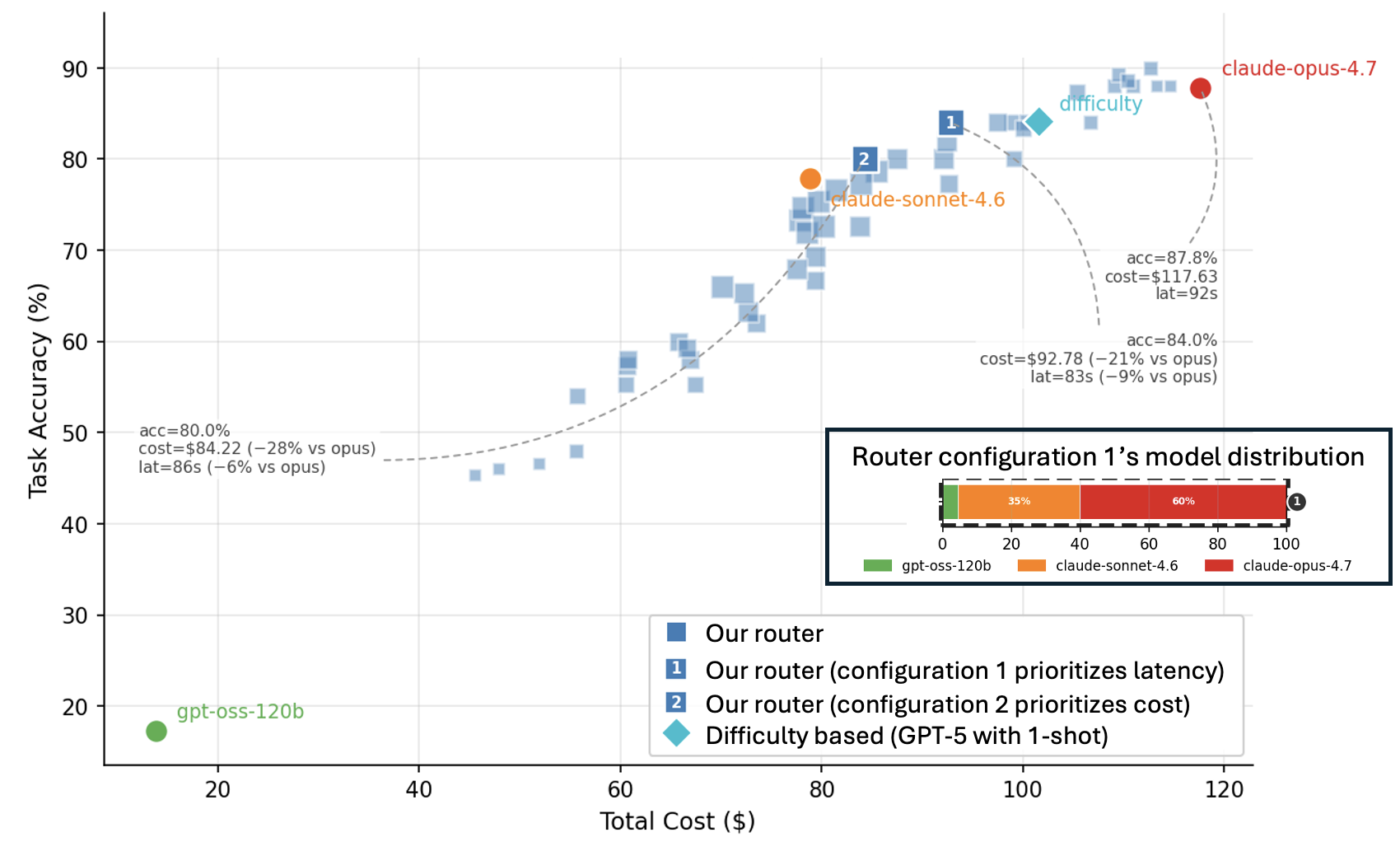
Model Routing Is Simple. Until It Isn’t.
Hugging Face explores the intricacies of model routing for enhanced AI deployment and performance optimization.
Hugging Face has recently published a blog post that delves into the complexities of model routing, emphasizing its critical role in the efficient deployment of artificial intelligence systems. As AI models become increasingly sophisticated, the need for effective routing strategies has grown, enabling developers to optimize performance and resource allocation. The blog outlines various challenges and considerations that arise when implementing model routing, providing insights for practitioners looking to enhance their AI applications.
The discussion highlights that while model routing may seem straightforward at first glance, it quickly becomes intricate due to the diverse requirements of different AI models and the environments in which they operate. Hugging Face, known for its contributions to the AI community through open-source tools and libraries, aims to equip developers with the knowledge necessary to navigate these complexities. By addressing the nuances of model routing, the blog serves as a valuable resource for those looking to improve their AI deployment strategies.
Key facts
| Field | Detail |
|---|---|
| Topic | Model routing in AI deployment |
| Author | Hugging Face |
| Purpose | To explore complexities and challenges in model routing |
| Target Audience | AI developers and practitioners |
| Key Insight | Effective routing is essential for performance optimization in AI models |
Understanding model routing is essential for anyone involved in AI development, as it directly impacts the efficiency and effectiveness of deployed models. Routing determines how data flows through various models and components, influencing response times and resource utilization. As AI systems become more complex, with multiple models working in tandem, the routing process must be carefully designed to ensure that each model receives the appropriate input and can deliver the desired output without unnecessary delays or resource wastage.
The challenges of model routing are not new; they echo issues faced in earlier AI deployments, such as those seen with ensemble learning techniques. However, the advent of large-scale models and the increasing demand for real-time processing have amplified these challenges. Developers must consider factors such as model compatibility, data preprocessing, and the computational resources available when designing routing strategies. The blog from Hugging Face serves to remind practitioners that while tools and frameworks can simplify some aspects of AI deployment, the underlying complexities of model routing require careful thought and planning.
Looking ahead, the AI community is likely to see continued advancements in model routing techniques, particularly as new architectures and frameworks emerge. Hugging Face's insights may pave the way for more robust solutions that can handle the growing demands of AI applications. As organizations increasingly rely on AI for critical decision-making processes, the importance of mastering model routing will only become more pronounced, making it a key area for ongoing research and development.
Source: Hugging Face Blog · Read original →
Discussion
Comment here after signing in, or share the story to continue the conversation elsewhere.
Instagram & TikTok: copy the link and paste into a Story, Reel, or post caption.
Log in or create an account to comment — Google / GitHub / X when those providers are configured.
No comments yet — start the thread.
