Large Language Models: A New Moore's Law?
Large language models exhibit a rapid growth pattern, potentially redefining AI development akin to Moore's Law.
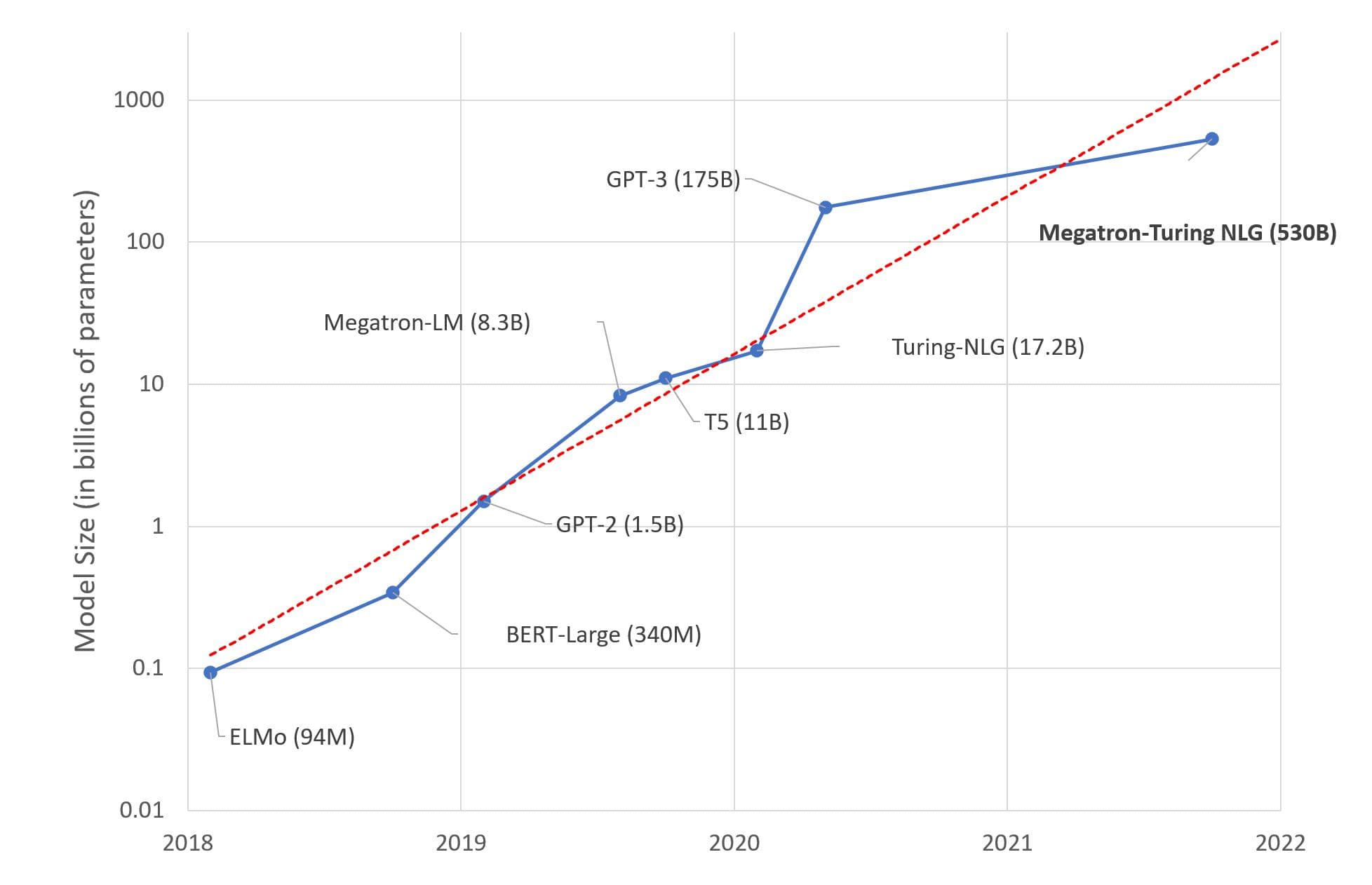
Large language models (LLMs) are experiencing a remarkable acceleration in their capabilities, with new analyses suggesting they are doubling in performance approximately every 2.5 months. This rapid growth trajectory has sparked discussions among AI researchers and industry leaders about whether this pattern could be likened to a new version of Moore's Law, which originally described the exponential increase in the number of transistors on microchips over time. The implications of such a trend are profound, as they could lead to unprecedented advancements in AI technologies and applications across various sectors.
The concept of LLMs doubling in capability so frequently raises questions about the sustainability of this growth and its potential impact on the broader AI ecosystem. As organizations increasingly rely on these models for tasks ranging from natural language processing to complex decision-making, understanding the dynamics of their development becomes crucial. The prospect of exponential growth in AI performance not only excites technologists but also poses challenges regarding ethical considerations, resource allocation, and the potential for rapid obsolescence of existing technologies.
Key facts
| Field | Detail |
|---|---|
| Growth Rate | Doubling in capability every 2.5 months |
| Comparison | Potentially analogous to a new Moore's Law |
| Impact on AI | Could revolutionize AI development and applications |
| Industry Reactions | Increased interest from researchers and businesses |
| Future Considerations | Ethical implications and resource management |
As the AI landscape evolves, the rapid advancement of LLMs could lead to a shift in how businesses approach AI integration. Companies may need to reassess their strategies and investment in AI technologies, particularly if performance improvements continue at this accelerated pace. The potential for LLMs to enhance efficiency and effectiveness in various applications—from customer service automation to content generation—could redefine competitive advantages in numerous industries. This rapid evolution may also prompt a reevaluation of regulatory frameworks to ensure responsible use and deployment of these powerful technologies.
Looking ahead, the question remains whether this trend will sustain itself or if it will encounter limitations as the technology matures. The historical context of Moore's Law suggests that while exponential growth is possible, it may not be infinite. As researchers and developers push the boundaries of what LLMs can achieve, the industry will need to remain vigilant about the implications of such rapid advancements. The next few months will be critical in determining whether this doubling trend continues and how it shapes the future of AI development and its applications.
Source: Hugging Face Blog · Read original →
Discussion
Comment here after signing in, or share the story to continue the conversation elsewhere.
Instagram & TikTok: copy the link and paste into a Story, Reel, or post caption.
Log in or create an account to comment — Google / GitHub / X when those providers are configured.
No comments yet — start the thread.