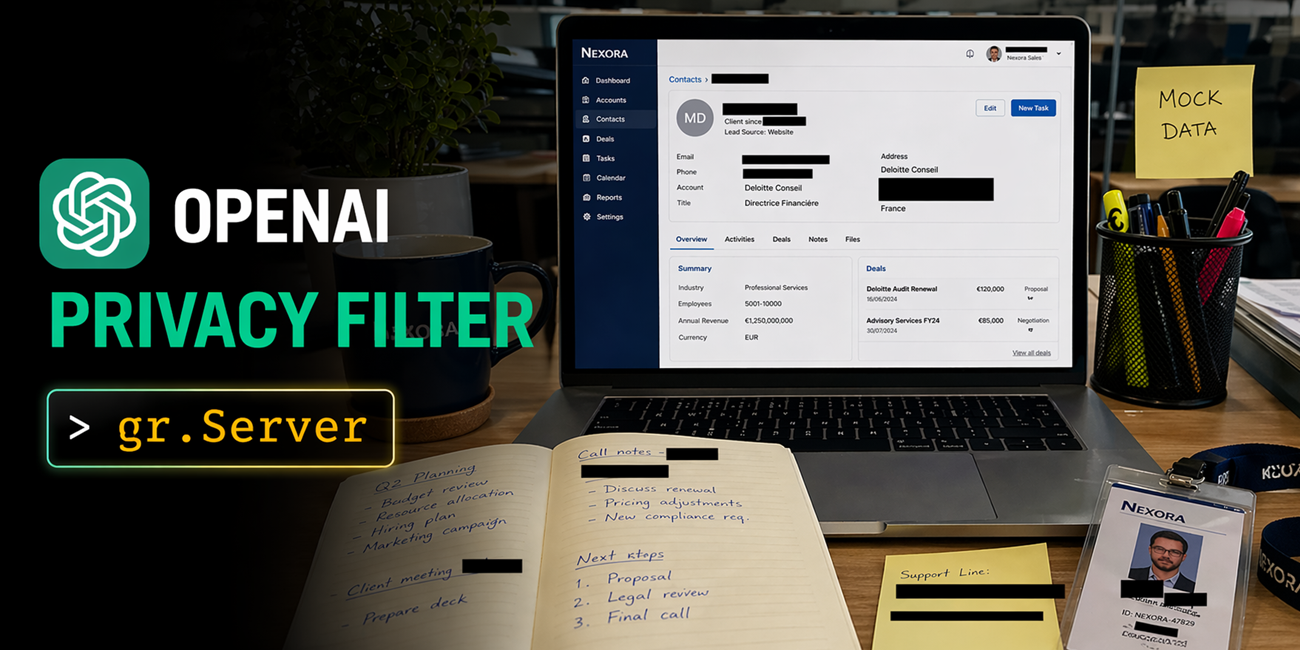
How to build scalable web apps with OpenAI's Privacy Filter
OpenAI's Privacy Filter empowers developers to scale web apps while ensuring user data privacy.
OpenAI has introduced its Privacy Filter, a tool designed to enhance the scalability of web applications while prioritizing user data privacy. This innovative feature allows developers to manage sensitive information more effectively, ensuring compliance with privacy regulations as their applications grow. By integrating the Privacy Filter, developers can streamline data handling processes without compromising on security or user trust.
The Privacy Filter is particularly relevant in today’s digital landscape, where data breaches and privacy concerns are at the forefront of both consumer and regulatory scrutiny. As web applications increasingly handle vast amounts of user data, the need for robust privacy solutions has never been more critical. OpenAI's initiative aims to address these challenges head-on, providing developers with a seamless way to incorporate privacy measures into their existing frameworks, thus enhancing both functionality and user confidence.
Key facts
| Field | Detail |
|---|---|
| Tool | OpenAI's Privacy Filter |
| Purpose | Enhances data handling and privacy compliance |
| Integration | Seamless integration into existing frameworks |
| Target Audience | Web developers and application builders |
| Key Benefit | Scalable solutions without compromising privacy |
The introduction of OpenAI's Privacy Filter comes at a time when many developers are grappling with the complexities of data privacy laws such as GDPR and CCPA. These regulations impose strict guidelines on how user data must be handled, and failure to comply can result in hefty fines. By providing a tool that simplifies compliance, OpenAI is positioning itself as a crucial ally for developers who want to innovate without risking their users' privacy. This aligns with a broader trend in the tech industry where privacy-first approaches are becoming essential in product development.
As companies increasingly prioritize user privacy, the demand for tools that facilitate this goal is likely to grow. OpenAI's Privacy Filter not only addresses immediate concerns but also sets a precedent for future developments in privacy technology. Developers can expect to see more features that integrate privacy compliance into the core functionality of applications, making it easier to build trust with users. The next steps for OpenAI will likely involve gathering feedback from early adopters to refine the Privacy Filter and expand its capabilities, ensuring it meets the evolving needs of developers and users alike.
Source: Hugging Face Blog · Read original →
Discussion
Comment here after signing in, or share the story to continue the conversation elsewhere.
Instagram & TikTok: copy the link and paste into a Story, Reel, or post caption.
Log in or create an account to comment — Google / GitHub / X when those providers are configured.
No comments yet — start the thread.

