How Specializing the Vocabulary of SLMs Can Cut Inference Cost by 77% in Real Applications
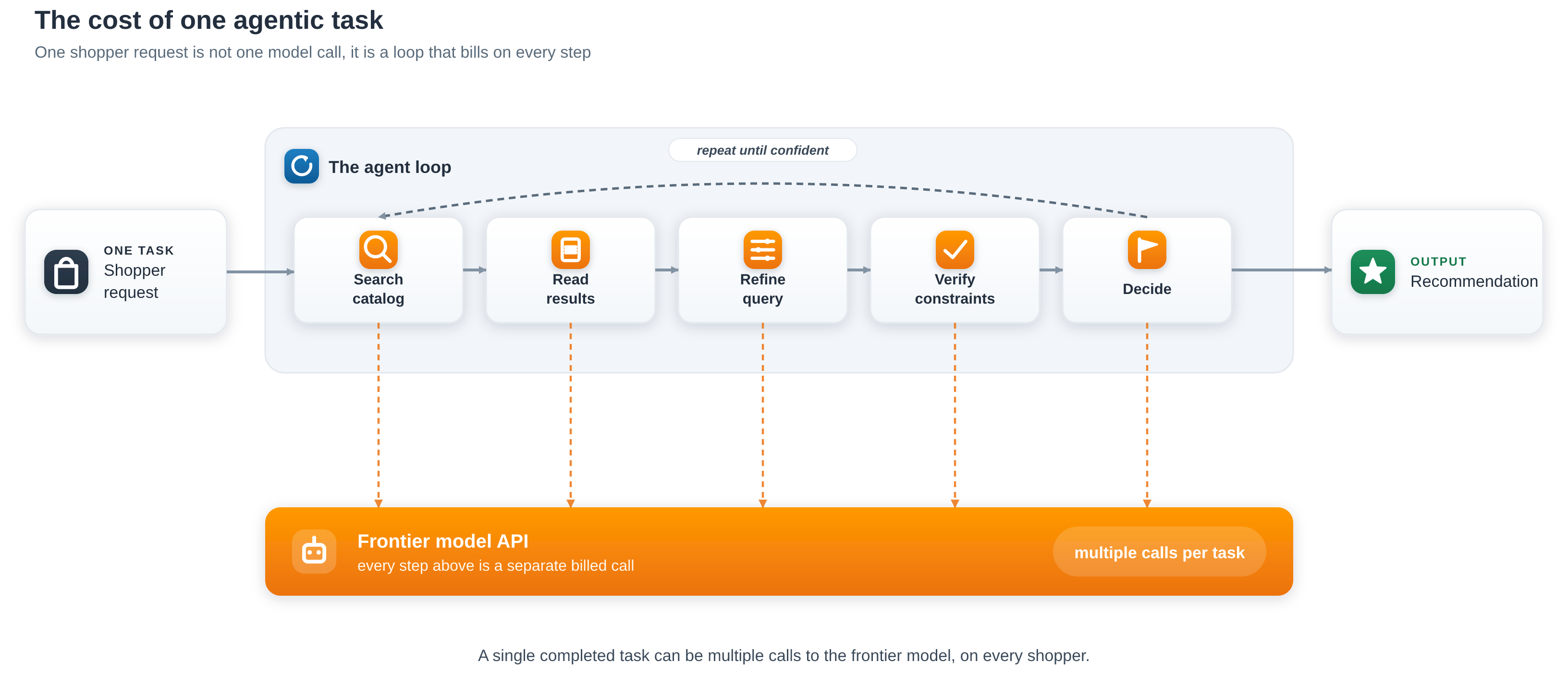
Hugging Face reveals a method to reduce inference costs for SLMs by 77% through specialized vocabulary.
“By narrowing the vocabulary to only the most relevant terms, Hugging Face's approach enhances model performance while slashing costs dramatically.”
Key takeaways
- Hugging Face has introduced a method to reduce inference costs for SLMs by 77%.
- The approach focuses on specializing vocabulary for specific applications.
- This innovation targets industries like customer service and content generation.
- The technology is based on empirical studies conducted by Hugging Face.
- Businesses can expect enhanced efficiency and performance from tailored language models.
In a groundbreaking revelation, Hugging Face has unveiled a novel approach to optimizing the inference costs associated with sequence language models (SLMs). By specializing the vocabulary used in these models, Hugging Face claims that organizations can achieve a staggering 77% reduction in costs during real-world applications. This development comes at a time when the demand for efficient AI solutions is surging, particularly as businesses seek to harness the power of language models for various applications, from customer service automation to content generation.
The implications of this discovery are profound, especially for companies that rely heavily on language models for their operations. Traditional SLMs often utilize a broad vocabulary that, while comprehensive, can lead to inefficiencies in processing and increased costs. By narrowing the vocabulary to only the most relevant terms for specific applications, Hugging Face's approach not only streamlines the inference process but also enhances the model's performance in targeted tasks. This could be a game-changer for industries that require rapid and cost-effective language processing capabilities.
Key facts
| Field | Detail |
|---|---|
| Company | Hugging Face |
| Technology | Specialized Vocabulary for SLMs |
| Cost Reduction | 77% in inference costs |
| Application Areas | Customer service, content generation, etc. |
| Model Type | Sequence Language Models (SLMs) |
| Release Date | October 2023 |
| Target Users | Businesses utilizing AI for language tasks |
| Performance Impact | Enhanced efficiency in specific applications |
| Research Basis | Empirical studies by Hugging Face |
| Industry Impact | Potentially transformative for various sectors |
Who's involved
Hugging Face is at the forefront of this innovation, leveraging its expertise in natural language processing and machine learning. The company has been a significant player in the AI landscape, known for its open-source contributions and community-driven approach. Their latest research focuses on optimizing SLMs, which are widely used in various applications across industries.
Background
Sequence language models have become integral to many AI applications, but they are not without their challenges. Traditionally, these models have relied on extensive vocabularies that encompass a wide range of terms, which can lead to inefficiencies in processing. For instance, a model designed to handle general language tasks may struggle with specific jargon or terminology relevant to a particular field, resulting in unnecessary computational overhead.
Hugging Face's approach to specializing vocabulary represents a significant shift in how language models can be optimized. By focusing on a tailored vocabulary that aligns with the specific needs of an application, the company aims to reduce the computational burden associated with inference. This method not only cuts costs but also enhances the model's ability to understand and generate relevant content, ultimately leading to better performance in real-world scenarios.
How to read the numbers
While the exact performance metrics of this new approach are still emerging, the claim of a 77% reduction in inference costs is particularly noteworthy. This figure suggests that businesses can expect substantial savings when deploying SLMs with specialized vocabularies. The potential for cost reduction is especially appealing for organizations that process large volumes of text data, as the cumulative savings could be significant over time.
What you can do with it
- Evaluate your current use of SLMs to identify areas where specialized vocabulary could enhance efficiency.
- Consider implementing Hugging Face's specialized vocabulary techniques in your AI applications to reduce costs.
- Monitor the performance of your language models post-implementation to assess improvements in processing speed and accuracy.
- Stay updated on further research from Hugging Face to leverage ongoing advancements in SLM optimization.
What we're watching
As Hugging Face continues to refine its approach to specialized vocabulary, the next steps will likely involve empirical testing across various industries. Observing how different sectors adopt this technology will provide valuable insights into its effectiveness and potential limitations. Additionally, the AI community will be keenly watching for any competitive responses from other major players in the language model space, as the race for more efficient AI solutions intensifies.
The introduction of specialized vocabulary for SLMs not only promises to cut costs but also sets the stage for a new era in language processing. As businesses increasingly rely on AI for communication and content generation, the ability to tailor models to specific needs could redefine how organizations approach language tasks. The ongoing research and development in this area will be crucial in determining the long-term impact of these innovations on the broader AI landscape.
Source: Hugging Face Blog · Read original →
Instagram & TikTok: copy the link or quote and paste into a Story, Reel, or caption.
Digest
AI news by email
Weekly Friday briefings plus midweek notes when models or research drop. Sources included — unsubscribe anytime.
Discussion
Comment here after signing in, or share the story to continue the conversation elsewhere.
Instagram & TikTok: copy the link and paste into a Story, Reel, or caption.
Log in or create an account to comment — Google / GitHub / X when those providers are configured.
No comments yet — start the thread.