

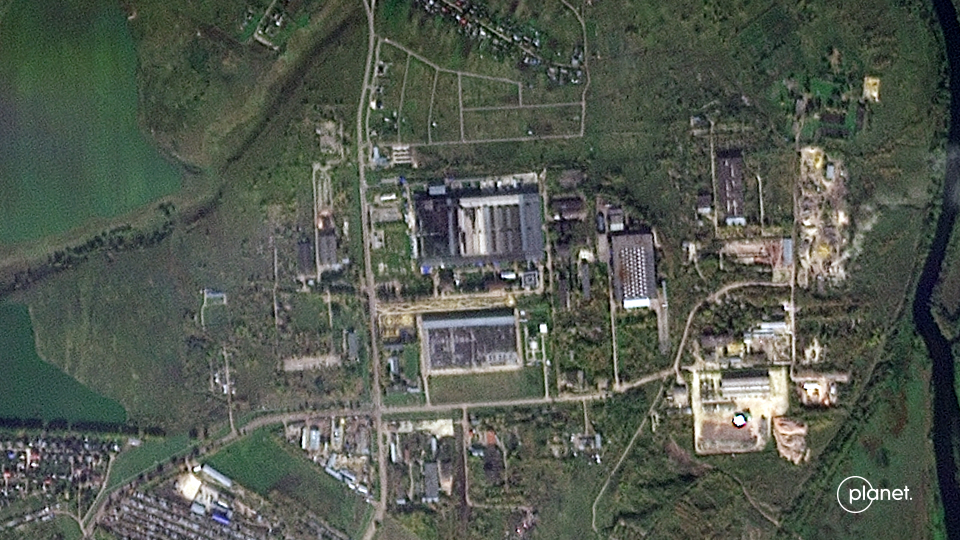
Ukraine’s drones knock out AI data center belonging to "Russia’s Google"
Ukrainian forces have successfully targeted a data center crucial for training Yandex's AI models, impacting Russia's tech landscape.
“The strike on Yandex's data center not only disrupts AI training but also signals a new era where tech infrastructure is a battlefield.”
Key takeaways
- Ukrainian drones targeted Yandex's data center, crucial for AI model training.
- The attack represents a strategic blow to Russia's tech sector amid ongoing conflict.
- Yandex faces challenges in AI development due to damage to supercomputers.
- The incident highlights the increasing role of technology in modern warfare.
- Future military engagements may prioritize tech infrastructure as legitimate targets.
The ongoing conflict between Ukraine and Russia has seen a significant escalation in the use of technology as a weapon, with both sides leveraging advanced capabilities to gain an upper hand. Recently, Ukrainian drones targeted and damaged a data center belonging to Yandex, often referred to as 'Russia's Google.' This facility was not just a hub for internet services but also housed supercomputers essential for training Yandex's artificial intelligence models. The strike represents a strategic blow to Yandex, which has been striving to maintain its technological edge amid international sanctions and increasing military pressure.
Yandex has been a pivotal player in Russia's tech ecosystem, providing a wide array of services, including search engines, ride-hailing, and cloud computing. The data center that was damaged is believed to be integral to Yandex's AI development, which includes applications in natural language processing, computer vision, and other machine learning domains. The loss of computational resources could hinder Yandex's ability to innovate and compete, especially as the global AI race intensifies. This incident underscores the intersection of military conflict and technological advancement, where data centers become critical targets in the broader strategy of warfare.
Key facts
| Field | Detail |
|---|---|
| Incident Date | October 2023 |
| Location | Yandex data center, Russia |
| Type of Attack | Drone strike |
| Target | Supercomputers for AI training |
| Impact | Damage to AI model training capabilities |
| Company | Yandex N.V. |
| Significance | Strategic blow to Russian tech sector |
| Conflict | Ongoing Ukraine-Russia war |
| AI Applications | Natural language processing, computer vision |
| Global Context | Increasing military use of technology |
Who's involved
The primary player in this incident is Yandex, a major Russian technology company founded in 1997. Yandex operates a variety of services similar to those of Google, including search engines, e-commerce, and cloud services. The Ukrainian military, specifically its drone units, executed the strike, showcasing their growing capabilities in precision warfare. This incident also highlights the broader geopolitical tensions between Ukraine and Russia, where technology plays a crucial role in both defense and offense.
The conflict has seen various tech companies and startups emerge in both countries, with Yandex being a significant player in Russia's tech landscape. The company has been under increasing pressure due to international sanctions, which have limited its access to Western technologies and markets. This attack on its data center could further exacerbate its challenges, potentially leading to a slowdown in its AI advancements.
As the war continues, the role of technology in military strategy has become increasingly pronounced. The use of drones for precision strikes is not new, but the targeting of data centers represents a new frontier in the conflict. Previous conflicts have shown that infrastructure, particularly that which supports technological development, can be a focal point in warfare. The targeting of Yandex's data center may set a precedent for future engagements, where tech infrastructure becomes a legitimate target in military operations.
In the past, Yandex has faced challenges in its AI endeavors, particularly in the wake of sanctions that have limited its access to advanced hardware and software. The company has been working to develop its own AI technologies to reduce reliance on foreign systems. However, the damage to its data center could significantly impact its research and development timelines, forcing Yandex to reassess its strategies in the rapidly evolving AI landscape.
How to read the numbers
| Benchmark | Status |
|---|---|
| AI Model Training Capacity | Reduced |
| Supercomputer Availability | Limited |
| Projected AI Development Timeline | Delayed |
| Current AI Projects | At risk |
| Military Drone Usage | Increasing |
The loss of supercomputing resources at Yandex's data center is expected to have a cascading effect on its AI projects. With reduced training capacity, the company may struggle to keep pace with competitors, both domestically and internationally. The ongoing conflict has already strained resources, and this incident could further delay Yandex's AI initiatives, which are crucial for its long-term viability in the tech sector.
What you can do with it
- Monitor Yandex's AI developments: Keep an eye on how this incident affects Yandex's AI projects and overall business strategy.
- Evaluate alternatives: For businesses relying on Yandex's services, consider diversifying your tech stack to mitigate risks associated with potential service disruptions.
- Stay informed on military tech trends: Understanding the intersection of military technology and commercial applications can provide insights into future developments in AI and other tech sectors.
- Engage in discussions about tech ethics: The targeting of tech infrastructure raises ethical questions about the role of technology in warfare, which are increasingly relevant in today's geopolitical climate.
What we're watching
As the situation unfolds, it will be crucial to monitor how Yandex responds to this setback. The company may need to pivot its strategies, possibly seeking partnerships or alternative resources to recover from the damage. Additionally, the implications of this attack on the broader tech landscape in Russia and Ukraine will be significant, as both countries adapt to the changing dynamics of warfare and technology.
Looking ahead, the targeting of tech infrastructure in conflicts may become more common, raising questions about the future of AI development in war-torn regions. The balance between military necessity and the preservation of technological advancement will be a critical area of focus as the conflict continues. The outcome of this incident could influence how both sides approach technology in their military strategies moving forward.
Source: Ars Technica - AI · Read original →
Instagram & TikTok: copy the link or quote and paste into a Story, Reel, or caption.
Digest
AI news by email
Weekly Friday briefings plus midweek notes when models or research drop. Sources included — unsubscribe anytime.
Discussion
Comment here after signing in, or share the story to continue the conversation elsewhere.
Instagram & TikTok: copy the link and paste into a Story, Reel, or caption.
Log in or create an account to comment — Google / GitHub / X when those providers are configured.
No comments yet — start the thread.


