

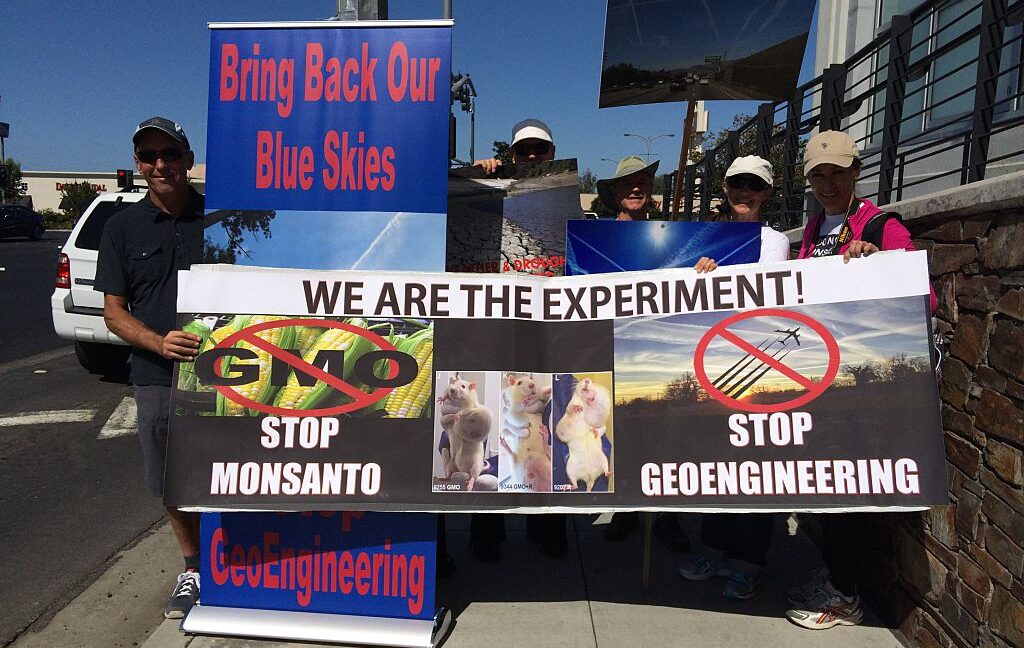
They war-gamed dimming the Sun. It went even worse than you think.
A recent simulation of solar geoengineering reveals alarming geopolitical consequences that could arise from dimming the Sun.
“The simulation revealed that the introduction of solar geoengineering could exacerbate existing geopolitical tensions and create new conflicts among nations.”
Key takeaways
- A recent simulation explored the geopolitical implications of solar geoengineering.
- Dimming the Sun through aerosol injection could lead to international disputes.
- The research involved a collaboration of climate scientists and geopolitical analysts.
- Historical skepticism surrounds solar geoengineering due to potential unintended consequences.
- The findings emphasize the need for international cooperation in climate interventions.
In a groundbreaking simulation, researchers have explored the potential ramifications of solar geoengineering, specifically the controversial method of dimming the Sun to combat climate change. This method, which involves injecting aerosols into the stratosphere to reflect sunlight, has been a topic of heated debate among scientists, policymakers, and environmentalists. The simulation, conducted by a team of climate scientists and geopolitical analysts, aimed to assess not only the environmental impacts of such an intervention but also the complex geopolitical dynamics that could emerge as nations grapple with the consequences of altering the planet's climate.
The findings of the simulation were stark and unsettling. As the researchers delved into various scenarios, they discovered that the introduction of solar geoengineering could exacerbate existing geopolitical tensions and create new conflicts. The study revealed that countries with differing climate priorities and economic interests would likely engage in fierce disputes over the implementation and governance of solar geoengineering technologies. This could lead to a breakdown of international cooperation, further complicating efforts to address climate change on a global scale.
Key facts
| Field | Detail |
|---|---|
| Simulation Focus | Solar geoengineering and its geopolitical implications |
| Method | Dimming the Sun through aerosol injection |
| Research Team | Climate scientists and geopolitical analysts |
| Key Findings | Increased geopolitical tensions and conflicts |
| Potential Outcomes | Breakdown of international cooperation |
| Climate Impact | Uncertain effects on weather patterns and ecosystems |
| Publication Date | October 2023 |
| Location of Study | Various global scenarios analyzed |
| Funding Sources | Environmental research grants and institutions |
| Collaboration | Involvement of multiple international research institutions |
The players involved in this simulation include a consortium of climate scientists, geopolitical analysts, and various research institutions dedicated to understanding the implications of climate interventions. Notable contributors to the study include researchers from prestigious universities and think tanks, all of whom bring a wealth of expertise in climate science, international relations, and environmental policy. Their collaboration underscores the need for interdisciplinary approaches to tackle the multifaceted challenges posed by climate change.
Historically, solar geoengineering has been met with skepticism and concern. Previous studies have highlighted the potential for unintended consequences, such as disruptions to weather patterns and the possibility of creating "winner" and "loser" regions on the planet. The recent simulation builds upon this foundation by incorporating geopolitical factors, illustrating how nations might react to the perceived benefits or risks of solar geoengineering. Unlike earlier models that focused primarily on environmental outcomes, this simulation emphasizes the critical role of human behavior and political dynamics in shaping the future of climate interventions.
The geopolitical landscape surrounding climate change is already fraught with tension. Nations are grappling with the impacts of rising sea levels, extreme weather events, and shifting agricultural patterns. In this context, the introduction of solar geoengineering could be seen as a desperate measure by some countries, while others may view it as a threat to their sovereignty and environmental integrity. The simulation revealed that countries with vested interests in fossil fuels or those heavily reliant on agriculture might resist solar geoengineering efforts, fearing that such interventions could undermine their economic stability.
How to read the numbers
| Scenario | Geopolitical Tension Level |
|---|---|
| Scenario A | High |
| Scenario B | Moderate |
| Scenario C | Low |
| Scenario D | Critical |
| Scenario E | Uncertain |
The simulation's scenarios varied in their geopolitical tension levels, reflecting the complexities of international relations in the face of climate interventions. For instance, Scenario A depicted a world where major powers engaged in aggressive competition for control over solar geoengineering technologies, resulting in heightened tensions and potential conflict. Conversely, Scenario C illustrated a more cooperative approach, where nations worked together to establish governance frameworks for solar geoengineering, leading to lower tension levels. However, the overall message was clear: the introduction of solar geoengineering could easily tip the scales toward conflict if not managed carefully.
What you can do with it
- Stay informed about the developments in solar geoengineering research and its implications for climate policy.
- Engage in discussions about the ethical and geopolitical dimensions of climate interventions.
- Advocate for international cooperation and governance frameworks to manage solar geoengineering technologies.
- Support research initiatives that explore the social and political aspects of climate change solutions.
What we're watching
As the conversation around solar geoengineering continues to evolve, researchers and policymakers are closely monitoring the geopolitical landscape. Key questions remain about how nations will respond to the prospect of climate interventions and whether international agreements can be reached to govern their use. The next significant milestone will likely involve discussions at climate summits, where the potential for solar geoengineering will be debated alongside other climate solutions. The outcome of these discussions could set the stage for future research and policy decisions, shaping the trajectory of global climate action.
Looking ahead, the implications of this simulation extend beyond the immediate findings. The research underscores the urgent need for a comprehensive understanding of the interplay between climate science and geopolitics. As nations grapple with the realities of climate change, the introduction of solar geoengineering could become a pivotal point of contention, influencing not only environmental policy but also international relations for decades to come. The stakes are high, and the path forward requires careful navigation of both scientific and political landscapes.
Source: Ars Technica - AI · Read original →
Instagram & TikTok: copy the link or quote and paste into a Story, Reel, or caption.
Digest
AI news by email
Weekly Friday briefings plus midweek notes when models or research drop. Sources included — unsubscribe anytime.
Discussion
Comment here after signing in, or share the story to continue the conversation elsewhere.
Instagram & TikTok: copy the link and paste into a Story, Reel, or caption.
Log in or create an account to comment — Google / GitHub / X when those providers are configured.
No comments yet — start the thread.


