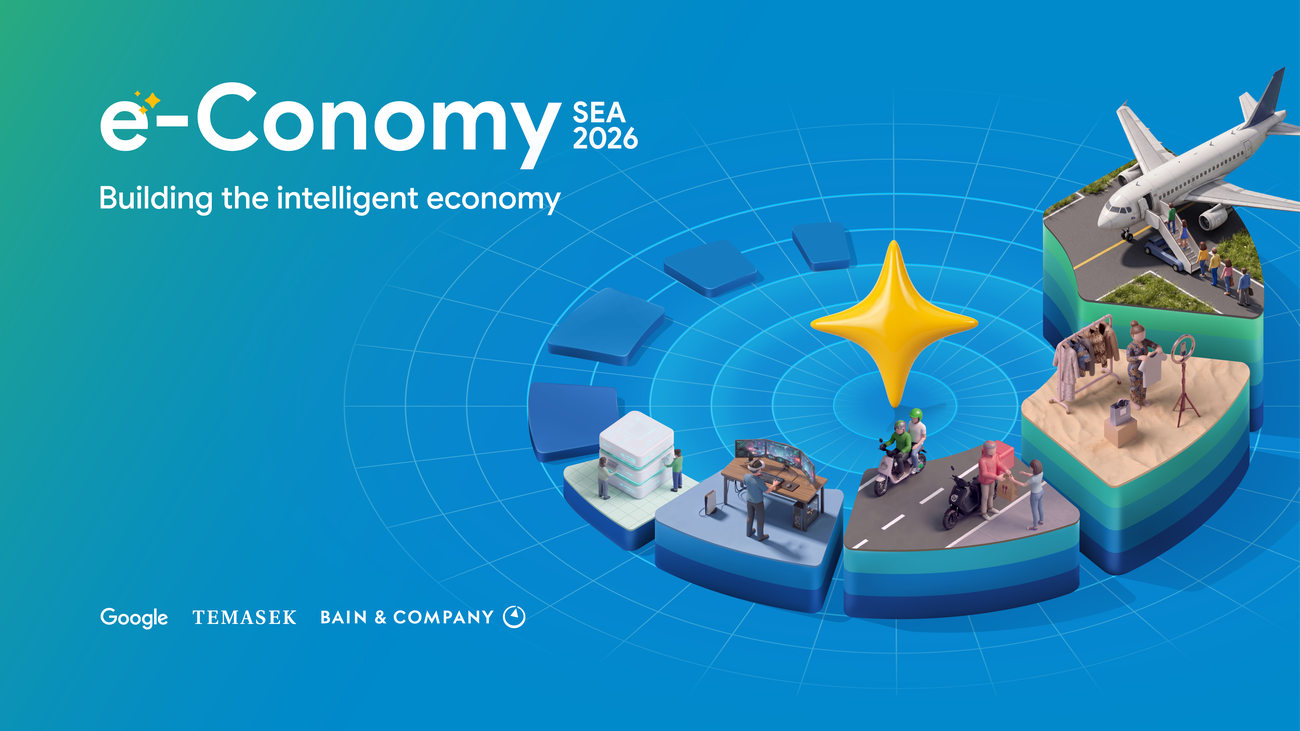
Southeast Asia’s digital economy to hit $368 billion
Southeast Asia's digital economy is set to soar to $368 billion by 2026, driven by widespread AI adoption.
The digital economy of Southeast Asia is on the brink of a significant transformation, with projections indicating it will reach a staggering $368 billion by 2026. This remarkable growth is largely attributed to the rapid and widespread adoption of artificial intelligence (AI) technologies across various sectors. As businesses and governments in the region increasingly leverage AI to enhance productivity, streamline operations, and improve customer experiences, the economic landscape is poised for a dramatic shift. The potential for AI to drive innovation and efficiency is not just a theoretical concept; it is becoming a reality that is reshaping industries and creating new opportunities for growth.
A recent report highlights that the digital economy in Southeast Asia is expected to expand even further, potentially hitting $1 trillion by 2035. This ambitious forecast underscores the region's burgeoning tech ecosystem and the critical role that AI will play in its evolution. As countries like Indonesia, Vietnam, and Singapore invest heavily in digital infrastructure and AI capabilities, they are positioning themselves as leaders in the global digital economy. The implications of this growth are profound, not only for local businesses but also for international companies looking to tap into this vibrant market.
Key facts
| Field | Detail |
|---|---|
| Projected digital economy value (2026) | $368 billion |
| Projected digital economy value (2035) | $1 trillion |
| Key drivers of growth | AI adoption, digital infrastructure investment |
| Major countries involved | Indonesia, Vietnam, Singapore |
| Impact on employment | Job creation in tech sectors |
The players in this burgeoning digital economy are diverse, including tech giants, startups, and government agencies. Companies such as Grab, Gojek, and Sea Group are at the forefront, leveraging AI to enhance their services and expand their market reach. Meanwhile, governments in the region are actively promoting policies to foster innovation and support the growth of the digital economy. Initiatives aimed at improving digital literacy and investing in AI research and development are becoming increasingly common, as leaders recognize the importance of staying competitive in a rapidly changing global landscape.
Historically, Southeast Asia has been characterized by a diverse economic landscape, with varying levels of digital adoption across different countries. However, recent advancements in technology and increased internet penetration have catalyzed a shift towards a more interconnected digital economy. The COVID-19 pandemic further accelerated this trend, as businesses were forced to adapt to remote operations and digital solutions. This shift has created a fertile ground for AI technologies to flourish, as companies seek to optimize their operations and enhance customer engagement.
The rise of AI in Southeast Asia is not without its challenges. While the potential for growth is immense, there are significant hurdles that need to be addressed. Issues such as data privacy, regulatory frameworks, and the need for skilled talent are critical factors that could impact the pace of AI adoption. Countries in the region are grappling with how to create an environment that fosters innovation while ensuring that ethical considerations are taken into account. As AI technologies continue to evolve, it will be essential for stakeholders to collaborate and develop solutions that address these challenges.
Who's involved
- Tech Companies: Grab, Gojek, Sea Group
- Governments: Indonesia, Vietnam, Singapore
- Research Institutions: Various universities and tech research centers across Southeast Asia
The potential impact of AI on the workforce is another critical aspect of this transformation. As businesses increasingly automate processes and integrate AI into their operations, there is a growing concern about job displacement. However, experts suggest that while certain roles may become obsolete, new opportunities will emerge in tech-driven sectors. The demand for skilled professionals in AI, data science, and digital marketing is expected to surge, creating a need for educational institutions to adapt their curricula to meet these evolving demands.
How to read the numbers
| Benchmark | Score |
|---|---|
| AI adoption rate in businesses | 60% |
| Growth in e-commerce | 25% annually |
| Increase in digital payment transactions | 40% year-over-year |
The numbers reflect a broader trend of digital transformation across Southeast Asia, with businesses recognizing the importance of adopting AI technologies to remain competitive. The e-commerce sector, in particular, has seen explosive growth, driven by changing consumer behaviors and increased reliance on online shopping platforms. This shift has created a ripple effect, leading to a surge in digital payment transactions and the need for robust cybersecurity measures to protect consumers.
What you can do with it
- Invest in AI Technologies: Businesses should explore AI solutions that can enhance their operations and customer experiences.
- Focus on Talent Development: Companies should prioritize training and upskilling their workforce to meet the demands of a tech-driven economy.
- Collaborate with Governments: Engage with policymakers to shape regulations that support innovation while addressing ethical considerations.
- Leverage Data Analytics: Utilize data-driven insights to make informed business decisions and improve operational efficiency.
What we're watching
As Southeast Asia's digital economy continues to evolve, we are closely monitoring the regulatory landscape and how governments respond to the challenges posed by AI adoption. The establishment of clear guidelines and frameworks will be crucial in fostering a safe and innovative environment for businesses. Additionally, the ongoing development of AI talent in the region will play a significant role in determining the pace of growth and the ability of countries to compete on a global scale.
Looking ahead, the trajectory of Southeast Asia's digital economy is set to be influenced by several key factors, including advancements in AI technologies, shifts in consumer behavior, and the ability of businesses to adapt to new market dynamics. As the region moves towards its ambitious goal of a $1 trillion digital economy by 2035, the collaboration between the public and private sectors will be essential in unlocking the full potential of AI and driving sustainable growth. The next few years will be critical in shaping the future of Southeast Asia's digital landscape, and stakeholders must remain agile and responsive to the changing environment.
Source: Google AI Blog · Read original →
Instagram & TikTok: copy the link and paste into a Story, Reel, or caption.
Digest
AI news by email
Weekly Friday briefings plus midweek notes when models or research drop. Sources included — unsubscribe anytime.
Discussion
Comment here after signing in, or share the story to continue the conversation elsewhere.
Instagram & TikTok: copy the link and paste into a Story, Reel, or caption.
Log in or create an account to comment — Google / GitHub / X when those providers are configured.
No comments yet — start the thread.