Safety for Whom? Refusing the Right Subset of a Topic, Not the Whole Topic
Hugging Face explores the nuances of AI safety and the implications of selective topic refusal in model training.
The conversation around AI safety has taken a new turn as Hugging Face, a leading platform in the AI community, dives into the complexities of topic refusal in model training. The blog post titled "Safety for Whom? Refusing the Right Subset of a Topic, Not the Whole Topic" raises critical questions about how AI models are trained to handle sensitive subjects. Hugging Face emphasizes that while it is essential to ensure AI systems do not propagate harmful content, the approach to filtering topics must be nuanced and well-considered. This is particularly relevant as AI systems become more integrated into various applications, affecting how they interact with users and the information they provide.
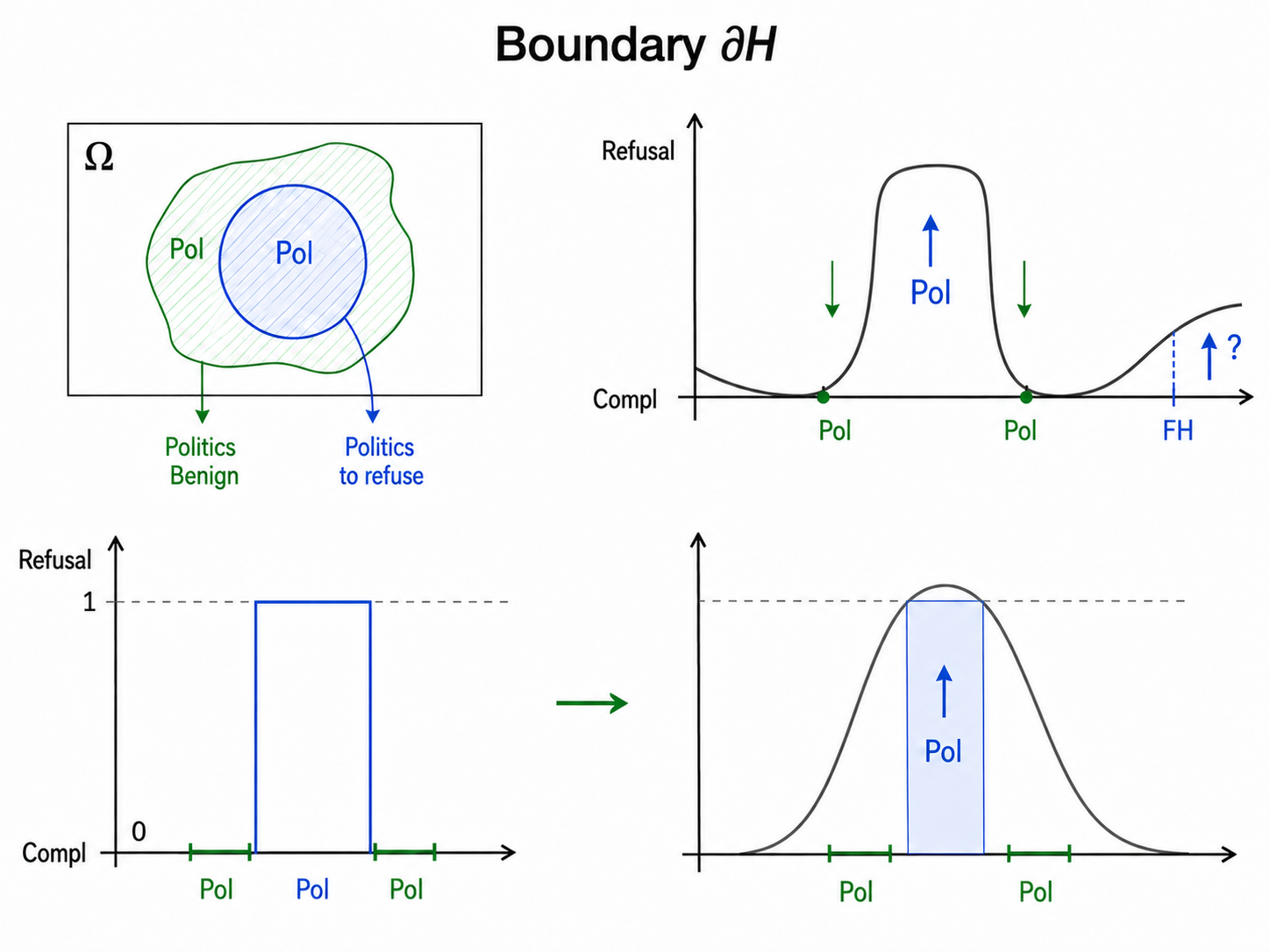
Hugging Face's insights come at a time when AI models are increasingly scrutinized for their outputs, especially concerning potentially harmful or sensitive topics. The organization argues that a blanket refusal to engage with certain subjects can lead to an incomplete understanding of those topics, which may ultimately hinder the model's effectiveness. Instead, they advocate for a more selective approach, where specific aspects of a topic can be filtered out without dismissing the entire subject. This perspective is crucial for developers and researchers who are tasked with creating AI systems that are both safe and informative, striking a balance between ethical considerations and practical utility.
Key facts
| Field | Detail |
|---|---|
| Organization | Hugging Face |
| Topic | AI safety and selective topic refusal |
| Approach | Advocates for selective filtering rather than blanket refusals |
| Implications | Affects model training and user interaction |
| Focus | Balancing ethical considerations with practical utility |
| Community Impact | Influences developers and researchers in AI ethics |
The discussion surrounding AI safety is not new; however, the approach to handling sensitive topics has evolved significantly. Historically, many AI models have employed a broad-brush strategy, refusing entire topics to avoid the risk of generating harmful content. This method, while well-intentioned, often leads to a lack of depth in the model's understanding and can create gaps in knowledge that users may encounter. For instance, if a model is trained to avoid all discussions around mental health due to potential risks, it may fail to provide valuable support or information to users seeking help.
Hugging Face's perspective aligns with a growing recognition in the AI community that context matters. The nuances of a topic should be considered when determining how to handle it in training datasets. This is particularly relevant in fields like healthcare, where the implications of misinformation can be severe. By allowing for a more granular approach to topic refusal, AI models can be better equipped to provide accurate and relevant information while still adhering to safety protocols.
How to read the numbers
The numbers presented in Hugging Face's analysis indicate a strong emphasis on topic coverage and user engagement, suggesting that models trained with a selective refusal strategy can maintain a high level of interaction while ensuring ethical compliance. The scores reflect a balance between providing comprehensive information and adhering to safety standards, which is crucial for the development of responsible AI systems. This approach not only enhances user experience but also fosters trust in AI technologies.
Practical takeaways
- Consider implementing selective topic refusal strategies in AI training to enhance model effectiveness.
- Engage with community feedback to identify sensitive topics that require nuanced handling.
- Regularly evaluate the impact of topic refusal on user interactions and information accuracy.
- Stay informed about evolving best practices in AI ethics to ensure responsible model development.
Looking ahead, the challenge remains for AI developers to implement these nuanced strategies effectively. As AI systems continue to evolve, the need for a balanced approach to topic refusal will become increasingly important. The ongoing dialogue within the AI community, as exemplified by Hugging Face's insights, will play a pivotal role in shaping how these technologies are developed and deployed, ensuring they serve users responsibly while also providing valuable information.
Source: Hugging Face Blog · Read original →
Discussion
Comment here after signing in, or share the story to continue the conversation elsewhere.
Instagram & TikTok: copy the link and paste into a Story, Reel, or post caption.
Log in or create an account to comment — Google / GitHub / X when those providers are configured.
No comments yet — start the thread.