

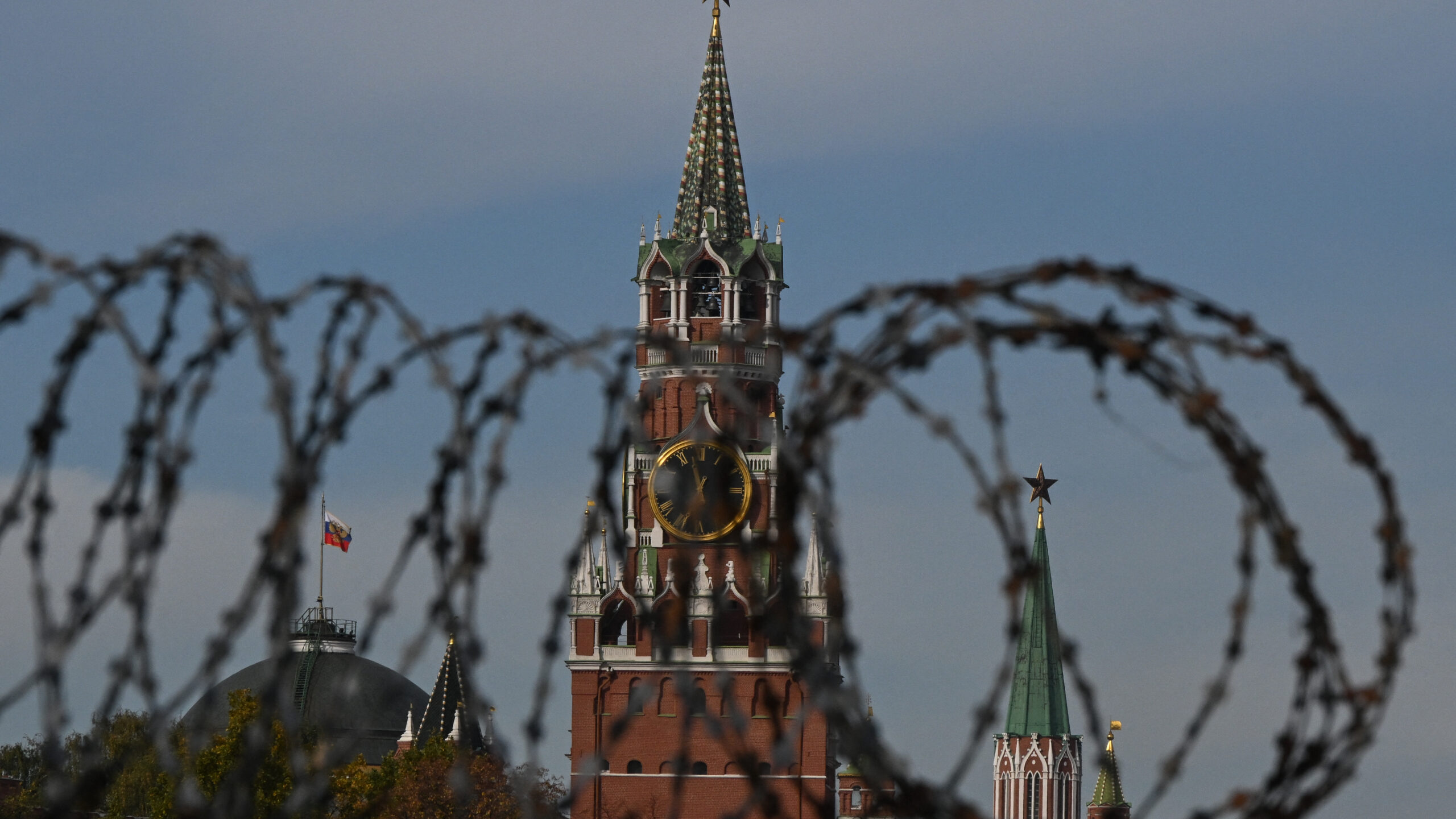
Russia was not ready for the data center war it started with Ukraine
Russia's centralized digital economy faces vulnerabilities amid escalating data center conflicts with Ukraine, as warned by local bloggers.
“As Russia's centralized digital economy faces unprecedented vulnerabilities, the need for a decentralized approach has never been more urgent.”
Key takeaways
- Russia's digital economy is highly centralized, making it vulnerable to cyberattacks.
- Ukrainian cyber operations are proving to be highly effective against Russian infrastructure.
- Russian bloggers are advocating for a shift towards decentralization in digital systems.
- The conflict reflects broader trends in cyber warfare observed in previous geopolitical tensions.
The ongoing conflict between Russia and Ukraine has extended beyond traditional warfare, entering the realm of digital infrastructure and data management. Recent reports indicate that Russia's reliance on a hyper-centralized digital economy has left it particularly vulnerable in the face of Ukraine's strategic cyber operations. Russian bloggers and analysts have raised alarms about the implications of this centralized approach, suggesting that it could lead to significant disruptions in the country's digital landscape. As Ukraine continues to leverage its technological capabilities in the conflict, the vulnerabilities of Russia's digital infrastructure are becoming increasingly apparent.
In the wake of these developments, the Russian government has been scrambling to bolster its cyber defenses and enhance its data center capabilities. However, the rapid pace of technological advancements and the sophistication of Ukrainian cyber tactics pose significant challenges. The situation has prompted discussions among Russian tech experts and bloggers about the need for a more decentralized approach to digital infrastructure, which could mitigate some of the risks associated with centralized systems. This shift in perspective reflects a growing recognition of the importance of resilience in the face of cyber threats.
Key facts
| Field | Detail |
|---|---|
| Conflict | Ongoing war between Russia and Ukraine, impacting digital infrastructure |
| Vulnerability | Russia's centralized digital economy is at risk due to cyber operations |
| Response | Russian government is enhancing cyber defenses and data center capabilities |
| Expert Opinions | Russian bloggers emphasize the need for decentralization in digital systems |
| Strategic Shift | Ukraine is leveraging technology to counter Russian advances |
Who's involved
Several key players are involved in this evolving situation. The Russian government is actively working to strengthen its cyber defenses, while Ukrainian tech experts are utilizing advanced cyber tactics to disrupt Russian operations. Additionally, various Russian bloggers and analysts are contributing to the discourse surrounding the vulnerabilities of Russia's digital economy.
The conflict has also drawn attention from international cybersecurity firms that monitor the situation and provide insights into the evolving landscape. These firms are analyzing the effectiveness of both Russian and Ukrainian cyber strategies, offering a broader perspective on the implications for global cybersecurity.
The current landscape of digital warfare is not entirely new; it reflects a broader trend observed in recent conflicts where cyber capabilities play a crucial role. The 2007 cyberattacks on Estonia and the 2015 cyberattacks on Ukraine's power grid serve as precedents that highlight the potential for digital infrastructure to be targeted during geopolitical conflicts. In both cases, the vulnerabilities of centralized systems were exploited, leading to significant disruptions. The lessons learned from these incidents are now being revisited as the Russia-Ukraine conflict unfolds.
As the war progresses, the Russian government's attempts to fortify its digital defenses have been met with mixed results. While there have been efforts to enhance cybersecurity measures, the centralized nature of Russia's digital economy remains a significant concern. This centralization creates a single point of failure, making it easier for adversaries to launch targeted attacks that can cripple essential services and infrastructure.
How to read the numbers
| Benchmark | Status |
|---|---|
| Cybersecurity readiness | Moderate |
| Data center resilience | Low |
| Decentralization efforts | Limited |
| Ukrainian cyber operations | Highly effective |
| Russian government response | Reactive |
What you can do with it
- Evaluate your own infrastructure: Organizations should assess their digital infrastructure for vulnerabilities and consider decentralization strategies to enhance resilience.
- Stay informed: Keep up with developments in cybersecurity and digital warfare to understand emerging threats and best practices.
- Collaborate with experts: Engage with cybersecurity professionals to develop robust strategies that can withstand potential cyberattacks.
- Invest in technology: Explore advanced technologies that can improve data security and operational resilience in the face of evolving threats.
What we're watching
As the conflict continues, we are closely monitoring the effectiveness of Ukraine's cyber operations and the Russian government's response. The potential for further escalation in cyber warfare raises important questions about the future of digital infrastructure in both countries. Additionally, the ongoing discussions among Russian bloggers about decentralization could signal a shift in strategy that may impact the broader landscape of cybersecurity.
Looking ahead, the implications of this digital conflict extend beyond the immediate war. The vulnerabilities exposed in Russia's centralized digital economy may prompt a reevaluation of digital strategies in other nations as well. As countries around the world grapple with the realities of cyber warfare, the lessons learned from the Russia-Ukraine conflict could shape future approaches to cybersecurity and digital infrastructure development. The need for resilience and adaptability in the face of cyber threats has never been more critical, and the outcomes of this conflict may serve as a blueprint for future digital strategies globally.
Source: Ars Technica - AI · Read original →
Instagram & TikTok: copy the link or quote and paste into a Story, Reel, or caption.
Digest
AI news by email
Weekly Friday briefings plus midweek notes when models or research drop. Sources included — unsubscribe anytime.
Discussion
Comment here after signing in, or share the story to continue the conversation elsewhere.
Instagram & TikTok: copy the link and paste into a Story, Reel, or caption.
Log in or create an account to comment — Google / GitHub / X when those providers are configured.
No comments yet — start the thread.


