

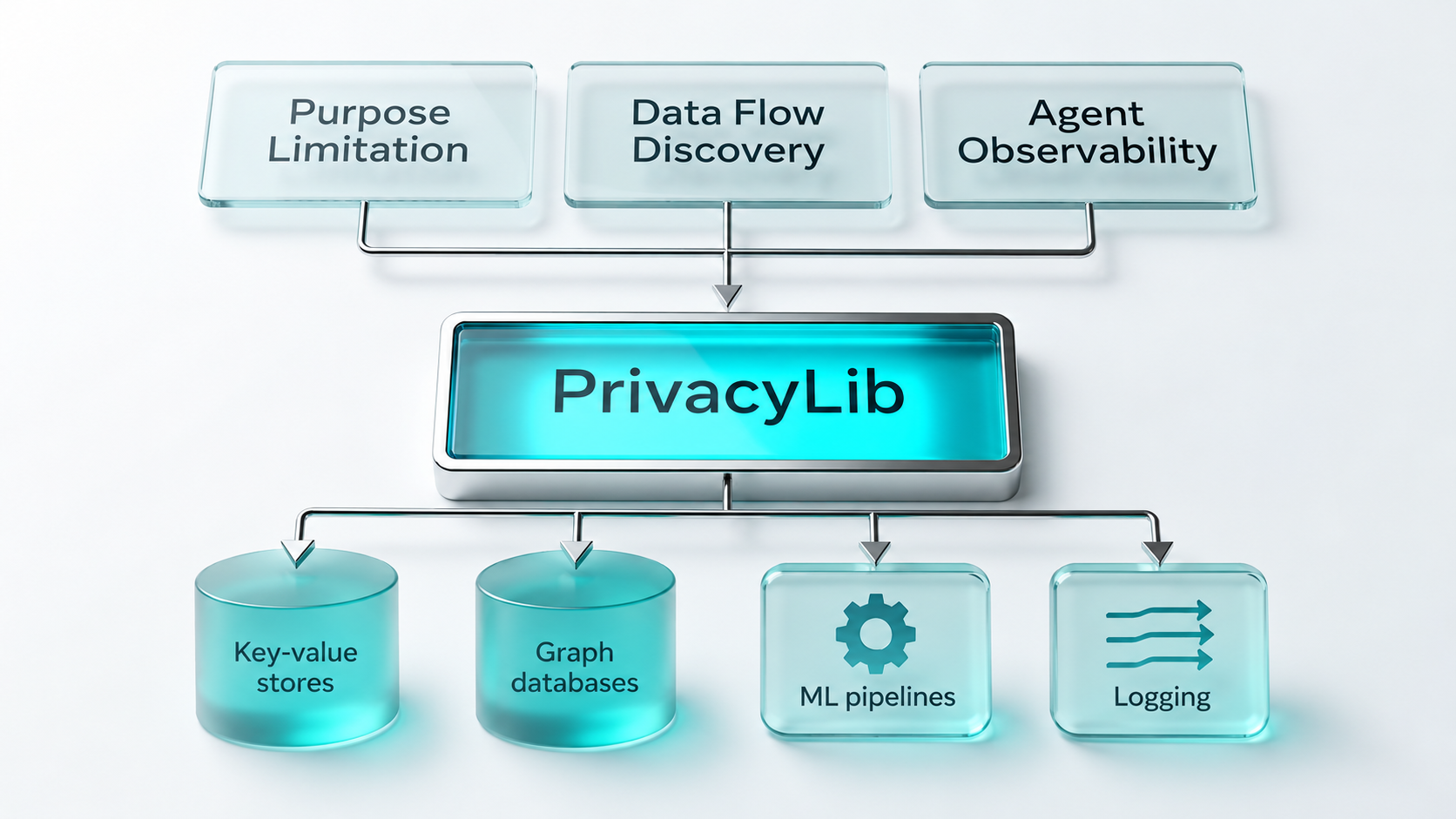
PrivacyLib: Privacy Controls at the Data Access Boundary
Meta introduces PrivacyLib, a unified library to enhance privacy controls across its data processing systems.
“With PrivacyLib, Meta aims to unify privacy enforcement across its diverse systems, potentially setting a new industry standard for data protection.”
Key takeaways
- PrivacyLib is a new library designed to enhance privacy controls within Meta's data processing systems.
- The initiative is part of Meta's broader Privacy Aware Infrastructure strategy.
- Historically, privacy requirements were enforced separately across different systems, leading to inefficiencies.
- PrivacyLib aims to streamline compliance with privacy regulations and improve user trust.
- The development of PrivacyLib reflects the growing importance of data privacy in the tech industry.
Meta has unveiled PrivacyLib, a groundbreaking initiative aimed at reinforcing privacy controls at the data access boundary within its expansive data processing ecosystem. This development is part of Meta's broader Privacy Aware Infrastructure (PAI) strategy, which seeks to ensure that privacy requirements are consistently upheld as data traverses various systems. Historically, when a new privacy requirement emerged, it necessitated the implementation of separate enforcement logic across multiple systems, leading to inefficiencies and potential vulnerabilities. PrivacyLib aims to streamline this process by providing a common library that can be integrated into different systems, thereby enhancing the overall privacy posture of Meta's operations.
The introduction of PrivacyLib comes at a time when data privacy has become a paramount concern for both users and regulators. With increasing scrutiny on how tech giants handle personal data, Meta's proactive approach to privacy management is a significant step towards addressing these concerns. The library is designed to be flexible and adaptable, allowing it to meet the diverse privacy needs of various applications and services within Meta's ecosystem. By centralizing privacy controls, Meta hopes to not only improve compliance with existing regulations but also to foster greater trust among its users.
Key facts
| Field | Detail |
|---|---|
| Initiative | PrivacyLib |
| Parent Organization | Meta Platforms, Inc. |
| Purpose | Enhance privacy controls at data access boundary |
| Component of | Privacy Aware Infrastructure (PAI) |
| Historical Issue | Separate enforcement logic for each system |
| Solution | Common library for unified enforcement |
| Target Users | Meta's various applications and services |
| Regulatory Context | Increasing scrutiny on data privacy |
| Expected Outcome | Improved compliance and user trust |
| Implementation Status | Ongoing development and integration |
Who's involved
Meta Platforms, Inc. is the primary organization behind PrivacyLib. The initiative is part of a larger effort to enhance privacy across its various applications, including Facebook, Instagram, and WhatsApp. The engineering and research teams at Meta are actively involved in the development and implementation of this library, ensuring that it meets the diverse needs of the company's vast user base.
The introduction of PrivacyLib is a response to the evolving landscape of data privacy regulations and user expectations. In recent years, there has been a significant shift towards more stringent privacy laws, such as the General Data Protection Regulation (GDPR) in Europe and the California Consumer Privacy Act (CCPA) in the United States. These regulations have placed greater emphasis on the need for companies to implement robust privacy controls, and Meta's initiative reflects its commitment to complying with these standards.
Historically, Meta has faced challenges in managing privacy across its various platforms. Each application operated with its own set of privacy controls, leading to inconsistencies and potential gaps in data protection. PrivacyLib aims to address these issues by providing a centralized framework that can be applied across all of Meta's services. This approach not only simplifies the implementation of privacy requirements but also enhances the overall security of user data.
The development of PrivacyLib is particularly significant in light of recent high-profile data breaches and privacy scandals that have plagued the tech industry. As users become more aware of their rights and the importance of data protection, companies like Meta are under increasing pressure to demonstrate their commitment to privacy. By adopting a unified approach to privacy controls, Meta is positioning itself as a leader in the field of data protection.
How to read the numbers
While specific performance metrics for PrivacyLib have not yet been released, the initiative is expected to have a substantial impact on Meta's privacy compliance efforts. The following table outlines some anticipated benchmarks that could be relevant as PrivacyLib is rolled out:
| Benchmark | Expected Impact |
|---|---|
| Compliance Rate | Improved across all applications |
| User Trust Score | Increase in user confidence |
| Data Breach Incidents | Reduction in occurrences |
| Enforcement Efficiency | Streamlined across systems |
| Integration Time | Decreased for new privacy requirements |
What you can do with it
- Integrate PrivacyLib into existing Meta applications to enhance privacy controls.
- Utilize the common library to streamline compliance with new privacy regulations.
- Monitor the effectiveness of PrivacyLib in improving user trust and data protection.
- Collaborate with Meta's engineering teams to provide feedback on the library's functionality and performance.
What we're watching
As PrivacyLib continues to be developed and integrated into Meta's systems, stakeholders will be closely monitoring its effectiveness in improving privacy compliance and user trust. An important milestone will be the library's first major deployment across Meta's applications, which will provide insights into its real-world performance and impact. Additionally, the response from regulators and privacy advocates will be crucial in determining the long-term success of this initiative.
Looking ahead, the implementation of PrivacyLib represents a significant shift in how Meta approaches data privacy. By centralizing privacy controls, the company aims to not only meet regulatory requirements but also to set a new standard for privacy management in the tech industry. As the landscape of data privacy continues to evolve, the success of PrivacyLib may serve as a model for other organizations seeking to enhance their privacy practices. The ongoing development and refinement of this library will be critical in shaping the future of privacy at Meta and beyond.
Source: Meta Engineering — AI Research · Read original →
Instagram & TikTok: copy the link or quote and paste into a Story, Reel, or caption.
Digest
AI news by email
Weekly Friday briefings plus midweek notes when models or research drop. Sources included — unsubscribe anytime.
Discussion
Comment here after signing in, or share the story to continue the conversation elsewhere.
Instagram & TikTok: copy the link and paste into a Story, Reel, or caption.
Log in or create an account to comment — Google / GitHub / X when those providers are configured.
No comments yet — start the thread.


