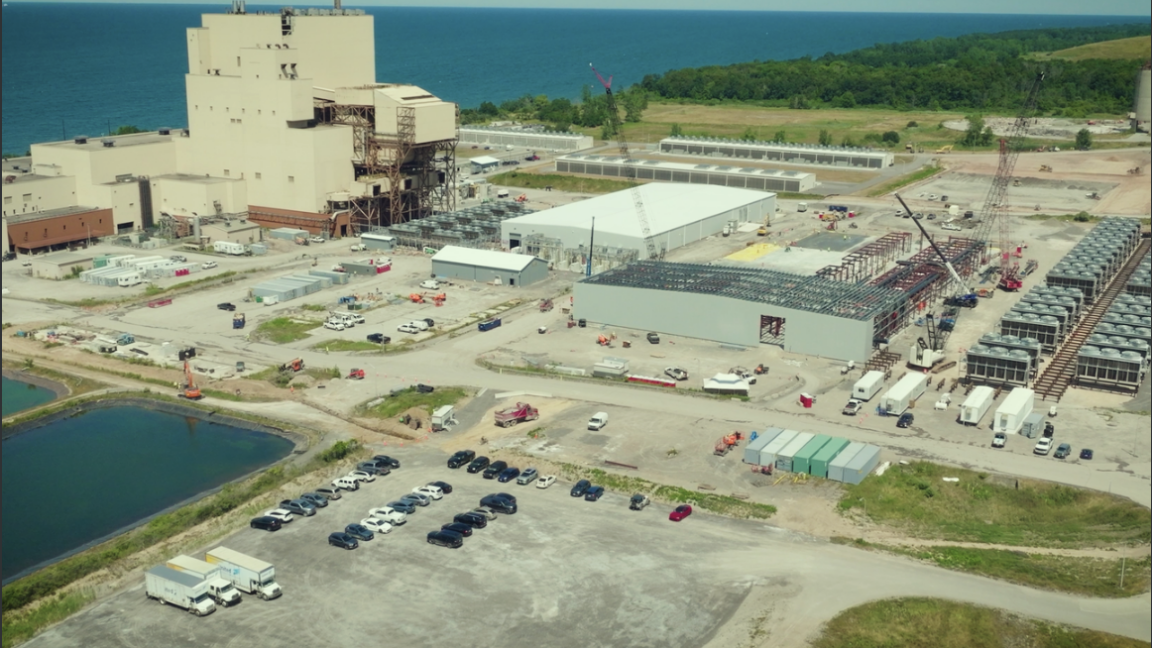
OpenAI’s response to the Department of Energy on AI infrastructure
OpenAI stresses the need for robust AI infrastructure to maintain the US's competitive advantage in the global AI landscape.
OpenAI has formally responded to the Department of Energy (DOE), underscoring the critical role that AI infrastructure plays in maintaining the United States' competitive edge in artificial intelligence. The organization articulated that a strong foundation in AI infrastructure is not just beneficial but essential for the development and deployment of advanced AI technologies. This response comes at a time when the global race for AI supremacy is intensifying, with nations investing heavily in their own AI capabilities. OpenAI's insights aim to guide policy decisions that could shape the future of AI in the U.S.
In its communication, OpenAI outlined several strategies to enhance the country's AI capabilities, emphasizing the need for a collaborative approach between government entities and the private sector. The organization believes that fostering partnerships can lead to more effective resource allocation and innovation in AI technologies. OpenAI's emphasis on collaboration reflects a growing recognition that the complexities of AI development require a concerted effort across various stakeholders, including academic institutions, tech companies, and government agencies.
Key facts
| Field | Detail |
|---|---|
| Organization | OpenAI |
| Government Agency | Department of Energy (DOE) |
| Focus Area | AI infrastructure development |
| Proposed Approach | Collaboration between government and industry |
| Competitive Edge | Importance of robust AI infrastructure |
The conversation around AI infrastructure is not new, but it has gained urgency as advancements in AI technologies continue to accelerate. Previous initiatives, such as the National AI Initiative Act of 2020, aimed to bolster the U.S. position in AI by promoting research and development. However, OpenAI's recent response highlights a more immediate need for a strategic framework that addresses both current challenges and future opportunities in AI infrastructure. The organization’s proactive stance suggests that without significant investment and innovation in this area, the U.S. risks falling behind other nations that are rapidly advancing their AI capabilities.
Looking ahead, the implications of OpenAI's recommendations could lead to significant changes in how AI projects are funded and executed in the U.S. The emphasis on collaboration may pave the way for new public-private partnerships that could enhance the efficiency and effectiveness of AI research. As the DOE considers OpenAI's input, the outcomes of this dialogue could set the stage for a more robust AI ecosystem that not only supports technological advancements but also addresses ethical and regulatory challenges associated with AI deployment.
Source: OpenAI News · Read original →
Discussion
Comment here after signing in, or share the story to continue the conversation elsewhere.
Instagram & TikTok: copy the link and paste into a Story, Reel, or post caption.
Log in or create an account to comment — Google / GitHub / X when those providers are configured.
No comments yet — start the thread.