Open Preference Dataset for Text-to-Image Generation by the 🤗 Community
Hugging Face introduces a new dataset to enhance text-to-image generation with user preferences.
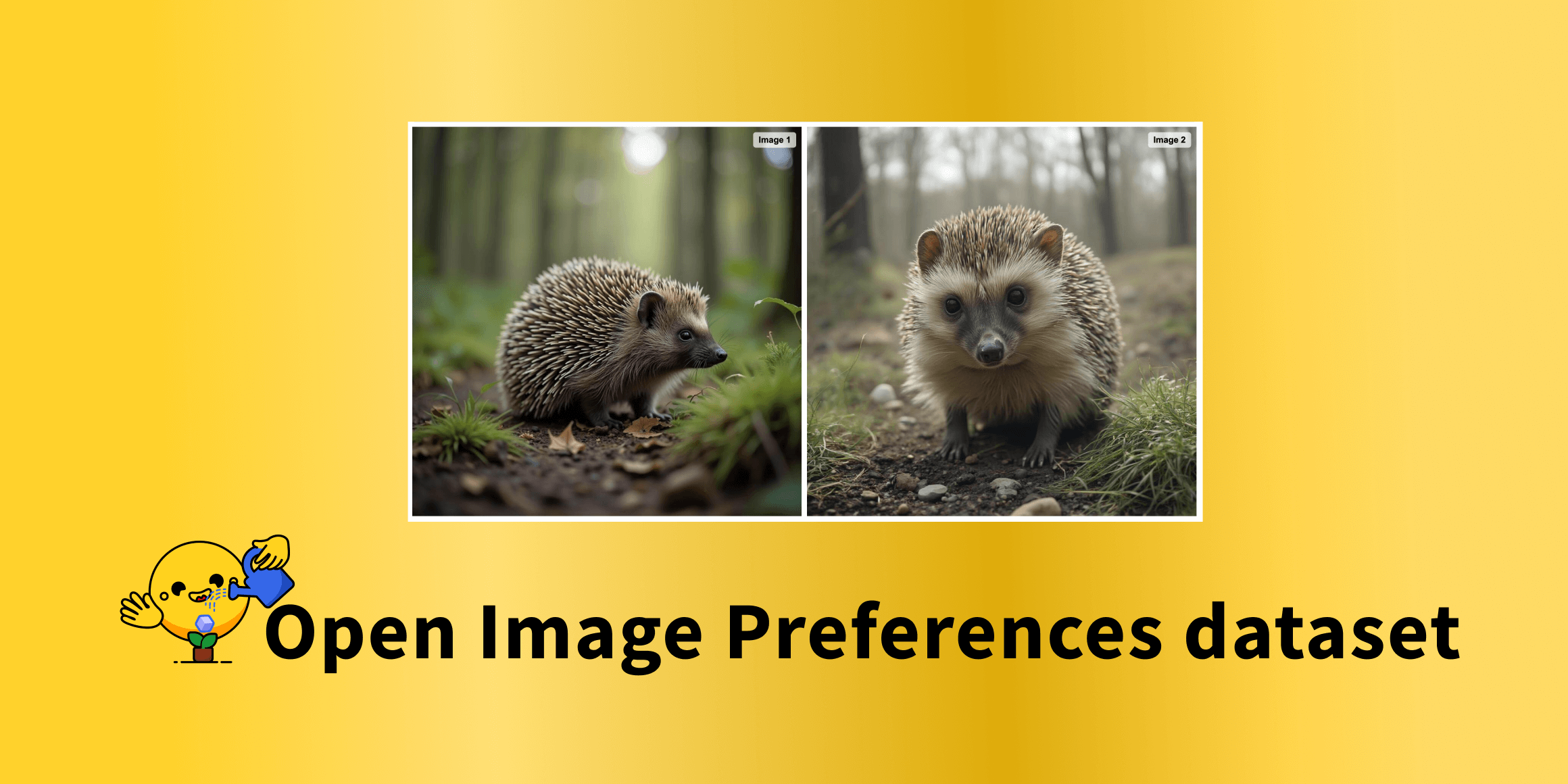
Hugging Face has unveiled the Open Preference Dataset, a significant addition to the realm of text-to-image generation. This dataset comprises over 10,000 human preference pairs, meticulously curated to enhance the alignment of AI models with user intent. By leveraging this dataset, developers can refine their models to produce images that resonate more closely with what users envision, ultimately elevating the quality and relevance of AI-generated visuals.
The Open Preference Dataset is a collaborative effort by the Hugging Face community, reflecting the growing trend of community-driven contributions in AI development. As text-to-image generation continues to gain traction, the need for models that can accurately interpret and translate user prompts into visual representations has become increasingly critical. This dataset aims to bridge the gap between user expectations and model outputs, fostering a more intuitive interaction between humans and AI.
Key facts
| Field | Detail |
|---|---|
| Dataset Size | Over 10,000 human preference pairs |
| Purpose | Improve model alignment with user intent |
| Application Areas | Various text-to-image generation tasks |
| Community Involvement | Developed by the Hugging Face community |
| Release Date | Recently announced |
The introduction of the Open Preference Dataset comes at a time when text-to-image generation technologies are rapidly evolving. Models like OpenAI's DALL-E and Stability AI's Stable Diffusion have set high standards for what users expect from AI-generated images. However, these models often struggle with accurately capturing nuanced user preferences, leading to outputs that may not fully satisfy user expectations. By incorporating human preference data, the Open Preference Dataset aims to address this challenge, enabling models to learn from real user feedback and improve their performance over time.
As the AI landscape shifts towards more user-centric designs, datasets like this one are becoming essential tools for developers. They provide the necessary training data that allows models to better understand and interpret the subtleties of human preferences. The Open Preference Dataset not only enhances the capabilities of existing models but also sets a precedent for future datasets that prioritize user alignment in AI-generated content.
Looking ahead, the impact of the Open Preference Dataset will depend on how effectively developers integrate it into their training processes. The real test will be whether models trained on this dataset can consistently produce images that align with user expectations across a diverse range of prompts. As the community continues to explore the potential of this dataset, it may pave the way for more sophisticated and user-friendly text-to-image generation tools in the near future.
Source: Hugging Face Blog · Read original →
Discussion
Comment here after signing in, or share the story to continue the conversation elsewhere.
Instagram & TikTok: copy the link and paste into a Story, Reel, or post caption.
Log in or create an account to comment — Google / GitHub / X when those providers are configured.
No comments yet — start the thread.