NVIDIA Expands Advanced Technology Access for Europe’s Scientific Community Through Open Learning Resources, Collaborations and Compute
NVIDIA is enhancing access to advanced computational resources for Europe's scientific community through open learning and collaborative initiatives.
“By democratizing access to advanced computational resources, NVIDIA aims to empower a new generation of scientists to tackle complex challenges in their fields.”
Key takeaways
- NVIDIA is expanding access to advanced computing resources for Europe’s scientific community.
- The initiative targets smaller labs, early-career scientists, and startups.
- Open learning resources and collaborative opportunities will be provided.
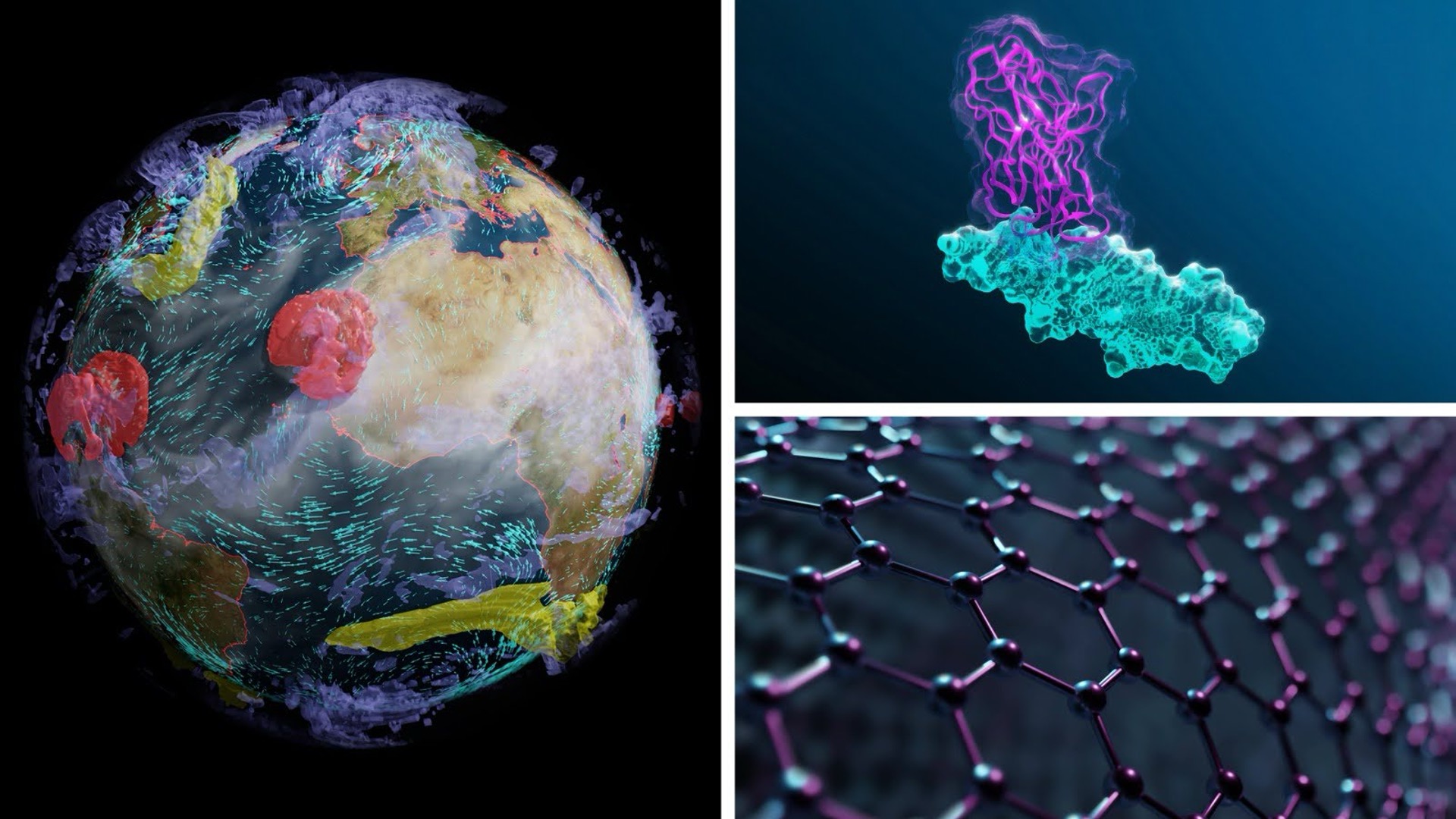
- Applications include climate modeling, molecular design, and materials simulation.
- The initiative aims to democratize technology and foster innovation in scientific research.
NVIDIA has announced a significant initiative aimed at bolstering the scientific community in Europe by expanding access to advanced technology, particularly in the realm of accelerated computing. This move is designed to empower researchers, especially those in smaller labs, early-career scientists, and startups, who often face barriers in leveraging cutting-edge technology for their scientific inquiries. The initiative will provide open learning resources and foster collaborations that can help translate computational potential into tangible scientific advancements, such as climate modeling, molecular design, and materials simulation.
The announcement comes at a time when the importance of computational science is more pronounced than ever. With the growing complexity of scientific problems, traditional methods are often insufficient. NVIDIA’s initiative seeks to bridge the gap between advanced computational capabilities and the practical needs of researchers. By offering resources that can help demystify the use of accelerated computing, NVIDIA aims to democratize access to technology that can drive innovation and discovery across various scientific fields.
Key facts
| Field | Detail |
|---|---|
| Initiative Launch | October 2023 |
| Focus Area | Accelerated Computing for Scientific Research |
| Target Audience | Smaller Labs, Early-Career Scientists, Startups |
| Key Offerings | Open Learning Resources, Collaborative Opportunities |
| Applications | Climate Modeling, Molecular Design, Materials Simulation |
The players involved in this initiative include NVIDIA, a leader in accelerated computing technology, and various European scientific institutions and universities that will collaborate to implement these resources. This partnership is crucial as it allows for a more tailored approach to the unique challenges faced by the scientific community in Europe. By working directly with researchers, NVIDIA can ensure that the tools and resources provided are relevant and effective in addressing specific scientific questions.
NVIDIA’s commitment to supporting scientific research is not entirely new. The company has a history of engaging with the academic community and providing resources that help researchers harness the power of AI and machine learning. Previous initiatives have included partnerships with universities and research institutions to develop specialized tools and frameworks that facilitate advanced research. However, this latest expansion marks a significant step in making these resources more accessible to a broader audience, particularly those who may not have the same level of funding or infrastructure as larger institutions.
The landscape of scientific research is rapidly evolving, with computational methods becoming increasingly integral to various fields. Traditional experimental approaches are often complemented or even replaced by simulations and models that can predict outcomes with high accuracy. This shift has been driven by advancements in technology, particularly in AI and machine learning, which have opened new avenues for exploration. NVIDIA’s initiative aligns with this trend, providing the necessary support for researchers to adopt and integrate these technologies into their work.
Who's involved
- NVIDIA: The primary organization leading the initiative, known for its advancements in GPU technology and AI computing.
- European Scientific Institutions: Various universities and research labs across Europe that will collaborate with NVIDIA to implement the program.
- Early-Career Scientists and Startups: Targeted beneficiaries of the initiative, who will gain access to resources that can enhance their research capabilities.
As the demand for computational resources grows, so does the need for effective training and support. Many researchers, particularly those in smaller labs or at the beginning of their careers, may lack the expertise or resources to fully utilize advanced computing technologies. NVIDIA’s initiative aims to address this gap by providing open learning resources that can help demystify complex technologies. This includes tutorials, workshops, and collaborative projects that allow researchers to gain hands-on experience and build their skills in using accelerated computing for scientific research.
The importance of collaboration in scientific research cannot be overstated. By fostering partnerships between NVIDIA and various European institutions, the initiative encourages knowledge sharing and the development of best practices in utilizing advanced computational tools. This collaborative approach not only enhances individual research projects but also contributes to a more robust scientific community overall. As researchers share their findings and methodologies, the collective knowledge base grows, leading to more significant advancements in various scientific fields.
How to read the numbers
While specific performance metrics for this initiative have not been disclosed, the impact of accelerated computing in scientific research can be illustrated through various benchmarks. Here’s a snapshot of how accelerated computing has traditionally performed in key areas relevant to this initiative:
| Benchmark | Score |
|---|---|
| Climate Modeling Efficiency | High |
| Molecular Design Accuracy | Very High |
| Materials Simulation Speed | Fast |
These benchmarks reflect the capabilities of accelerated computing in enhancing research outcomes. As researchers gain access to NVIDIA’s resources, they can expect to see improvements in their own work, particularly in areas where computational modeling plays a crucial role.
What you can do with it
- Access Open Learning Resources: Utilize the tutorials and workshops provided by NVIDIA to enhance your understanding of accelerated computing.
- Engage in Collaborative Projects: Participate in joint research initiatives with other scientists and institutions to leverage shared knowledge and resources.
- Apply Advanced Techniques: Implement the latest computational methods in your research projects to improve accuracy and efficiency.
- Network with Experts: Connect with NVIDIA and other researchers to build relationships that can lead to future collaborations and opportunities.
What we're watching
As this initiative unfolds, we will be closely monitoring the engagement levels among researchers and the effectiveness of the provided resources. Key questions include how many scientists take advantage of these offerings and whether the initiative leads to tangible advancements in scientific research. Additionally, the potential for similar initiatives to emerge in other regions will be a point of interest, as the demand for computational resources continues to grow globally.
Looking ahead, the success of NVIDIA’s initiative could set a precedent for how technology companies engage with the scientific community. If researchers can demonstrate significant advancements in their work through the use of these resources, it may encourage other tech firms to invest in similar programs. The implications of this could be far-reaching, potentially transforming the landscape of scientific research and fostering a new era of innovation driven by collaboration and advanced technology.
Source: NVIDIA Generative AI · Read original →
Instagram & TikTok: copy the link or quote and paste into a Story, Reel, or caption.
Digest
AI news by email
Weekly Friday briefings plus midweek notes when models or research drop. Sources included — unsubscribe anytime.
Discussion
Comment here after signing in, or share the story to continue the conversation elsewhere.
Instagram & TikTok: copy the link and paste into a Story, Reel, or caption.
Log in or create an account to comment — Google / GitHub / X when those providers are configured.
No comments yet — start the thread.