NVIDIA Advances Agentic Security for Media, From European Public Service Broadcasting to Global Content Production
NVIDIA partners with the European Broadcasting Union to enhance media security through advanced generative AI technologies.
“The partnership aims to provide broadcasters with the confidence to produce content without fear of manipulation or misrepresentation, addressing the growing threat of deepfakes.”
Key takeaways
- NVIDIA partners with the EBU to enhance media security through generative AI.
- The collaboration includes major players like Adobe and Bertelsmann.
- Focus on combating deepfakes and ensuring content integrity.
- The initiative promotes transparency and efficiency in media production.
- Future developments will assess audience trust and ethical implications.
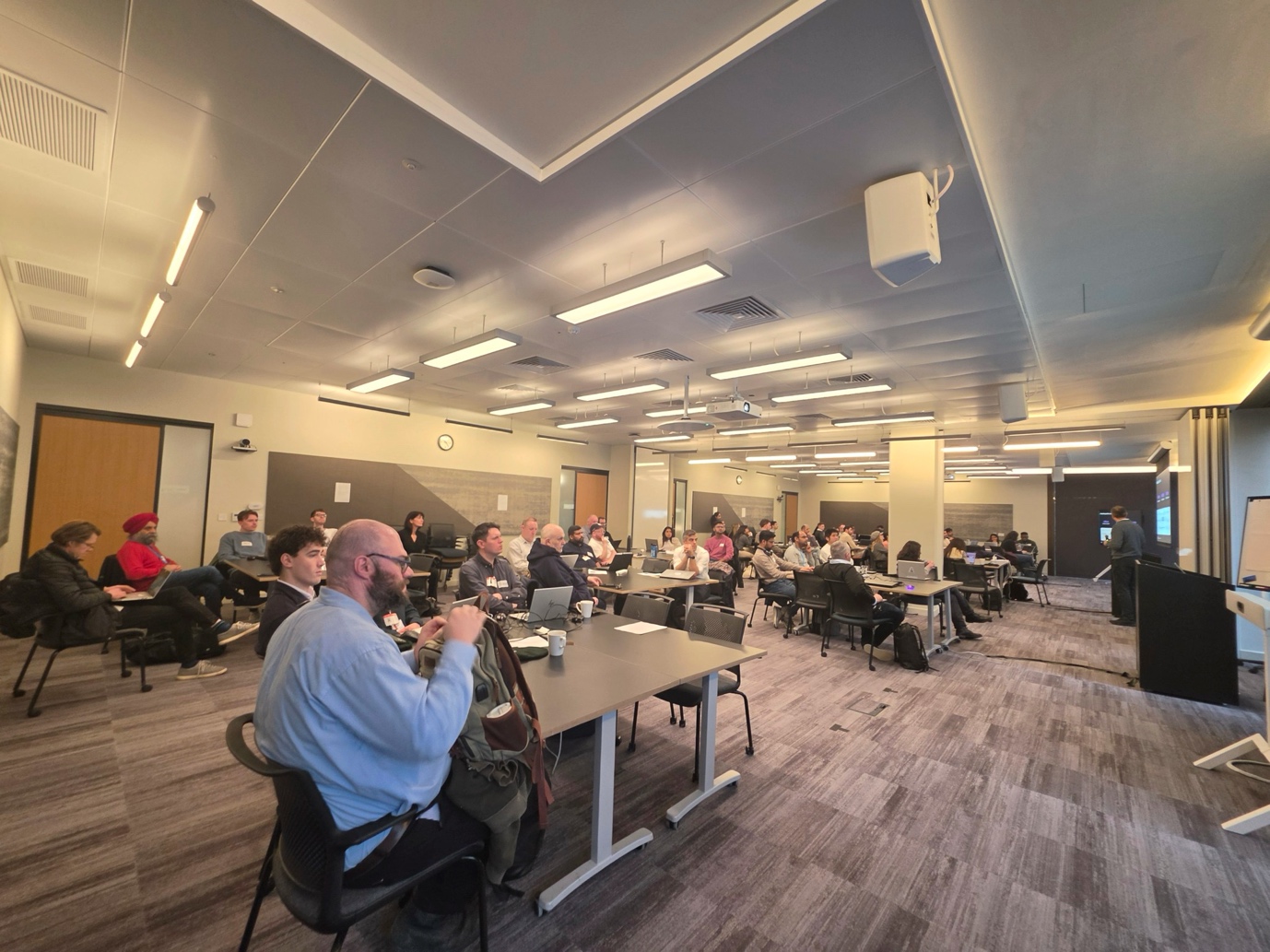
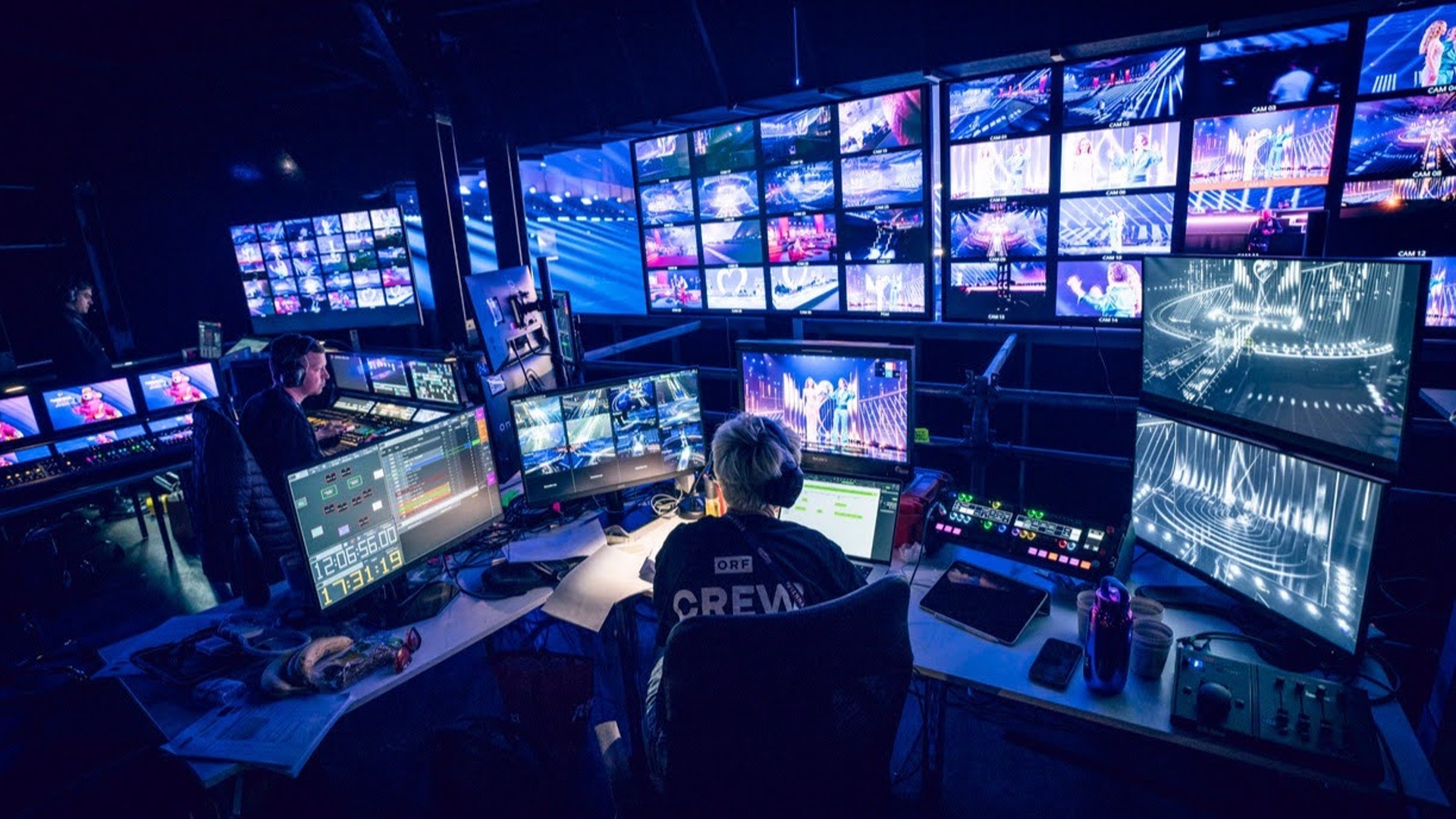
NVIDIA has made significant strides in the realm of intelligent media by announcing a collaboration with the European Broadcasting Union (EBU) during a creative industry event in Berlin. This partnership aims to enhance agentic security within media production, focusing on the integration of cloud technologies and open models. The event, co-hosted by industry giants such as Adobe, Bertelsmann, and UFA, showcased the latest advancements in generative AI, emphasizing the importance of secure and efficient content production in an increasingly digital world.
The collaboration between NVIDIA and the EBU is particularly noteworthy as it seeks to expand the EBU's sovereign framework, which is designed to ensure that public service broadcasters can operate securely and independently in the digital landscape. By leveraging NVIDIA's cutting-edge AI technologies, the EBU aims to provide its members with the tools necessary to navigate the complexities of modern media production while maintaining high standards of security and integrity. This initiative comes at a time when the media industry is facing unprecedented challenges, including the rise of deepfakes and other forms of manipulated content that threaten the credibility of news and information.
Key facts
| Field | Detail |
|---|---|
| Event | Creative industry event in Berlin |
| Date | Today |
| Key Partners | NVIDIA, EBU, Adobe, Bertelsmann, UFA |
| Focus | Agentic security in media production |
| Technology | Cloud, open models, generative AI |
| Objective | Enhance security and efficiency in content production |
| Threats Addressed | Deepfakes, manipulated content |
| Framework | EBU's sovereign framework |
| Industry Context | Increasing digital challenges in media |
| Future Goals | Secure independent operation for broadcasters |
The players involved in this initiative are not just limited to NVIDIA and the EBU. The collaboration also includes Adobe, a leader in creative software, and Bertelsmann, a global media company. UFA, a prominent production company in Germany, is also part of this coalition. Together, these organizations represent a formidable alliance aimed at addressing the pressing issues facing the media industry today. Their combined expertise in technology, media production, and broadcasting positions them well to tackle the challenges posed by the digital age.
Historically, the media industry has grappled with various forms of content manipulation, but the advent of generative AI has introduced new complexities. Deepfakes, for instance, have become a significant concern, as they can be used to create realistic but false representations of individuals, potentially damaging reputations and undermining trust in media. The EBU's sovereign framework is designed to combat these threats by providing broadcasters with the tools and resources needed to ensure the authenticity of their content. By integrating NVIDIA's advanced AI capabilities, the EBU aims to bolster this framework, making it more robust against emerging threats.
The collaboration also marks a shift towards a more open and collaborative approach in the media industry. By utilizing open models and cloud technologies, the EBU and NVIDIA are promoting transparency and accessibility in media production. This is particularly important as the industry moves towards a more decentralized model, where content can be produced and distributed from various locations around the world. The integration of these technologies will not only enhance security but also improve the efficiency of content production, allowing broadcasters to respond more quickly to changing audience demands.
Who's involved
- NVIDIA: A leader in AI and graphics processing technology, providing the tools for generative AI.
- European Broadcasting Union (EBU): A coalition of public service broadcasters aiming to enhance media security and integrity.
- Adobe: A major player in creative software, contributing to the tools used in media production.
- Bertelsmann: A global media company involved in various aspects of content creation and distribution.
- UFA: A prominent German production company, part of the collaborative effort to enhance media security.
As the media landscape evolves, the need for secure and trustworthy content becomes increasingly critical. The partnership between NVIDIA and the EBU represents a proactive approach to addressing these challenges. By focusing on agentic security, the initiative aims to provide broadcasters with the confidence to produce and distribute content without fear of manipulation or misrepresentation. This is particularly relevant in an era where misinformation can spread rapidly, eroding public trust in media institutions.
The integration of generative AI into media production processes also opens up new possibilities for creativity and innovation. With the ability to generate realistic content quickly and efficiently, broadcasters can experiment with new formats and storytelling techniques. However, this also raises ethical questions about the use of AI in media. As the line between reality and fiction becomes increasingly blurred, it is essential for the industry to establish guidelines and standards to ensure that AI-generated content is used responsibly.
How to read the numbers
| Benchmark | Score |
|---|---|
| AI Content Generation Efficiency | High |
| Security Framework Robustness | Enhanced |
| Deepfake Detection Capability | Improved |
| Collaboration Impact on Production Speed | Significant |
| Audience Trust Levels | To be assessed |
What you can do with it
- Explore NVIDIA's generative AI tools for content creation.
- Implement EBU's sovereign framework within your broadcasting operations.
- Stay informed about the latest developments in AI and media security.
- Collaborate with industry partners to enhance content integrity.
What we're watching
As this partnership unfolds, the media industry will be closely monitoring the effectiveness of the new security measures implemented by the EBU and NVIDIA. Key questions remain regarding how these advancements will impact audience trust and the overall integrity of media content. Additionally, the response from other industry players to this collaboration will be crucial in shaping the future of media security.
Looking ahead, the implications of this partnership extend beyond just security. The integration of generative AI into media production processes could lead to a new era of creativity, where broadcasters can push the boundaries of storytelling. However, the industry must remain vigilant in addressing the ethical concerns that arise from the use of AI technologies. As the landscape continues to evolve, the collaboration between NVIDIA and the EBU may serve as a model for future initiatives aimed at enhancing media security and integrity.
Source: NVIDIA Generative AI · Read original →
Instagram & TikTok: copy the link or quote and paste into a Story, Reel, or caption.
Digest
AI news by email
Weekly Friday briefings plus midweek notes when models or research drop. Sources included — unsubscribe anytime.
Discussion
Comment here after signing in, or share the story to continue the conversation elsewhere.
Instagram & TikTok: copy the link and paste into a Story, Reel, or caption.
Log in or create an account to comment — Google / GitHub / X when those providers are configured.
No comments yet — start the thread.