

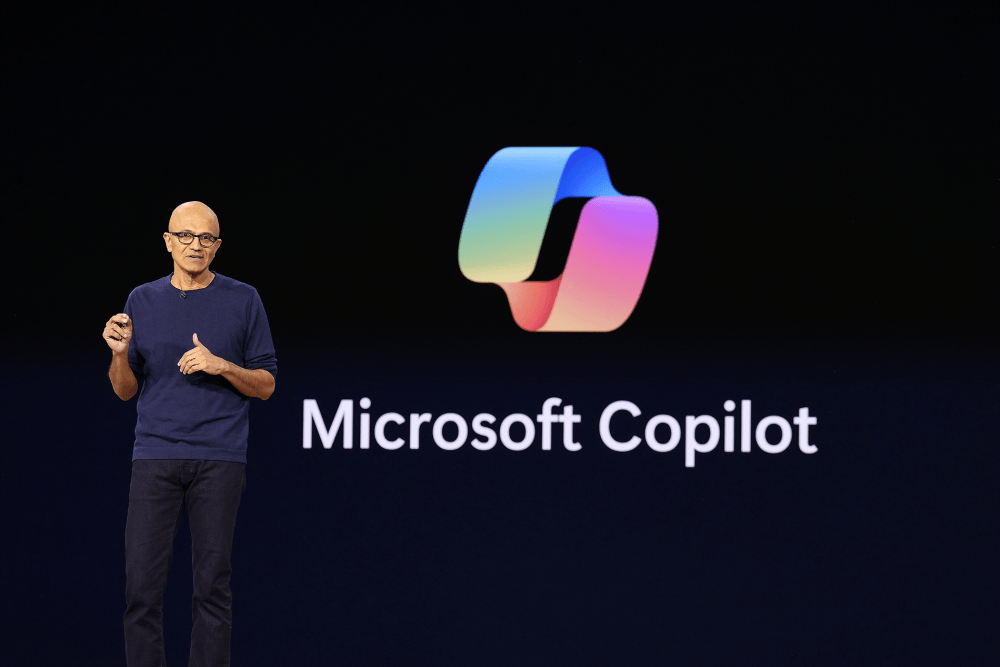
Microsoft’s Satya Nadella says AI models need an ‘emergency brake’
Microsoft's CEO emphasizes the urgent need for an 'emergency brake' on AI models to reassess trust and safety frameworks.
“Nadella's urgent call for an 'emergency brake' reflects a growing consensus that AI development must prioritize ethical considerations and public trust.”
Key takeaways
- Satya Nadella emphasizes the need for an urgent reassessment of AI trust architecture.
- The call for an 'emergency brake' indicates rising concerns over AI's ethical implications.
- Microsoft is at the forefront of AI development, influencing industry standards.
- Stakeholders are increasingly demanding transparency and accountability in AI technologies.
Microsoft CEO Satya Nadella has called for an urgent reassessment of the trust architecture surrounding artificial intelligence models. In a candid Saturday morning post, Nadella articulated the growing concerns regarding the rapid deployment of AI technologies without sufficient oversight and accountability. He emphasized that while AI holds transformative potential, it also poses significant risks that must be managed proactively. The call for an 'emergency brake' reflects a broader sentiment within the tech industry that the pace of AI development may be outstripping the necessary safeguards to ensure ethical and responsible use.
Nadella's remarks come at a time when AI technologies are being integrated into various sectors, from healthcare to finance, raising questions about their reliability and ethical implications. The rapid advancement of AI has led to a proliferation of models that can generate text, images, and even code, but this has also resulted in increased scrutiny from regulators and the public alike. Nadella's call to action is not just a reflection of internal company concerns but resonates with a growing chorus of voices advocating for a more measured approach to AI deployment.
Key facts
| Field | Detail |
|---|---|
| Who | Satya Nadella, CEO of Microsoft |
| What | Urgent call for reassessment of AI trust architecture |
| When | Saturday morning post, date unspecified |
| Where | Microsoft corporate communications |
| Status | Ongoing discussions about AI safety and ethics |
| Industry Impact | Growing scrutiny from regulators and stakeholders |
| Public Sentiment | Increasing concern over AI's ethical implications and reliability |
| Proposed Action | Implementing an 'emergency brake' on AI model deployment |
| Future Considerations | Need for robust frameworks to ensure ethical AI deployment |
| Broader Context | Aligns with global discussions on AI governance and regulation |
Who's involved
The key player in this narrative is Satya Nadella, the CEO of Microsoft, a company at the forefront of AI development. Microsoft has been heavily investing in AI technologies, including partnerships with OpenAI and the integration of AI capabilities into its products like Azure and Office. Other stakeholders in this conversation include regulators, industry leaders, and the broader tech community, all of whom are grappling with the implications of AI's rapid evolution.
The urgency of Nadella's message is underscored by recent incidents involving AI-generated misinformation and ethical concerns surrounding data privacy. These incidents have prompted calls for more stringent regulations and oversight mechanisms. As AI technologies become increasingly embedded in everyday life, the need for a comprehensive trust architecture has never been more critical.
Historically, the tech industry has often prioritized innovation over regulation, leading to a cycle of rapid development followed by reactive measures in the face of public outcry. This pattern has been observed in various technology sectors, from social media to data privacy, and AI is no exception. As AI models become more sophisticated, the potential for misuse and unintended consequences grows, necessitating a shift in how companies approach AI governance.
In the past, discussions around AI ethics have often been relegated to academic circles or niche conferences. However, Nadella's post signifies a turning point where industry leaders are beginning to recognize the need for a collective effort to establish ethical guidelines and frameworks. This shift is crucial as it aligns with the increasing demands from consumers and regulators for transparency and accountability in AI technologies.
How to read the numbers
While Nadella's call to action does not provide specific metrics or benchmarks, the implications of his message can be understood through the lens of industry trends and regulatory developments. The following table outlines key areas of focus that stakeholders should consider when evaluating AI models and their deployment:
| Focus Area | Importance Level |
|---|---|
| Ethical Guidelines | High |
| Regulatory Compliance | High |
| Public Trust | Medium |
| Transparency | High |
| Accountability | High |
What you can do with it
For developers and organizations working with AI, Nadella's message serves as a call to action to prioritize ethical considerations in their projects. Here are some practical takeaways:
- Implement Ethical Guidelines: Establish clear ethical guidelines for AI development and deployment within your organization.
- Conduct Risk Assessments: Regularly assess the risks associated with AI models, including potential biases and ethical implications.
- Engage with Stakeholders: Foster open dialogue with regulators, consumers, and other stakeholders to understand their concerns and expectations regarding AI technologies.
- Prioritize Transparency: Ensure that AI systems are transparent in their operations, allowing users to understand how decisions are made.
- Build Accountability Mechanisms: Develop accountability frameworks that outline responsibilities and consequences for AI-related decisions and actions.
What we're watching
As the conversation around AI governance continues to evolve, one key area to watch is the response from regulators and policymakers. The potential for new regulations aimed at AI technologies is growing, and how companies adapt to these changes will be crucial. Additionally, the development of industry-wide standards for ethical AI practices will be a significant milestone in ensuring responsible AI deployment.
Looking ahead, the challenge will be balancing innovation with the necessary safeguards to protect users and society at large. The need for an 'emergency brake' may prompt companies to rethink their approach to AI development, potentially leading to a more cautious and responsible trajectory for the industry. As Nadella's message resonates across the tech landscape, it may very well shape the future of AI governance and ethical considerations for years to come.
Source: TechCrunch - AI · Read original →
Instagram & TikTok: copy the link or quote and paste into a Story, Reel, or caption.
Digest
AI news by email
Weekly Friday briefings plus midweek notes when models or research drop. Sources included — unsubscribe anytime.
Discussion
Comment here after signing in, or share the story to continue the conversation elsewhere.
Instagram & TikTok: copy the link and paste into a Story, Reel, or caption.
Log in or create an account to comment — Google / GitHub / X when those providers are configured.
No comments yet — start the thread.


