

Microsoft president says UK is best placed to drive AI regulation
Microsoft's Brad Smith argues that the UK is uniquely positioned to lead in AI regulation amid growing concerns over the technology's oversight.
“Smith's assertion that household items face stricter oversight than AI underscores the urgent need for a robust regulatory framework in the tech industry.”
Key takeaways
- Microsoft President Brad Smith advocates for urgent AI regulation during a conference in London.
- He compares the oversight of AI to that of household items like milk and washing machines.
- The UK is positioned to lead in establishing a global regulatory framework for AI.
- Growing concerns over AI ethics and safety highlight the need for structured oversight.
- Industry leaders are increasingly recognizing the importance of proactive regulatory measures.
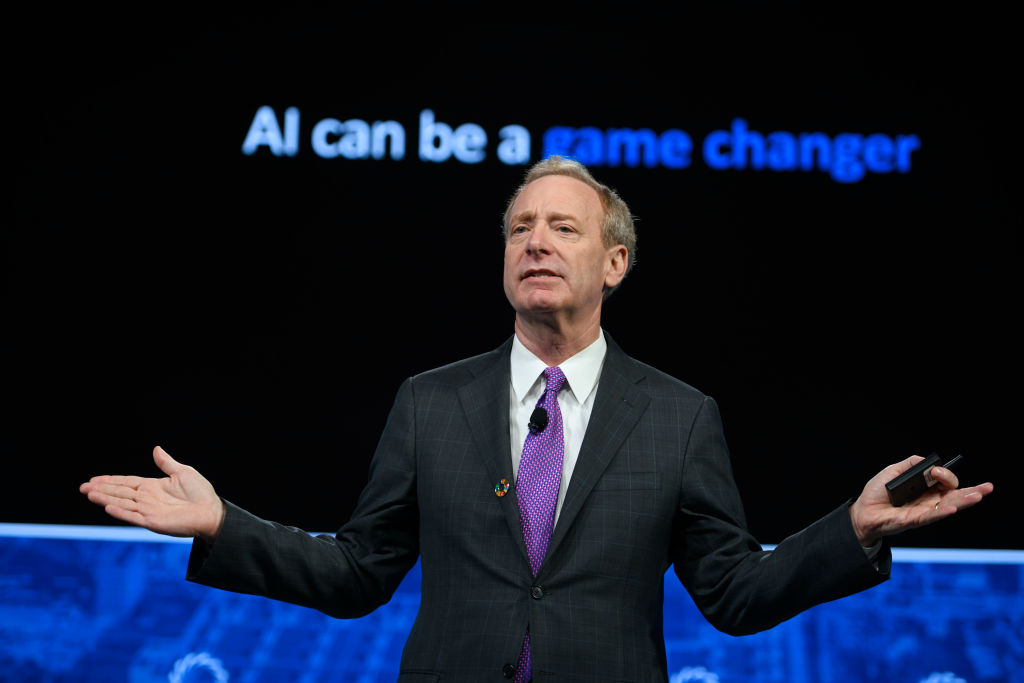
In a recent address, Microsoft President Brad Smith emphasized the pressing need for comprehensive AI regulation, highlighting that even mundane household items like milk and washing machines are subject to more stringent oversight than the rapidly evolving AI sector. This statement comes in the wake of increasing scrutiny over AI technologies, particularly regarding their ethical implications, safety, and potential societal impacts. Smith's remarks were made during a conference in London, where he outlined a vision for a regulatory framework that could serve as a global model, positioning the UK as a leader in this critical area.
Smith's call for regulation is not merely a reflection of corporate responsibility; it stems from a broader recognition of the challenges posed by AI technologies. As AI systems become more integrated into everyday life, the risks associated with their deployment are becoming more pronounced. From biased algorithms to privacy concerns, the need for a structured regulatory approach is more urgent than ever. Smith argued that the UK, with its established legal frameworks and commitment to innovation, is ideally suited to spearhead these efforts. He pointed to the UK's existing regulatory bodies and their experience in managing complex technological landscapes as key advantages.
Key facts
| Field | Detail |
|---|---|
| Speaker | Brad Smith, President of Microsoft |
| Event | AI regulation conference in London |
| Main Argument | AI needs more regulation than household items |
| Comparison | Milk and washing machines have more oversight than AI |
| Proposed Role | UK as a leader in AI regulation |
| Industry Context | Growing concerns over AI ethics and safety |
| Regulatory Framework | Urgent need for structured oversight |
| Global Implication | UK could set a global standard for AI regulation |
| Current Status | Ongoing discussions on AI governance |
| Future Outlook | Potential for international collaboration on AI policies |
Who's involved
Key players in this discussion include Microsoft, a leading technology company advocating for responsible AI practices, and various UK government officials and regulatory bodies focused on technology and innovation. Additionally, other tech giants and stakeholders in the AI industry are likely to be involved as the conversation around regulation evolves.
The urgency of AI regulation is underscored by recent developments in the field. For instance, the rapid advancement of generative AI technologies has raised ethical questions about their use in content creation, misinformation, and even deepfakes. Companies like OpenAI and Google have also been vocal about the need for regulatory frameworks that can keep pace with technological advancements. Smith's comments reflect a growing consensus among industry leaders that proactive measures are necessary to mitigate risks associated with AI deployment.
Historically, the tech industry has often operated in a relatively unregulated environment, allowing for rapid innovation but also leading to significant societal challenges. The emergence of social media platforms, for example, has highlighted the consequences of insufficient oversight, including issues related to data privacy, misinformation, and user safety. In contrast, sectors like pharmaceuticals and aviation have long been subject to rigorous regulatory scrutiny, ensuring public safety and ethical standards. Smith's comparison of AI to these industries serves to illustrate the disparity in oversight and the potential consequences of inaction.
How to read the numbers
While specific numerical benchmarks regarding AI regulation were not provided in Smith's address, the implications of his statements suggest a need for quantifiable metrics to assess the effectiveness of any future regulatory frameworks. For instance, potential benchmarks could include:
| Benchmark | Description |
|---|---|
| Compliance Rate | Percentage of AI companies adhering to regulations |
| Incident Reports | Number of reported AI-related incidents or ethical breaches |
| Public Trust Index | Survey results measuring public confidence in AI technologies |
| Regulatory Response Time | Average time taken to address AI-related complaints |
| Innovation Index | Rate of innovation in AI under regulatory frameworks |
These metrics could serve as a foundation for evaluating the impact of regulatory measures on the AI landscape.
What you can do with it
For builders and users in the AI space, several practical takeaways emerge from Smith's call for regulation:
- Stay Informed: Keep abreast of regulatory developments in the UK and globally, as these will impact AI deployment strategies.
- Engage with Policymakers: Participate in discussions and forums that shape AI regulations, ensuring that industry perspectives are represented.
- Adopt Ethical Practices: Implement ethical guidelines within your AI projects to align with anticipated regulatory standards.
- Prepare for Compliance: Develop frameworks within your organization to ensure compliance with emerging regulations, potentially avoiding legal pitfalls.
- Foster Transparency: Build transparency into AI systems to enhance public trust and facilitate smoother regulatory interactions.
What we're watching
As discussions around AI regulation continue to evolve, the next significant milestone will likely be the establishment of a formal regulatory framework in the UK. This could involve collaboration between government bodies, industry stakeholders, and academic institutions to create comprehensive guidelines that address the multifaceted challenges posed by AI technologies. Additionally, the international community will be watching closely to see if the UK can set a precedent that other nations might follow.
Looking ahead, the unresolved question remains: how will the balance between innovation and regulation be struck? As AI technologies continue to advance at a rapid pace, the challenge will be to create a regulatory environment that fosters innovation while ensuring public safety and ethical standards. The outcome of these discussions will have far-reaching implications for the future of AI and its role in society.
Source: TechCrunch - AI · Read original →
Instagram & TikTok: copy the link or quote and paste into a Story, Reel, or caption.
Digest
AI news by email
Weekly Friday briefings plus midweek notes when models or research drop. Sources included — unsubscribe anytime.
Discussion
Comment here after signing in, or share the story to continue the conversation elsewhere.
Instagram & TikTok: copy the link and paste into a Story, Reel, or caption.
Log in or create an account to comment — Google / GitHub / X when those providers are configured.
No comments yet — start the thread.


