How to Build an MCP Server with Gradio
Developers can now easily deploy AI models with Gradio's step-by-step guide for building an MCP server.
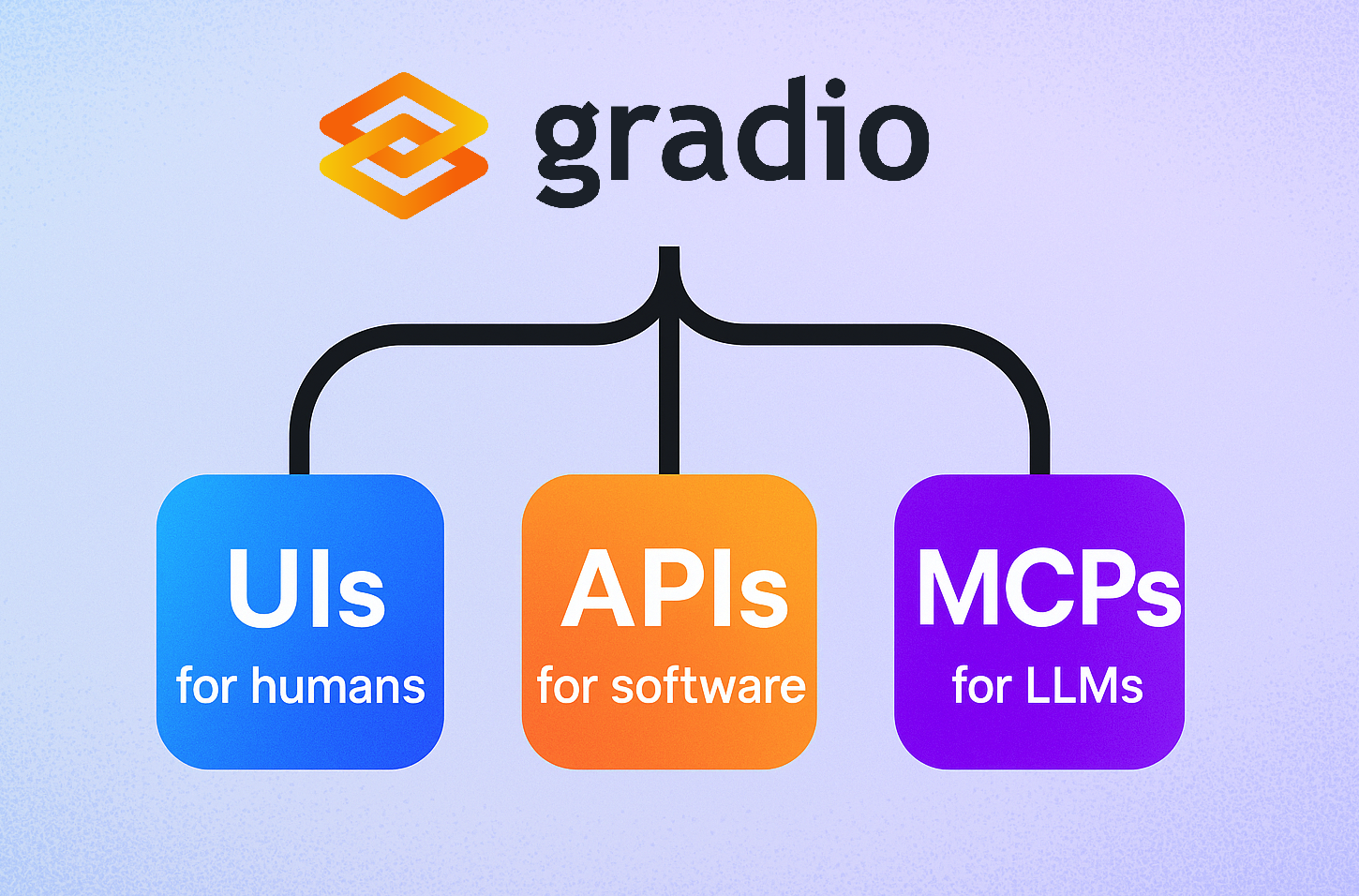
Hugging Face has released a comprehensive guide on how to build a Model Control Protocol (MCP) server using Gradio, a popular open-source library designed to simplify the creation of interactive machine learning applications. This guide aims to empower developers by providing them with the tools and knowledge necessary to deploy AI models in real-time, making it easier for them to showcase their work and gather user feedback. By leveraging Gradio's user-friendly interface, developers can create demos that allow users to interact with their models seamlessly, enhancing the overall user experience.
The MCP server plays a crucial role in the deployment of machine learning models, enabling real-time interactions between users and models. The guide outlines a step-by-step process, ensuring that even those with limited experience in setting up servers can follow along. This initiative reflects Hugging Face's commitment to making AI more accessible and usable for developers of all skill levels. By streamlining the deployment process, Hugging Face is not only simplifying the technical aspects but also encouraging innovation within the AI community.
Key facts
| Field | Detail |
|---|---|
| Guide Type | Step-by-step tutorial for building an MCP server |
| Tool Used | Gradio |
| Purpose | Facilitate real-time model deployment |
| Target Audience | Developers interested in AI applications |
| Accessibility | Designed for users with varying technical skills |
The significance of Gradio in the AI ecosystem cannot be overstated. It has emerged as a go-to solution for developers looking to create interactive demos without extensive coding knowledge. Gradio's intuitive interface allows users to build applications that can display model outputs, accept inputs, and visualize results in real-time. This capability is particularly valuable in educational settings, where instructors can demonstrate machine learning concepts interactively, or for researchers who wish to present their findings in an engaging manner.
Moreover, the introduction of MCP servers aligns with the growing demand for real-time AI applications across various industries. As businesses increasingly rely on AI for decision-making, having a robust deployment framework becomes essential. MCP servers enable developers to manage multiple models efficiently, ensuring that they can respond to user queries and interactions promptly. This is particularly important in environments where rapid feedback loops can significantly enhance the model's performance and user satisfaction.
Looking ahead, the adoption of Gradio for building MCP servers could lead to more widespread use of interactive AI applications. As developers become more familiar with the process, we may see an influx of innovative applications that leverage real-time model interactions. The guide from Hugging Face not only serves as a practical resource but also sets the stage for a new wave of creativity in AI deployment, as developers explore the full potential of their models in interactive settings.
Source: Hugging Face Blog · Read original →
Discussion
Comment here after signing in, or share the story to continue the conversation elsewhere.
Instagram & TikTok: copy the link and paste into a Story, Reel, or post caption.
Log in or create an account to comment — Google / GitHub / X when those providers are configured.
No comments yet — start the thread.