How Circle K accelerated DevOps incident triage to under 15 minutes with Amazon Bedrock
Circle K slashes incident triage time from an hour to under 15 minutes using Amazon Bedrock's innovative architecture.
Key takeaways
- Circle K reduced incident triage time from 45-60 minutes to under 15 minutes.
- The implementation involved Amazon Bedrock Flows and AgentCore.
- The new system allows for greater scalability and adaptability.
- Lessons learned include the importance of architecture and scaling challenges.
- The proactive adoption of AI positions Circle K as a leader in convenience retailing.
Circle K, a global leader in convenience retailing, has successfully transformed its DevOps incident triage process, reducing the time taken from a cumbersome 45-60 minutes to an impressive under 15 minutes. This remarkable achievement was made possible through the implementation of an agentic triage system built on Amazon Bedrock, a platform designed to enhance machine learning capabilities. The transition not only streamlined operations but also provided valuable insights into the architecture and processes involved in leveraging advanced AI tools for incident management.
The journey began with Circle K's DevOps team recognizing the inefficiencies in their incident triage process. The traditional method, which often involved manual assessments and multiple team consultations, was not only time-consuming but also prone to human error. With the increasing complexity of their IT infrastructure and the growing volume of incidents, it became clear that a more efficient solution was necessary. This led them to explore Amazon Bedrock, which offers a suite of tools designed to facilitate the development and deployment of machine learning models.
Key facts
| Field | Detail |
|---|---|
| Company | Circle K |
| Technology Used | Amazon Bedrock |
| Initial Triage Time | 45-60 minutes |
| New Triage Time | Under 15 minutes |
| Implementation Stages | Amazon Bedrock Flows, Amazon Bedrock AgentCore |
| Focus Area | DevOps incident management |
| Key Benefits | Reduced time, improved efficiency, scalability |
| Lessons Learned | Importance of architecture, scaling challenges |
| Deployment Date | Recent implementation |
| Team Involved | Circle K DevOps team |
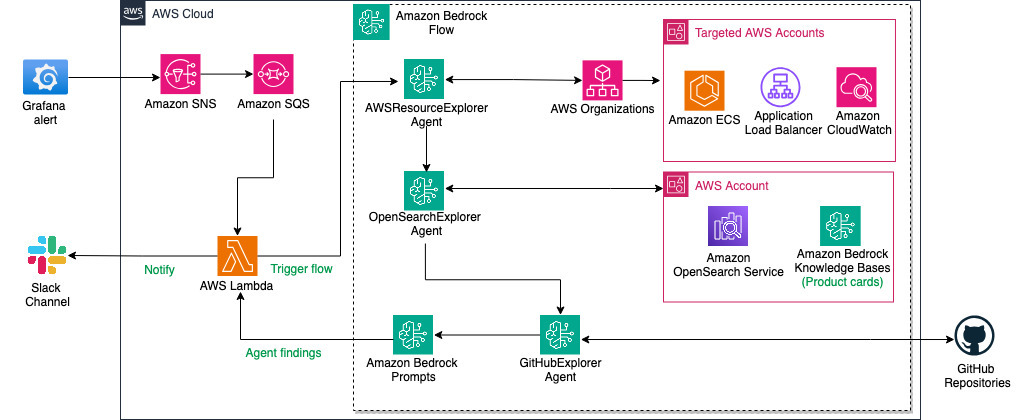
Circle K's DevOps team, which is responsible for maintaining the company's IT systems and ensuring smooth operations, played a crucial role in this transformation. The team initially implemented Amazon Bedrock Flows, which allowed them to automate various aspects of the incident triage process. This initial phase focused on creating a workflow that could intelligently categorize and prioritize incidents based on predefined criteria. By leveraging the capabilities of Amazon Bedrock, the team was able to significantly reduce the time spent on manual triage and improve response times.
Following the successful implementation of Flows, Circle K migrated to Amazon Bedrock AgentCore, which further enhanced their system's capabilities. AgentCore provided a more robust framework for building intelligent agents that could autonomously handle incident triage. This transition marked a significant milestone in their journey, as it allowed for greater scalability and adaptability to the evolving demands of their IT environment. The combination of these two technologies enabled Circle K to create a seamless incident management process that not only reduced response times but also improved overall service reliability.
To understand the significance of this achievement, it's essential to consider the broader context of incident management in the tech industry. Traditionally, incident triage has been a labor-intensive process, often requiring multiple personnel to assess and resolve issues. As organizations increasingly rely on complex IT systems, the need for rapid incident response has never been more critical. The ability to triage incidents in under 15 minutes not only enhances operational efficiency but also minimizes downtime, ultimately leading to better customer experiences and increased trust in the brand.
The advancements made by Circle K are not unique; many organizations are exploring similar solutions to address their incident management challenges. However, what sets Circle K apart is their proactive approach to adopting cutting-edge technologies like Amazon Bedrock. This willingness to innovate has positioned them as a leader in the convenience retail sector, demonstrating that even traditional industries can benefit from modern AI solutions.
How to read the numbers
| Benchmark | Score |
|---|---|
| Incident Triage Time (Before) | 60 minutes |
| Incident Triage Time (After) | 15 minutes |
| Automation Level | High |
| Team Size for Triage (Before) | 5-7 members |
| Team Size for Triage (After) | 2-3 members |
The practical implications of Circle K's implementation of Amazon Bedrock are significant for other businesses looking to enhance their incident management processes. For organizations facing similar challenges, the following takeaways can be gleaned from Circle K's experience:
What you can do with it
- Automate Incident Triage: Leverage Amazon Bedrock to create automated workflows that categorize and prioritize incidents based on predefined criteria.
- Implement Intelligent Agents: Use Amazon Bedrock AgentCore to build intelligent agents that can autonomously handle incident triage, reducing the need for manual intervention.
- Scale Operations: Design your incident management processes with scalability in mind, allowing for adjustments as your IT environment evolves.
- Learn from Implementation: Document lessons learned during the implementation process to refine your approach and avoid common pitfalls.
What we're watching
As Circle K continues to refine its incident management processes, the next steps will involve monitoring the performance of the new system and making adjustments as necessary. Key questions remain regarding the long-term scalability of the solution and how it will adapt to future technological advancements. Additionally, the potential for integrating other AI-driven tools into their operations could further enhance their efficiency and responsiveness.
Looking ahead, Circle K's commitment to leveraging advanced technologies like Amazon Bedrock positions them well for future growth. As they continue to innovate and streamline their operations, other companies in the retail sector may look to them as a model for successful digital transformation. The lessons learned from their experience could serve as a valuable roadmap for organizations seeking to enhance their incident management capabilities and improve overall service delivery.
Source: AWS Machine Learning · Read original →
Instagram & TikTok: copy the link and paste into a Story, Reel, or caption.
Digest
AI news by email
Weekly Friday briefings plus midweek notes when models or research drop. Sources included — unsubscribe anytime.
Discussion
Comment here after signing in, or share the story to continue the conversation elsewhere.
Instagram & TikTok: copy the link and paste into a Story, Reel, or caption.
Log in or create an account to comment — Google / GitHub / X when those providers are configured.
No comments yet — start the thread.