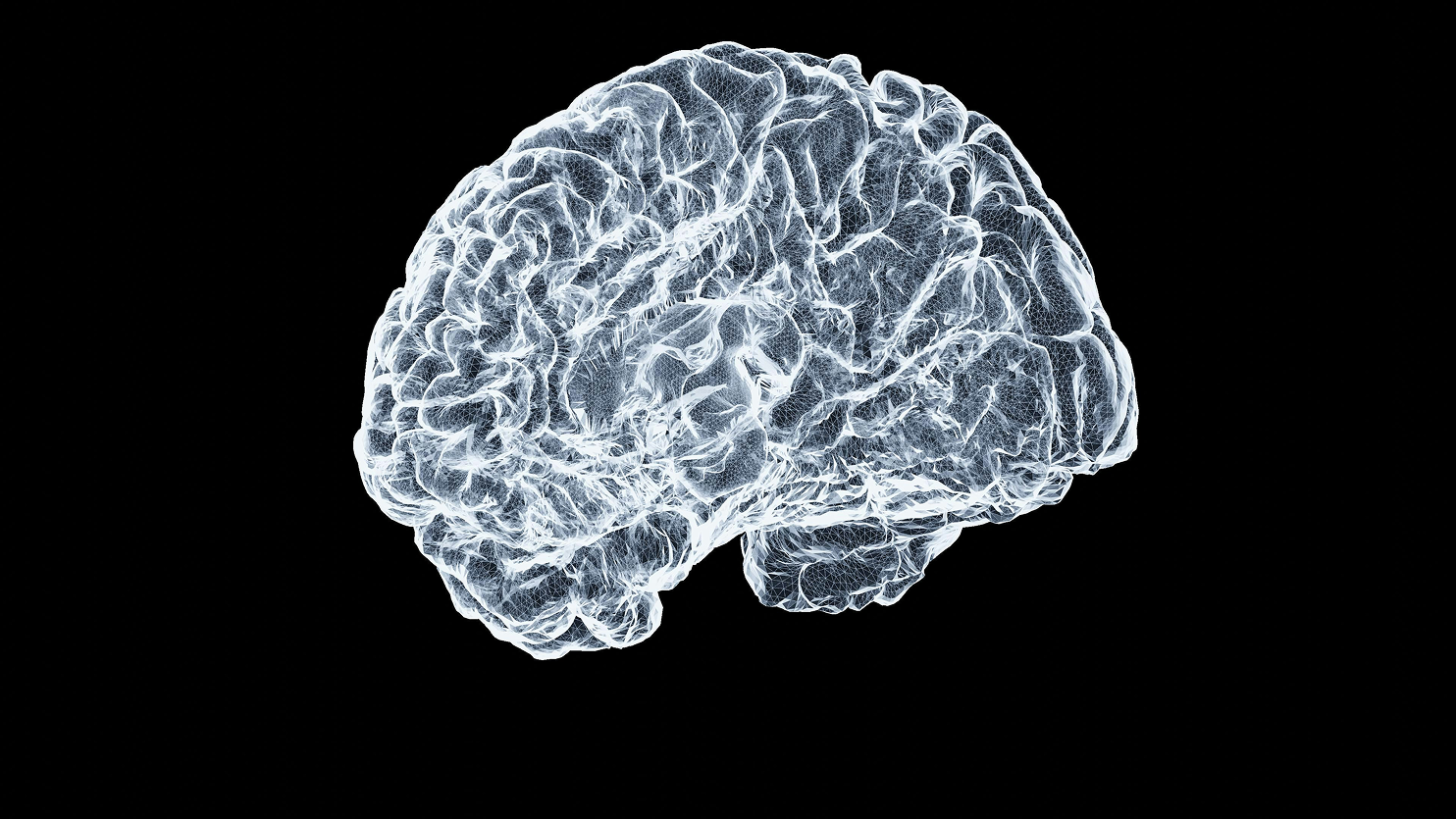
How AI Is Changing the Pace of Discovery for Millions Living With Dementia
AI is accelerating research efforts to combat dementia, addressing the overwhelming data challenges faced by scientists and caregivers.
“AI's ability to automate data analysis could drastically reduce the time researchers spend on processing information, allowing for faster breakthroughs in dementia treatment.”
Key takeaways
- AI is being leveraged to accelerate dementia research and improve data analysis.
- The Consortium for Biomedical Research and AI (CBRAI) is a key player in this initiative.
- Over 57 million people worldwide are living with dementia, highlighting the urgency for effective treatments.
- AI tools can enhance the accuracy of insights derived from complex datasets.
- Collaborative efforts between academia and technology firms are essential for advancing dementia research.
The global landscape of dementia research is undergoing a transformative shift, driven by advancements in artificial intelligence (AI). With approximately 57 million people living with dementia worldwide, the urgency for effective treatments and care strategies has never been more pressing. Researchers are grappling with an overwhelming amount of data generated from clinical trials, patient records, and biological studies. The Consortium for Biomedical Research and AI (CBRAI) is at the forefront of this movement, leveraging AI technologies to streamline data analysis and enhance the pace of discovery in dementia research.
The challenge of dementia is multifaceted, encompassing various forms such as Alzheimer's disease, vascular dementia, and Lewy body dementia, among others. Each type presents unique symptoms and progression patterns, complicating the research landscape. Traditional methods of data analysis often fall short due to the sheer volume of information and the complexity of the disease. AI offers a promising solution by automating data processing and identifying patterns that may not be immediately apparent to human researchers. As a result, researchers can focus their efforts on developing targeted therapies and improving patient care.
Key facts
| Field | Detail |
|---|---|
| Global dementia population | 57 million |
| Key organization | Consortium for Biomedical Research and AI (CBRAI) |
| Main challenge | Overwhelming data volume |
| AI application | Automating data analysis |
| Research focus | Accelerating discovery of treatments and care strategies |
The players involved in this initiative include a diverse array of stakeholders, ranging from academic institutions to private sector companies. The CBRAI collaborates with universities, healthcare providers, and technology firms to harness the power of AI in dementia research. Notable partners include leading universities with strong neuroscience programs and tech companies specializing in machine learning and data analytics. This collaborative approach aims to bridge the gap between data generation and actionable insights, ultimately benefiting those affected by dementia.
Historically, dementia research has been hindered by slow discovery rates and a lack of effective treatments. Traditional research methods often require extensive timeframes and resources, making it difficult to keep pace with the growing number of dementia cases. Previous breakthroughs in related fields, such as cancer research, have shown that AI can significantly enhance the speed and accuracy of data analysis. By applying similar methodologies to dementia research, scientists hope to unlock new avenues for understanding the disease and developing innovative therapies.
The players
- Consortium for Biomedical Research and AI (CBRAI)
- Various academic institutions
- Private sector technology companies
- Healthcare providers
AI's role in dementia research is not just about speed; it also involves improving the quality of insights derived from data. Machine learning algorithms can analyze vast datasets to identify correlations and potential biomarkers for dementia, which may lead to earlier diagnosis and more personalized treatment plans. For instance, AI can sift through genetic data, neuroimaging results, and clinical assessments to uncover patterns that suggest a predisposition to certain types of dementia. This capability could revolutionize how clinicians approach diagnosis and treatment, shifting from a one-size-fits-all model to a more tailored approach.
How to read the numbers
| Benchmark | Score |
|---|---|
| Data processing speed | High |
| Pattern recognition accuracy | High |
| Research collaboration growth | Increasing |
| Patient enrollment in studies | Expanding |
The practical implications of these advancements are profound. For researchers, AI tools can significantly reduce the time spent on data analysis, allowing them to focus on hypothesis generation and experimental design. For healthcare providers, the insights generated from AI-driven research can lead to better-informed clinical decisions and improved patient outcomes. Patients and their families stand to benefit from more effective treatments and a deeper understanding of the disease, ultimately enhancing their quality of life.
What you can do with it
- Explore AI-driven tools for data analysis in your research.
- Collaborate with organizations like CBRAI to access cutting-edge resources.
- Stay informed about emerging AI technologies that can aid in dementia research.
- Advocate for the integration of AI in clinical settings to improve patient care.
As this initiative progresses, several key questions remain. How will the integration of AI into dementia research evolve over the coming years? What regulatory challenges might arise as AI technologies become more prevalent in clinical settings? Furthermore, how can researchers ensure that AI tools are used ethically and responsibly, particularly when dealing with sensitive patient data? These questions will be critical as the field continues to advance.
Looking ahead, the potential for AI to reshape dementia research is immense. With ongoing collaborations and technological advancements, researchers are optimistic about uncovering new insights that could lead to breakthroughs in treatment and care. The integration of AI not only promises to accelerate the pace of discovery but also holds the potential to transform the entire landscape of dementia research, ultimately benefiting millions of individuals and families affected by this challenging disease.
Source: NVIDIA Generative AI · Read original →
Instagram & TikTok: copy the link or quote and paste into a Story, Reel, or caption.
Digest
AI news by email
Weekly Friday briefings plus midweek notes when models or research drop. Sources included — unsubscribe anytime.
Discussion
Comment here after signing in, or share the story to continue the conversation elsewhere.
Instagram & TikTok: copy the link and paste into a Story, Reel, or caption.
Log in or create an account to comment — Google / GitHub / X when those providers are configured.
No comments yet — start the thread.