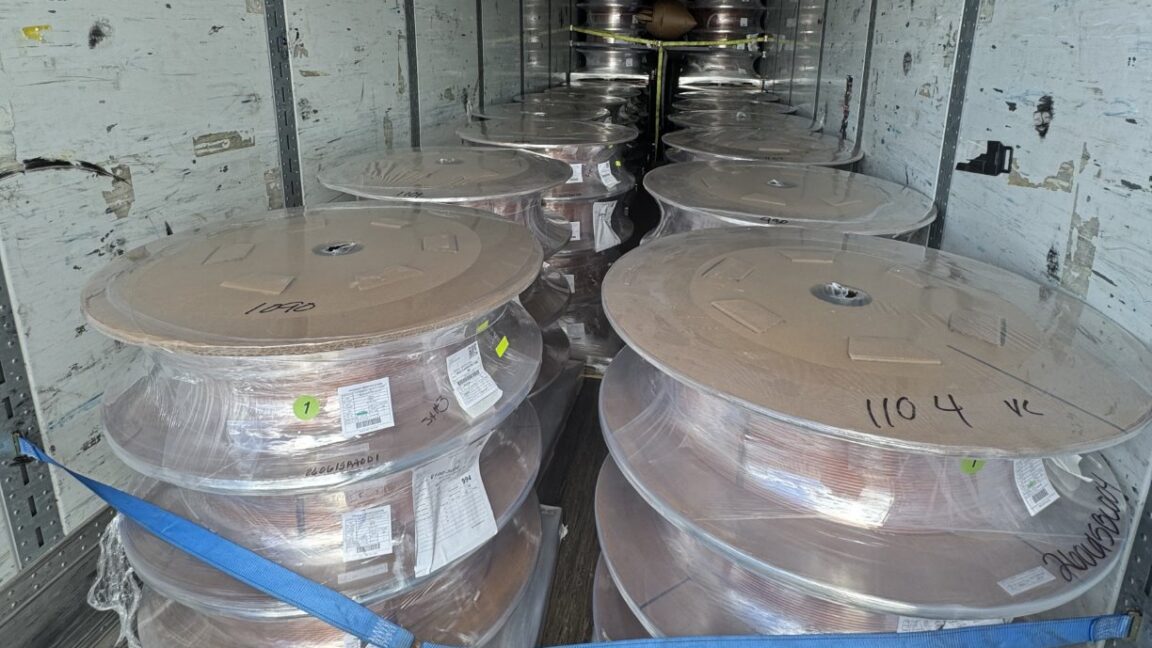
Highway thieves are spoofing GPS to steal millions in data center-bound cargo
Highway thieves have exploited GPS spoofing techniques to steal over $100 million worth of data center equipment.
“The audacity of these thieves, using GPS spoofing to mislead tracking systems, reveals a new frontier in cargo theft that demands immediate attention.”
Key takeaways
- Thieves have stolen over $100 million in data center equipment using GPS spoofing.
- The method involves manipulating GPS signals to mislead tracking systems.
- Major logistics companies are now facing increased scrutiny and security measures.
- Law enforcement agencies are actively investigating the criminal networks behind these thefts.
- The rise of GPS spoofing marks a troubling evolution in cargo theft tactics.
In a shocking turn of events, a sophisticated network of thieves has managed to steal more than $100 million worth of data center-bound cargo by employing advanced GPS spoofing techniques. This method, which involves manipulating GPS signals to mislead tracking systems, has raised significant concerns among logistics companies and law enforcement agencies alike. The thefts have primarily targeted high-value equipment destined for data centers, which are critical infrastructures for cloud computing and data storage. As these thefts continue to escalate, the implications for the tech industry and supply chains are profound, prompting urgent discussions about security measures and preventative strategies.
The thieves have reportedly used commercially available GPS spoofing devices that can easily be purchased online. These devices allow them to create false GPS signals, effectively redirecting the tracking systems of shipping companies. By doing so, they can mislead logistics operators about the location of their cargo, enabling them to intercept and steal shipments without raising alarms. The audacity and technical sophistication of these operations have left many in the industry scrambling to bolster their security protocols and rethink their logistics strategies.
Key facts
| Field | Detail |
|---|---|
| Total value stolen | Over $100 million |
| Method used | GPS spoofing |
| Targeted cargo | Data center equipment |
| Primary locations | Major highways in the U.S. |
| Law enforcement response | Ongoing investigations |
| Equipment types | Servers, networking gear, storage devices |
| Date range of thefts | Recent months |
| Impact on logistics | Increased security measures being implemented |
The players involved in this alarming trend include various logistics companies, data center operators, and law enforcement agencies. Major shipping firms that transport high-value tech equipment are now facing heightened scrutiny as they work to protect their cargo. Additionally, the thieves themselves are part of a broader criminal network that has become increasingly adept at exploiting technological vulnerabilities. The ongoing investigations are being led by local and federal law enforcement, who are collaborating to track down the culprits and prevent further thefts.
To understand the gravity of this situation, it is essential to consider the role of data centers in the modern economy. Data centers house the servers and infrastructure that power everything from cloud computing services to online banking systems. As businesses increasingly rely on digital solutions, the demand for data center equipment has surged. This has made such equipment a prime target for thieves, especially when they can exploit weaknesses in the logistics chain. The rise of GPS spoofing as a method of theft marks a troubling evolution in criminal tactics, as it combines technical know-how with traditional theft methods.
Historically, thefts of high-value cargo have often involved physical break-ins or hijacking trucks. However, the introduction of GPS technology was initially seen as a deterrent against such crimes. Thieves would typically avoid targeting shipments with robust tracking systems. Now, with the advent of GPS spoofing, criminals have found a way to turn this technology against its intended purpose. This shift has forced logistics companies to rethink their security measures, as traditional methods may no longer suffice in the face of such sophisticated tactics.
Who's involved
- Logistics companies: Firms responsible for transporting data center equipment.
- Data center operators: Businesses that own and manage data centers.
- Law enforcement agencies: Local and federal authorities investigating the thefts.
- Criminal networks: Groups employing GPS spoofing techniques to execute thefts.
As the situation evolves, logistics companies are beginning to implement more stringent security measures to protect their cargo. This includes enhanced tracking systems that are less susceptible to spoofing, as well as increased physical security measures for transport vehicles. Some companies are even exploring the use of blockchain technology to create tamper-proof records of cargo movements, which could help in tracing stolen goods and deterring theft.
How to read the numbers
| Benchmark | Score |
|---|---|
| Value of stolen equipment | $100 million |
| Number of reported thefts | Multiple incidents |
| Estimated increase in logistics costs | Significant |
| Average time to recover stolen goods | Varies |
The implications of these thefts extend beyond immediate financial losses. The logistics industry may face increased costs as companies invest in new technologies and security measures to safeguard their shipments. Additionally, the reputational damage caused by such thefts can lead to a loss of trust among clients and partners, further complicating the landscape for logistics providers. As the industry grapples with these challenges, the need for innovative solutions becomes increasingly pressing.
What you can do with it
- Evaluate and upgrade GPS tracking systems to resist spoofing.
- Implement physical security measures for transport vehicles.
- Explore blockchain technology for secure cargo tracking.
- Train staff on recognizing potential spoofing signs and theft prevention.
- Collaborate with law enforcement for better intelligence sharing.
What we're watching
As investigations continue, the focus will be on identifying and apprehending the criminal networks behind these thefts. Law enforcement agencies are likely to increase their surveillance and intelligence efforts, which could lead to significant breakthroughs in the case. Additionally, the logistics industry will be watching closely to see how security measures evolve in response to these incidents. The potential for new technologies to emerge as a countermeasure to GPS spoofing is also an area of interest, as companies seek to protect their valuable cargo from future thefts.
Looking ahead, the ongoing threat of GPS spoofing in logistics raises critical questions about the future of cargo security. As technology continues to advance, so too will the methods employed by criminals. This cat-and-mouse game between security measures and criminal tactics will shape the logistics landscape for years to come. Companies that can adapt quickly and innovate their security protocols will be better positioned to protect their assets and maintain trust with their clients. The stakes are high, and the need for vigilance has never been greater.
Source: Ars Technica - AI · Read original →
Instagram & TikTok: copy the link or quote and paste into a Story, Reel, or caption.
Digest
AI news by email
Weekly Friday briefings plus midweek notes when models or research drop. Sources included — unsubscribe anytime.
Discussion
Comment here after signing in, or share the story to continue the conversation elsewhere.
Instagram & TikTok: copy the link and paste into a Story, Reel, or caption.
Log in or create an account to comment — Google / GitHub / X when those providers are configured.
No comments yet — start the thread.