

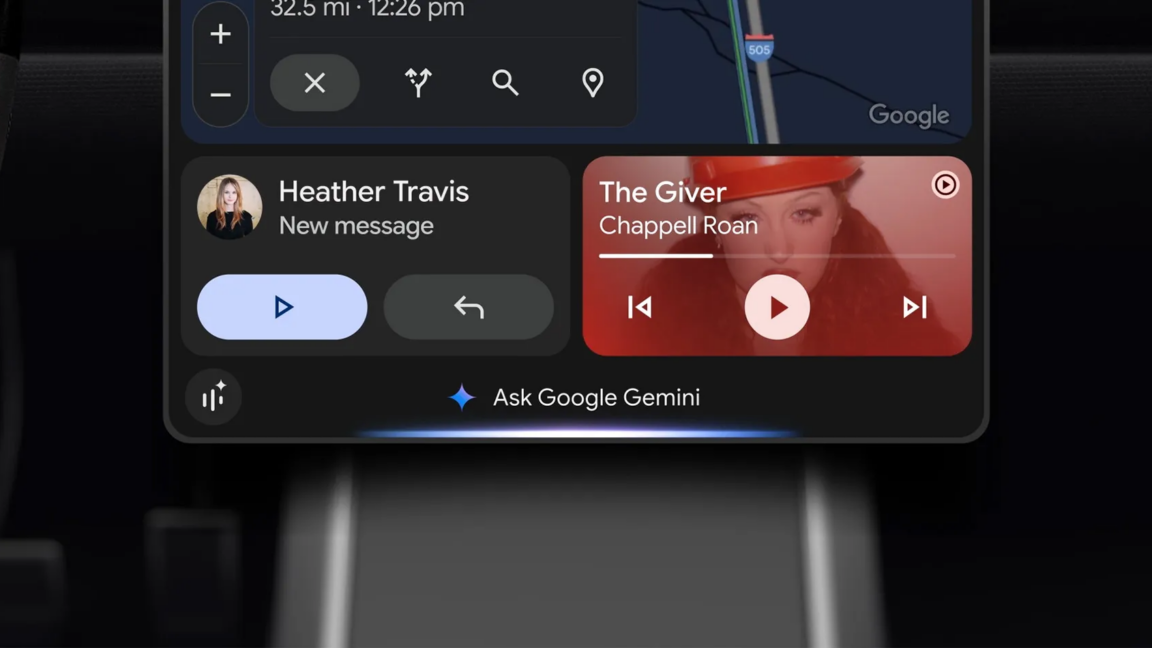
Gemini's Personal Intelligence is coming to cars
Gemini's Personal Intelligence feature is set to revolutionize in-car experiences by integrating advanced AI capabilities.
“Gemini's Personal Intelligence could redefine in-car interactions by learning from user habits, setting a new standard for automotive AI.”
Key takeaways
- Gemini's Personal Intelligence is set to enhance in-car experiences with personalized AI assistance.
- Developed by Google DeepMind, this technology aims to adapt to individual user preferences.
- Major automotive manufacturers are expected to adopt Gemini's features in upcoming vehicle models.
- The integration of AI in cars is a response to growing consumer demand for smarter, more intuitive driving experiences.
- Initial user feedback will be crucial in shaping the future of in-car AI systems.
The automotive industry is on the brink of a transformative shift as Gemini's Personal Intelligence feature is poised to make its debut in vehicles. This innovative technology aims to enhance the driving experience by providing personalized assistance, making cars smarter and more responsive to individual preferences. As automakers increasingly look to integrate AI into their vehicles, Gemini's advancements could set a new standard for in-car technology, potentially reshaping how drivers interact with their cars.
Gemini, developed by Google DeepMind, is known for its sophisticated AI capabilities, which include natural language processing and contextual understanding. The introduction of Personal Intelligence in cars signifies a move towards creating a more intuitive and user-friendly interface for drivers. This feature is designed to learn from user interactions, adapting to their habits and preferences over time. As a result, drivers can expect a more tailored experience, whether it’s adjusting climate controls, suggesting routes, or even managing in-car entertainment systems.
Key facts
| Field | Detail |
|---|---|
| Technology | Gemini's Personal Intelligence |
| Developer | Google DeepMind |
| Application | In-car AI integration |
| Key Features | Personalized assistance, contextual understanding |
| Industry Impact | Potential to redefine in-car user experience |
| Release Timeline | Expected in upcoming vehicle models |
| Target Audience | Automotive manufacturers and consumers |
| Competitive Landscape | Competing with other automotive AI systems |
| User Interaction | Learns from individual habits and preferences |
| Future Developments | Ongoing updates and improvements anticipated |
Who's involved
The key players in this development include Google DeepMind, the research lab responsible for the Gemini AI, and various automotive manufacturers that are looking to integrate this technology into their vehicles. Major car manufacturers such as Ford, General Motors, and Tesla are likely to be at the forefront of adopting Gemini's Personal Intelligence, as they seek to enhance their offerings in an increasingly competitive market.
Background
The integration of AI into vehicles is not a new concept; however, the level of sophistication that Gemini's Personal Intelligence brings is unprecedented. Previous iterations of in-car AI systems have primarily focused on basic voice commands and navigation assistance. For instance, systems like Ford's SYNC and Tesla's Autopilot have made significant strides in providing drivers with hands-free functionalities and real-time traffic updates. However, these systems often lack the depth of personalization that Gemini aims to achieve.
The shift towards more intelligent in-car systems can be traced back to the growing demand for enhanced user experiences in the automotive sector. As consumers become accustomed to smart devices in their everyday lives, they expect similar levels of convenience and personalization in their vehicles. Gemini's Personal Intelligence is a response to this demand, leveraging advanced machine learning algorithms to create a more engaging and user-friendly driving environment.
How to read the numbers
While specific performance metrics for Gemini's Personal Intelligence in vehicles are not yet available, it's essential to consider the broader implications of AI integration in cars. The following table outlines some key benchmarks that can help contextualize the potential impact of this technology:
| Benchmark | Expected Impact |
|---|---|
| User Satisfaction | Increased due to personalized experiences |
| Safety Improvements | Enhanced through predictive analytics |
| Efficiency Gains | Optimized route suggestions and fuel management |
| Market Adoption Rate | Anticipated rapid growth among manufacturers |
| Competitive Advantage | Differentiation for brands adopting AI technology |
What you can do with it
For builders and users interested in leveraging Gemini's Personal Intelligence, here are some practical takeaways:
- Stay Informed: Keep up with updates from Google DeepMind and automotive manufacturers regarding the rollout of Gemini's features.
- Adjust Settings: As the technology becomes available, audit your settings to ensure optimal personalization for your driving experience.
- Explore Compatibility: Check if your vehicle model will support Gemini's integration and what features will be available.
- Engage with Updates: Participate in user feedback opportunities to help shape the development of Gemini's capabilities in cars.
What we're watching
As the automotive industry prepares for the integration of Gemini's Personal Intelligence, we are closely monitoring the timeline for its rollout and the initial user feedback. The first vehicles equipped with this technology are expected to hit the market soon, and how consumers respond to these innovations will be critical in determining the future direction of in-car AI systems. Additionally, the competitive landscape will be worth watching, as other manufacturers may rush to develop similar capabilities in response to Gemini's advancements.
The introduction of Gemini's Personal Intelligence marks a significant milestone in the evolution of in-car technology. As automakers embrace this advanced AI, the potential for a more personalized and intuitive driving experience is on the horizon. The implications for both consumers and manufacturers are profound, as the automotive industry continues to adapt to the demands of a tech-savvy market. With the promise of smarter vehicles that learn and adapt to individual preferences, the future of driving is set to become more connected and engaging than ever before.
Source: Ars Technica - AI · Read original →
Instagram & TikTok: copy the link or quote and paste into a Story, Reel, or caption.
Digest
AI news by email
Weekly Friday briefings plus midweek notes when models or research drop. Sources included — unsubscribe anytime.
Discussion
Comment here after signing in, or share the story to continue the conversation elsewhere.
Instagram & TikTok: copy the link and paste into a Story, Reel, or caption.
Log in or create an account to comment — Google / GitHub / X when those providers are configured.
No comments yet — start the thread.


