Deploying 🤗 ViT on Kubernetes with TF Serving
Hugging Face unveils a new method for deploying Vision Transformers on Kubernetes using TensorFlow Serving.
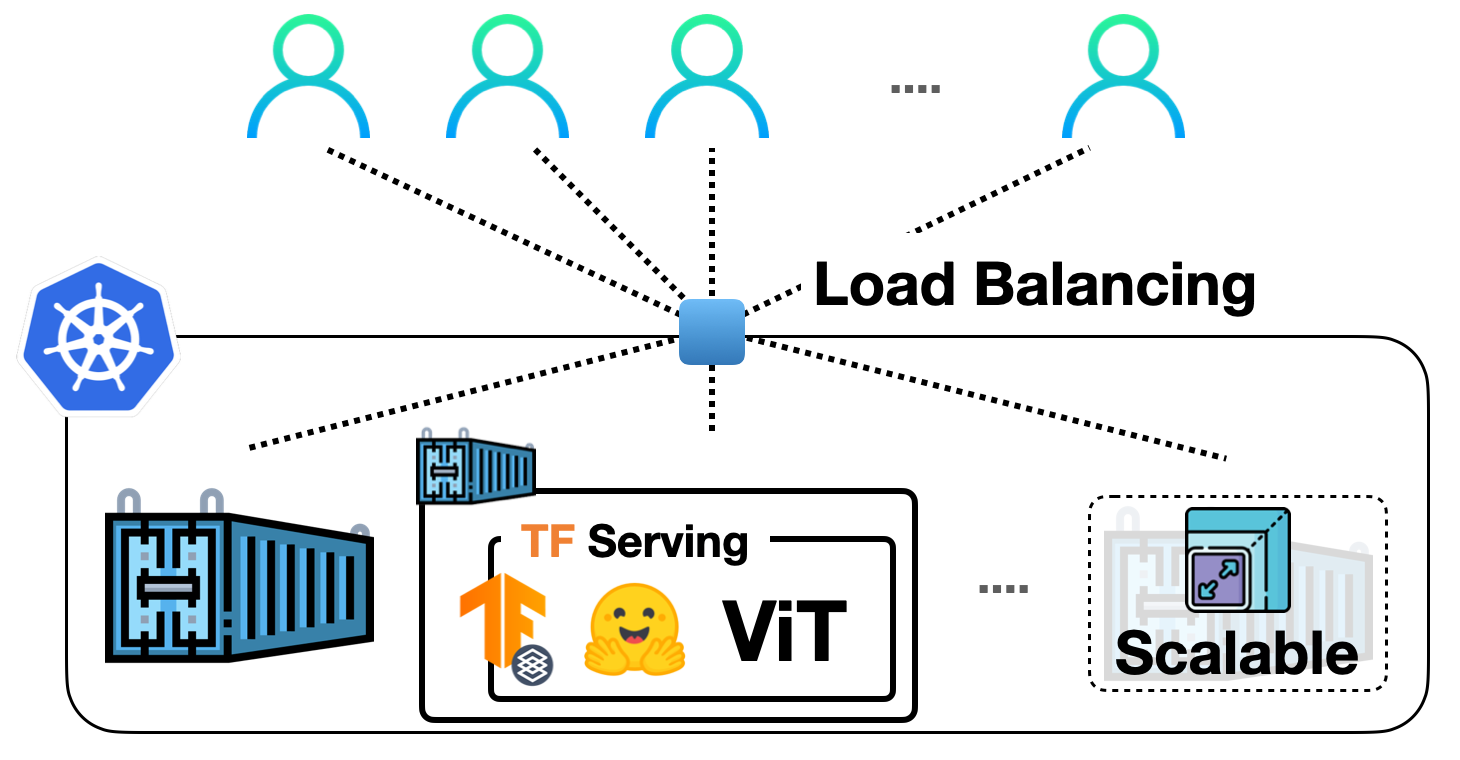
Hugging Face has announced a comprehensive guide for deploying Vision Transformers (ViT) on Kubernetes using TensorFlow Serving, a significant step for developers looking to enhance their AI-driven image processing applications. This integration aims to streamline the deployment process, allowing users to leverage the power of Kubernetes for scalable and efficient model serving. By utilizing TensorFlow Serving, developers can ensure that their models are not only accessible but also optimized for performance in production environments.
The guide provides a step-by-step approach, detailing how to set up Kubernetes clusters and configure TensorFlow Serving to host ViT models. This is particularly relevant as the demand for advanced image processing capabilities continues to grow across various industries, including healthcare, automotive, and retail. The combination of Hugging Face's cutting-edge ViT models with the robust infrastructure of Kubernetes and TensorFlow Serving positions developers to tackle complex image analysis tasks with greater ease and efficiency.
Key facts
| Field | Detail |
|---|---|
| Model | Vision Transformers (ViT) |
| Deployment Platform | Kubernetes |
| Serving Framework | TensorFlow Serving |
| Use Case | Scalable image processing |
| Target Audience | AI developers and data scientists |
| Key Benefit | Improved scalability and efficiency |
As organizations increasingly adopt AI technologies, the ability to deploy and manage models at scale becomes paramount. Kubernetes, an open-source container orchestration platform, has gained popularity for its ability to automate deployment, scaling, and management of applications. Coupled with TensorFlow Serving, which is designed specifically for serving machine learning models, this deployment method allows for rapid iteration and deployment of AI models in production settings. The synergy between these technologies not only enhances performance but also reduces the operational burden on developers.
The deployment of Vision Transformers on Kubernetes represents a broader trend in the AI landscape, where flexibility and scalability are crucial. Companies are seeking solutions that allow them to deploy complex models without the overhead of managing infrastructure manually. This approach aligns with the growing emphasis on MLOps, which focuses on the collaboration between data science and operations to streamline the deployment and management of machine learning models. As more organizations recognize the value of AI in driving business outcomes, the demand for efficient deployment strategies will only increase.
Looking ahead, the integration of Vision Transformers with Kubernetes and TensorFlow Serving sets a precedent for future developments in AI model deployment. As more developers adopt these practices, we can expect to see further enhancements in model performance and accessibility. Additionally, this deployment method could pave the way for more advanced applications in real-time image processing, potentially transforming industries that rely heavily on visual data analysis. The ongoing evolution of these technologies will undoubtedly shape the future of AI-driven applications.
Source: Hugging Face Blog · Read original →
Discussion
Comment here after signing in, or share the story to continue the conversation elsewhere.
Instagram & TikTok: copy the link and paste into a Story, Reel, or post caption.
Log in or create an account to comment — Google / GitHub / X when those providers are configured.
No comments yet — start the thread.