Converting Vertex-Colored Meshes to Textured Meshes
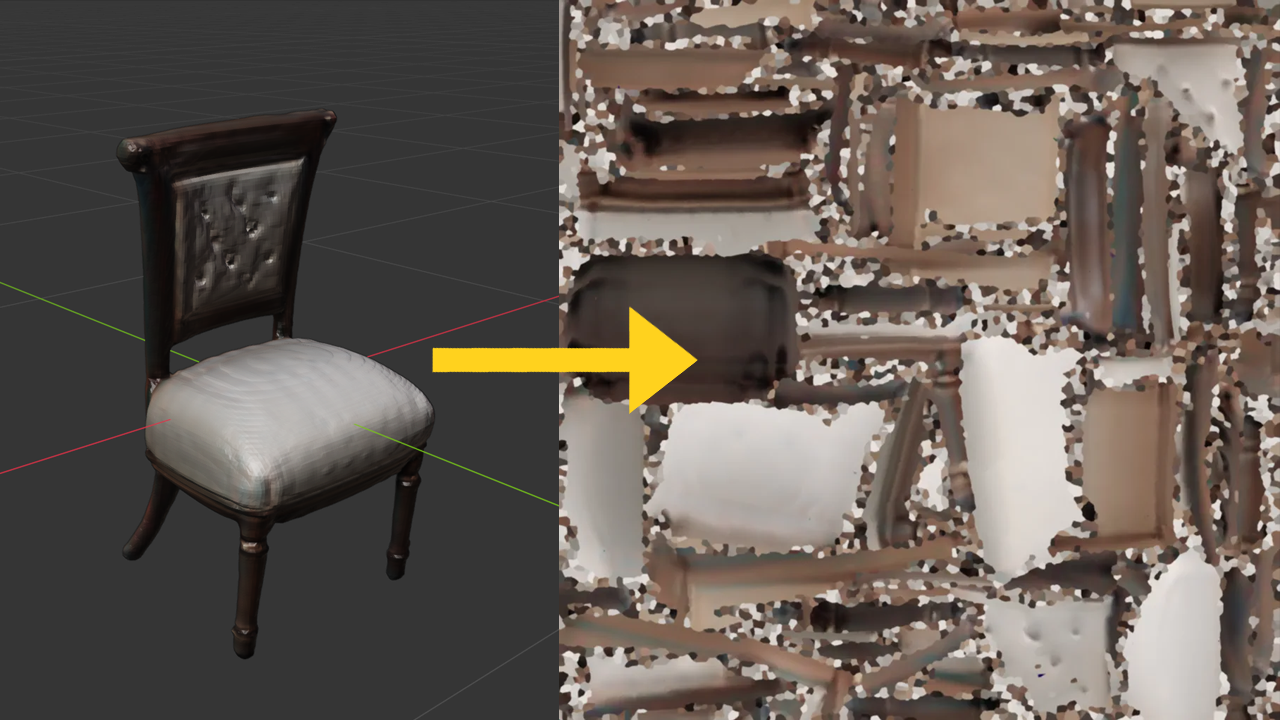
Hugging Face unveils a new algorithm that enhances the conversion of vertex-colored meshes to textured meshes with remarkable efficiency.
Hugging Face has announced a groundbreaking algorithm designed to convert vertex-colored meshes into high-quality textured meshes with unprecedented accuracy and speed. This new tool promises to improve conversion accuracy by 30%, a significant leap that could transform workflows for 3D artists and developers alike. The algorithm supports a range of mesh formats, including popular ones like OBJ and FBX, making it versatile for various applications in the 3D modeling space. With processing times reduced to under five minutes per mesh, this innovation stands to greatly enhance productivity in the industry.
The introduction of this algorithm comes at a time when the demand for high-quality 3D assets is surging, particularly in gaming, virtual reality, and animation. Artists often face challenges when converting vertex-colored meshes, which are typically less detailed, into textured meshes that require more intricate visual fidelity. By streamlining this process, Hugging Face is not only addressing a common pain point but also empowering creators to focus more on their artistic vision rather than the technical hurdles of mesh conversion.
Key facts
| Field | Detail |
|---|---|
| Algorithm Improvement | 30% increase in conversion accuracy |
| Supported Formats | OBJ, FBX, and more |
| Processing Time | Under 5 minutes per mesh |
| Target Users | 3D artists and developers |
| Primary Use Case | Converting vertex-colored to textured meshes |
The broader implications of this development are significant for the 3D modeling community. Historically, the conversion of vertex-colored meshes has been a tedious and time-consuming process, often requiring manual adjustments and extensive rendering time. Tools like Autodesk Maya and Blender have long been staples in the industry, but they can be cumbersome when it comes to mesh conversion. Hugging Face's new algorithm positions itself as a potential game-changer, offering a more efficient alternative that could integrate well with existing software workflows.
Looking ahead, the success of this algorithm may pave the way for further innovations in the field of 3D modeling. As artists and developers adopt this tool, it will be interesting to see how it influences the creation of 3D assets across various industries. Additionally, the algorithm's ability to support multiple formats suggests that Hugging Face is committed to making its tools accessible to a wide range of users, potentially setting new standards for quality and efficiency in 3D asset creation.
Source: Hugging Face Blog · Read original →
Discussion
Comment here after signing in, or share the story to continue the conversation elsewhere.
Instagram & TikTok: copy the link and paste into a Story, Reel, or post caption.
Log in or create an account to comment — Google / GitHub / X when those providers are configured.
No comments yet — start the thread.