

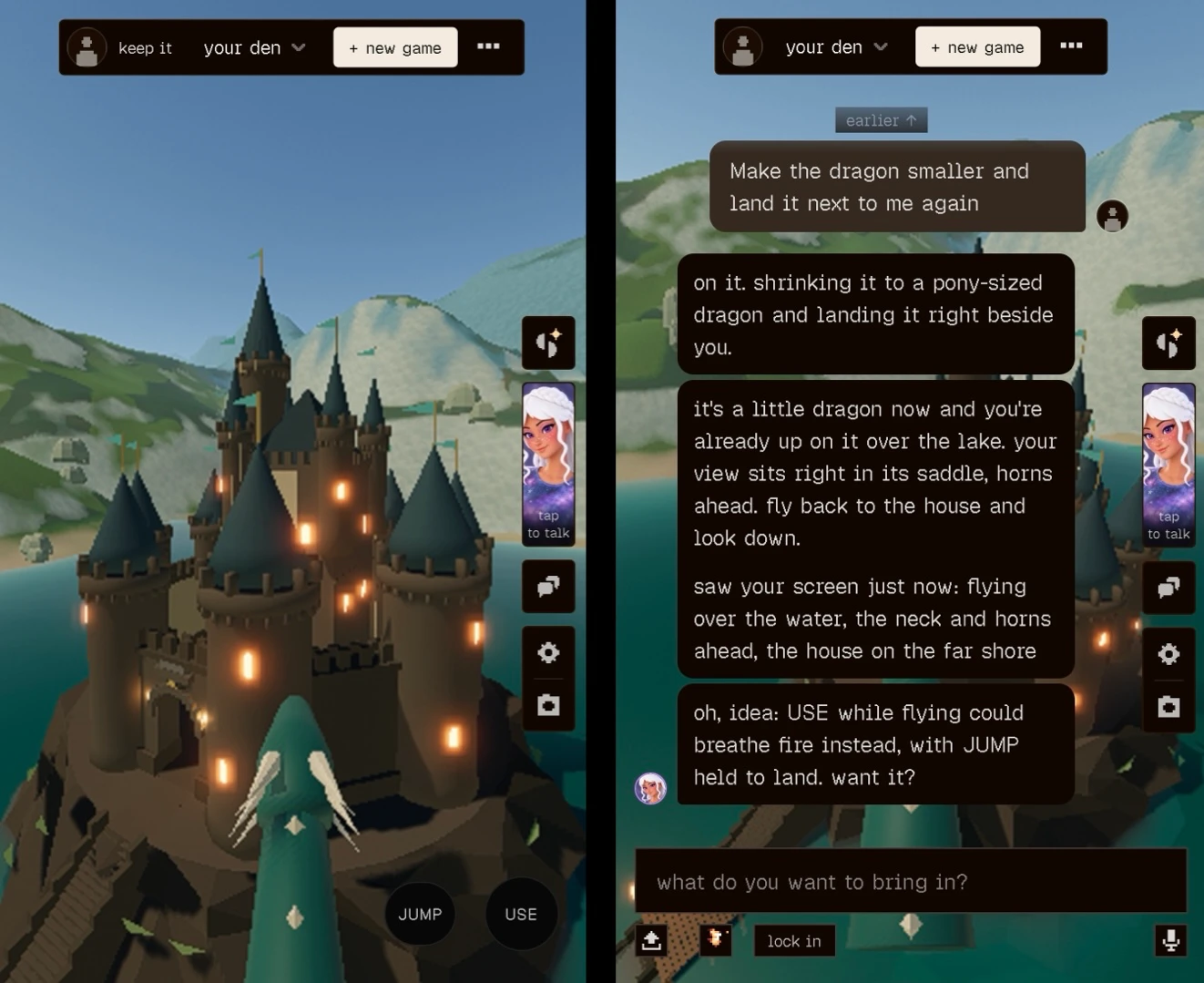
Building a multiplayer game world with autonomous Fable-class models
Simon Willison explores the innovative use of autonomous Fable-class models to create immersive multiplayer game worlds.
“The potential for Fable-class models to create dynamic storytelling in games could revolutionize player interactions and redefine the gaming landscape.”
Key takeaways
- Simon Willison is pioneering the use of Fable-class models in multiplayer game development.
- These models enable NPCs to learn and adapt based on player interactions.
- The shift towards intelligent game design enhances player immersion and engagement.
- Developers are encouraged to experiment with AI training and storytelling mechanics.
- The ethical implications of AI in gaming are becoming increasingly important as these technologies evolve.
The gaming industry is witnessing a transformative shift with the integration of autonomous Fable-class models, as highlighted by Simon Willison in his recent weblog entry. These advanced AI models are designed to enhance the development of multiplayer game worlds, allowing for more dynamic interactions and richer storytelling. By leveraging the capabilities of these models, developers can create environments where players not only interact with each other but also with intelligent non-player characters (NPCs) that respond in real-time to player actions and decisions. This evolution marks a significant leap from traditional game design, where NPC behavior was often scripted and limited in scope.
Willison's insights shed light on how these Fable-class models operate within the game ecosystem. Unlike conventional AI systems that rely heavily on pre-defined algorithms, Fable-class models utilize machine learning techniques to adapt and evolve based on player interactions. This means that the more players engage with the game, the more the AI learns and adjusts its behavior, creating a unique experience for each player. This adaptability not only enhances gameplay but also deepens player immersion, as they encounter NPCs that exhibit realistic and varied responses.
Key facts
| Field | Detail |
|---|---|
| Model Type | Fable-class models |
| Application | Multiplayer game worlds |
| Key Feature | Autonomous NPC behavior |
| Developer | Simon Willison |
| Learning Mechanism | Machine learning-based adaptation |
| Player Interaction | Real-time response to actions |
| Immersion Level | Enhanced through dynamic storytelling |
| Industry Impact | Shift towards intelligent game design |
| Current Status | In development and testing phases |
| Future Potential | Expanding to various game genres |
Who's involved
The primary figure in this development is Simon Willison, a prominent developer and thinker in the AI and gaming space. His work focuses on integrating advanced AI models into interactive environments, pushing the boundaries of what is possible in game design. Additionally, various game development studios are exploring the implementation of Fable-class models, indicating a growing interest in AI-driven gameplay.
The rise of autonomous Fable-class models comes at a time when the gaming industry is increasingly looking for ways to enhance player engagement and retention. Traditional game design often falls short in providing players with the sense of agency and realism they crave. By utilizing these advanced AI models, developers can create worlds that feel alive and responsive, offering players a more personalized experience. This shift is reminiscent of the early days of gaming when developers were first experimenting with rudimentary AI, but now the technology has matured to a point where it can genuinely enhance gameplay.
Historically, NPCs in games were limited by their programming, often resulting in predictable and repetitive interactions. Games like "The Sims" and "Grand Theft Auto" made strides in creating more lifelike NPCs, but they still operated within the confines of their scripts. The introduction of Fable-class models represents a paradigm shift, as these models can learn from player behavior and adapt accordingly. This capability allows for a more fluid and engaging gaming experience, where players can form genuine connections with the game world and its inhabitants.
How to read the numbers
While specific performance metrics for Fable-class models in gaming are still emerging, the potential for these models can be illustrated through hypothetical benchmarks that reflect their capabilities. Below is a table that outlines some expected performance indicators based on current trends in AI and gaming.
| Benchmark | Expected Performance |
|---|---|
| NPC Interaction Realism | High |
| Adaptation Speed | Fast |
| Player Engagement Increase | Significant |
| Storytelling Depth | Enhanced |
| Learning Curve | Gradual |
What you can do with it
For developers looking to integrate Fable-class models into their games, here are some practical takeaways:
- Experiment with AI Training: Utilize player data to train models that enhance NPC interactions.
- Focus on Storytelling: Leverage the adaptability of Fable-class models to create branching storylines that respond to player choices.
- Enhance Player Agency: Design game mechanics that allow players to influence the game world in meaningful ways.
- Test and Iterate: Continuously refine the AI's learning algorithms based on player feedback and behavior.
What we're watching
As the development of Fable-class models progresses, the gaming community is keenly observing how these innovations will impact gameplay dynamics. One key area of interest is the potential for these models to be integrated into different genres, from role-playing games to first-person shooters. Additionally, the ethical implications of using AI in gaming, particularly concerning player data and privacy, are topics that will require careful consideration as these technologies become more prevalent.
Looking ahead, the integration of Fable-class models could redefine not only how games are developed but also how players interact with them. As these models become more sophisticated, the line between player and NPC may blur, leading to unprecedented levels of immersion and engagement. The future of gaming is poised to be shaped by these advancements, and developers who embrace this technology will likely find themselves at the forefront of a new era in interactive entertainment.
Source: Simon Willison's Weblog · Read original →
Instagram & TikTok: copy the link or quote and paste into a Story, Reel, or caption.
Digest
AI news by email
Weekly Friday briefings plus midweek notes when models or research drop. Sources included — unsubscribe anytime.
Discussion
Comment here after signing in, or share the story to continue the conversation elsewhere.
Instagram & TikTok: copy the link and paste into a Story, Reel, or caption.
Log in or create an account to comment — Google / GitHub / X when those providers are configured.
No comments yet — start the thread.


