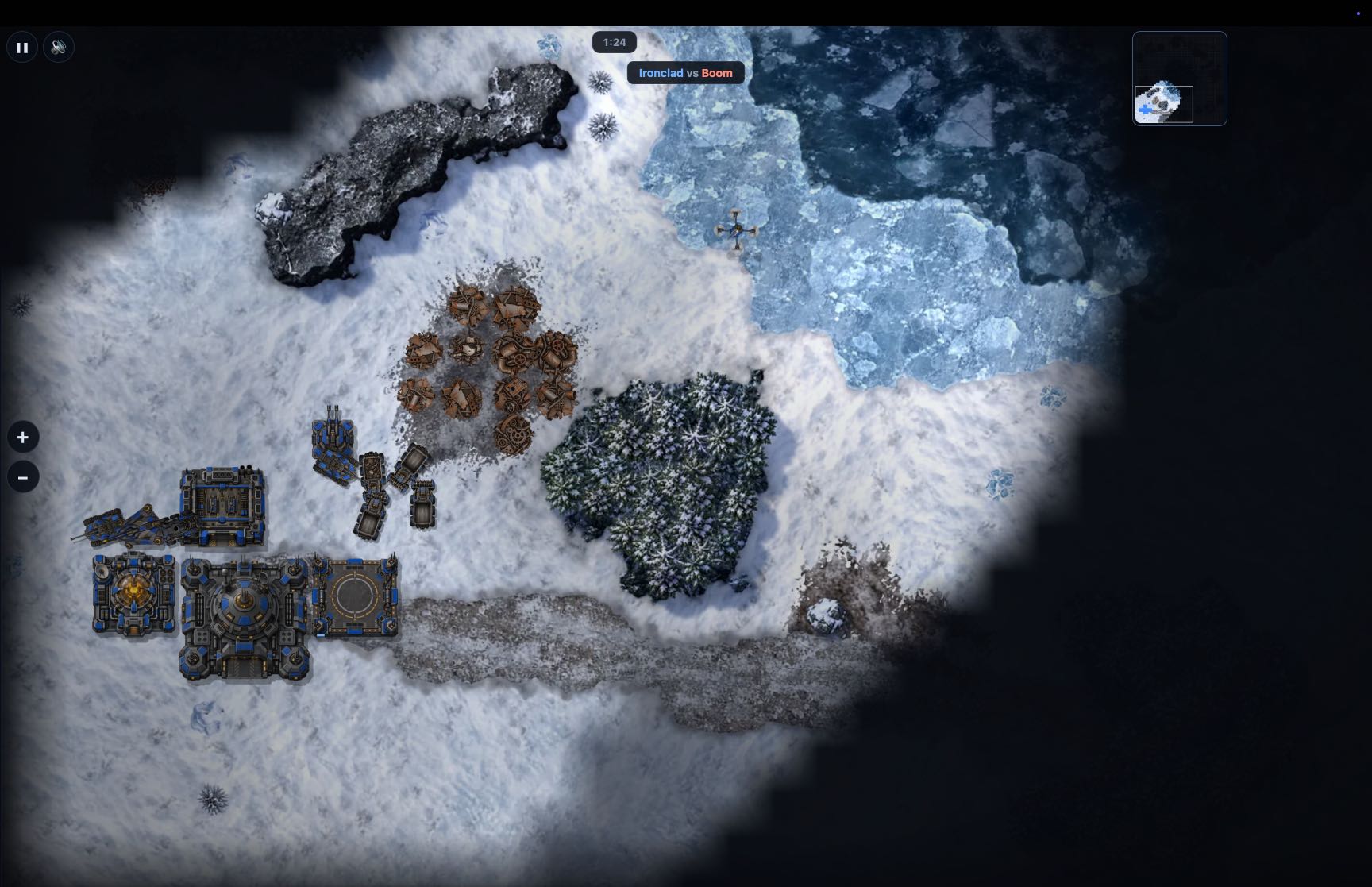
Battle Drones - a vibe coded RTS with audio-based multiplayer
Battle Drones introduces a unique audio-based multiplayer RTS experience, blending strategy with sound in an innovative way.
“In a world where visuals dominate gaming, Battle Drones dares to prioritize sound, creating a new frontier for auditory strategy.”
Key takeaways
- Battle Drones is an audio-based RTS game designed for competitive gameplay.
- The game emphasizes accessibility, particularly for visually impaired players.
- Developed by a multidisciplinary team focused on innovative game design.
- Open beta testing is planned to gather community feedback and refine gameplay.
- The success of Battle Drones could influence future game development towards more inclusive practices.
In a groundbreaking move for the gaming industry, Battle Drones has emerged as a unique real-time strategy (RTS) game that leverages audio as its primary gameplay mechanic. Developed by a team of passionate game designers and audio engineers, this innovative title aims to create an immersive experience where players rely on sound cues rather than visuals to navigate and strategize. The game’s audio-centric design not only challenges traditional gaming norms but also opens up new avenues for accessibility, allowing visually impaired players to engage in competitive gameplay.
The game is set in a futuristic battlefield where players control drones that they must strategically deploy to outmaneuver opponents. Each player’s drone emits distinct audio signals that convey critical information about its status, location, and actions. This reliance on sound creates a unique layer of strategy, as players must learn to interpret these audio cues while simultaneously managing their drone fleets. The developers have emphasized that the game is designed to be both competitive and fun, encouraging players to develop their listening skills and strategic thinking in a way that traditional RTS games do not.
Key facts
| Field | Detail |
|---|---|
| Game Title | Battle Drones |
| Genre | Real-Time Strategy (RTS) |
| Gameplay Mechanic | Audio-based multiplayer |
| Developer | Independent team of game designers and audio engineers |
| Accessibility Focus | Designed for visually impaired players |
| Release Date | TBD |
| Platform | PC and potential console release |
| Community Engagement | Open beta testing planned |
| Unique Selling Point | Sound as the primary gameplay mechanic |
| Target Audience | Gamers seeking innovative and accessible experiences |
The players behind Battle Drones include a diverse group of individuals with backgrounds in game design, audio engineering, and accessibility advocacy. This multidisciplinary approach has allowed the team to create a game that not only entertains but also serves a broader purpose by making gaming more inclusive. The developers have expressed their commitment to engaging with the gaming community throughout the development process, seeking feedback and suggestions to refine the gameplay experience.
Historically, the gaming industry has seen various attempts to incorporate audio into gameplay, but few have succeeded in creating a fully immersive experience that prioritizes sound. Previous titles like AudioSurf and BlindSide have explored audio-based mechanics, but Battle Drones takes this concept further by integrating it into the core gameplay of a competitive RTS. This shift represents a significant change in how games can be designed, moving away from the visual-centric approach that has dominated the industry for decades.
The rise of accessibility in gaming has also played a crucial role in the development of Battle Drones. As more developers recognize the importance of creating inclusive experiences, the demand for games that cater to players with disabilities has increased. Battle Drones stands out in this regard, as it not only accommodates visually impaired players but also challenges all players to enhance their auditory skills. This focus on accessibility could set a new standard for future game development, encouraging other studios to consider how they can make their titles more inclusive.
What you can do with it
- Engage in strategic gameplay that emphasizes auditory skills.
- Participate in open beta testing to provide feedback on game mechanics.
- Explore community forums to connect with other players and share strategies.
- Advocate for accessibility in gaming by supporting titles like Battle Drones.
- Experiment with different drone strategies based on audio cues.
What we're watching
As Battle Drones approaches its open beta testing phase, the gaming community is eager to see how players respond to this innovative approach. The developers are particularly interested in feedback regarding the audio mechanics and overall gameplay experience. Additionally, the success of Battle Drones could influence other developers to explore audio-based gameplay, potentially leading to a broader shift in the industry towards more inclusive design practices.
Looking ahead, the potential for Battle Drones to reshape the landscape of RTS games is significant. If the game successfully captures the attention of both casual and competitive gamers, it could pave the way for a new genre of audio-centric games. The developers’ commitment to accessibility and community engagement will be crucial in determining the game’s success, as they navigate the challenges of balancing innovative gameplay with player expectations. As the gaming industry continues to evolve, Battle Drones may very well emerge as a pioneering title that redefines how players interact with games, emphasizing the power of sound in a visually dominated medium.
Source: Simon Willison's Weblog · Read original →
Instagram & TikTok: copy the link or quote and paste into a Story, Reel, or caption.
Digest
AI news by email
Weekly Friday briefings plus midweek notes when models or research drop. Sources included — unsubscribe anytime.
Discussion
Comment here after signing in, or share the story to continue the conversation elsewhere.
Instagram & TikTok: copy the link and paste into a Story, Reel, or caption.
Log in or create an account to comment — Google / GitHub / X when those providers are configured.
No comments yet — start the thread.