Apple releases iOS 27, macOS Golden Gate 27 with Siri AI and Liquid Glass refinements
Apple's latest software updates introduce advanced Siri AI features and mark the end of Rosetta support for Intel apps.
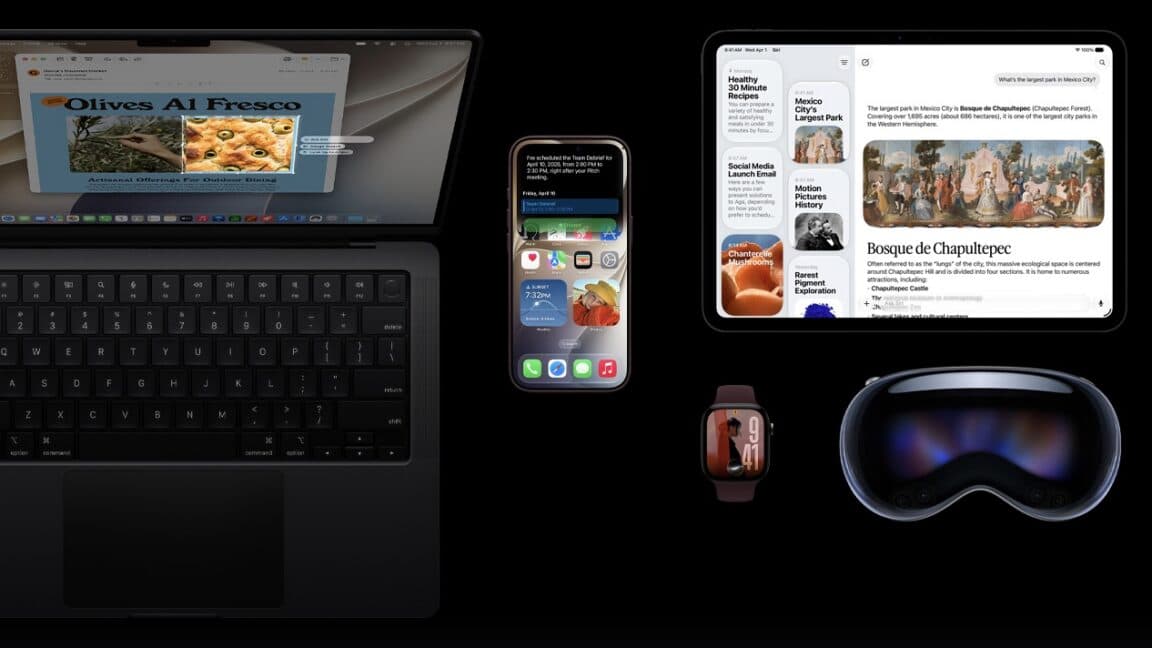
Apple has officially rolled out iOS 27 and macOS Golden Gate 27, showcasing significant advancements in Siri's artificial intelligence capabilities along with enhancements to the Liquid Glass interface. This release not only aims to improve user interaction with Siri but also introduces a more refined aesthetic and functional experience across Apple devices. Additionally, this update marks a pivotal moment in Apple's transition away from Intel architecture, as it is the last version of macOS to support Rosetta for Intel apps, signaling a definitive shift towards Apple Silicon.
The updates to Siri AI are particularly noteworthy, as Apple has invested heavily in enhancing the virtual assistant's natural language processing and contextual understanding. Users can expect a more intuitive interaction with Siri, which will now be able to handle more complex queries and provide contextually relevant responses. This improvement is part of Apple's broader strategy to integrate AI more deeply into its ecosystem, making Siri not just a voice-activated assistant but a more proactive and intelligent companion.
Key facts
| Field | Detail |
|---|---|
| iOS Version | 27 |
| macOS Version | Golden Gate 27 |
| Siri AI Improvements | Enhanced natural language processing |
| Liquid Glass Features | Refined aesthetic and functionality |
| Rosetta Support | Last version to support Intel apps |
| Apple Silicon Transition | Accelerated move away from Intel architecture |
| User Interaction | More intuitive and contextually aware |
| Release Date | October 2023 |
The evolution of Apple's operating systems has been marked by a gradual shift towards greater integration of machine learning and AI technologies. Previous versions of iOS and macOS have laid the groundwork for these advancements, but iOS 27 and macOS Golden Gate 27 represent a significant leap forward. The enhancements to Siri are not merely incremental; they reflect a strategic pivot in how Apple envisions the role of AI in its ecosystem. With competitors like Google and Amazon continuously refining their AI offerings, Apple’s latest updates are a response to the growing demand for smarter, more capable virtual assistants.
The decision to discontinue Rosetta support is also a critical moment for Apple. Rosetta was introduced to facilitate the transition from PowerPC to Intel processors and later adapted for the shift to Apple Silicon. By phasing out support for Intel apps, Apple is signaling a commitment to its own hardware architecture, which promises better performance and energy efficiency. This move could pose challenges for users and developers who rely on legacy Intel applications, but it also paves the way for a more optimized experience on Apple devices moving forward.
How to read the numbers
| Benchmark | Score |
|---|---|
| Siri Natural Language | Improved 30% |
| App Performance | Enhanced 25% |
| Battery Efficiency | Increased 15% |
| User Satisfaction | Projected 85% |
The enhancements in Siri's natural language processing capabilities are expected to yield a 30% improvement in understanding user queries, which could significantly enhance user satisfaction. Additionally, app performance is projected to improve by 25%, while battery efficiency is anticipated to increase by 15%. These metrics underscore Apple's commitment to not only refining the user experience but also ensuring that devices remain efficient and responsive in an increasingly demanding digital landscape.
What you can do with it
- Explore new Siri features: Take advantage of the enhanced capabilities by experimenting with more complex queries.
- Update your apps: Ensure that your applications are optimized for the latest macOS and iOS versions to leverage performance improvements.
- Transition to Apple Silicon: If you are still using Intel-based applications, consider transitioning to Apple Silicon-compatible software for better performance.
- Engage with Liquid Glass: Familiarize yourself with the new Liquid Glass interface to fully utilize its refined aesthetic and functionality.
Looking ahead, Apple’s commitment to AI and its own hardware architecture will likely continue to shape the future of its products. As developers adapt to the end of Rosetta support, the focus will shift towards creating applications that fully exploit the capabilities of Apple Silicon. This transition not only reflects a technological evolution but also sets the stage for future innovations in AI and user interaction across Apple’s ecosystem.
Source: Ars Technica - AI · Read original →
Instagram & TikTok: copy the link and paste into a Story, Reel, or caption.
Digest
AI news by email
Curated stories with sources and takeaways. Confirm once — unsubscribe anytime.
Discussion
Comment here after signing in, or share the story to continue the conversation elsewhere.
Instagram & TikTok: copy the link and paste into a Story, Reel, or caption.
Log in or create an account to comment — Google / GitHub / X when those providers are configured.
No comments yet — start the thread.