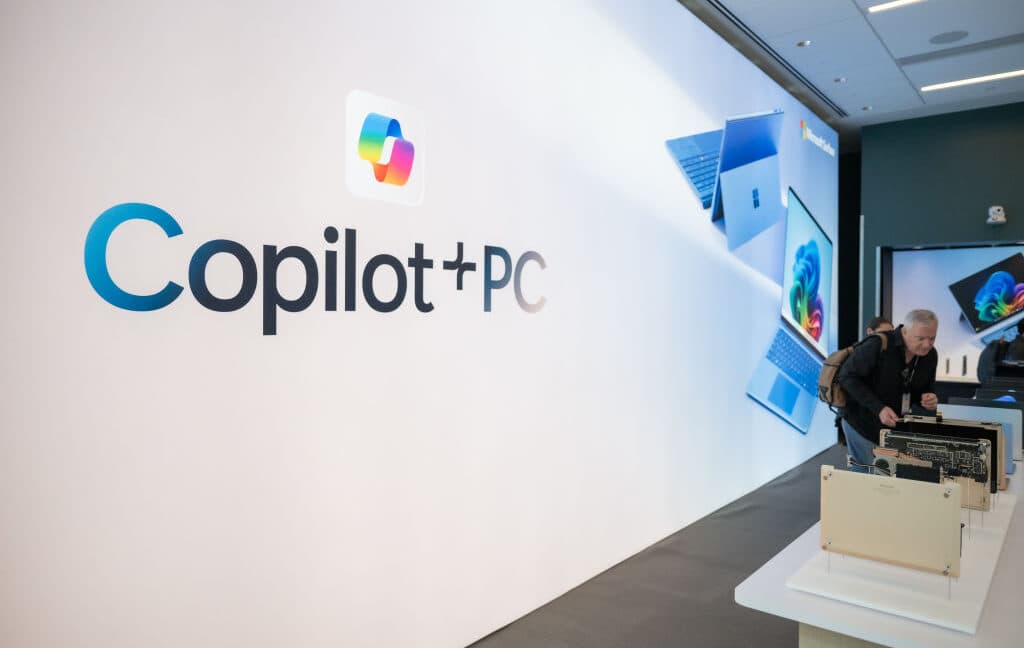
Microsoft stops insisting you need a "Copilot+ PC"
Microsoft's latest Surface laptops drop the 'Copilot+ PC' branding, signaling a shift in their AI integration strategy.
“Microsoft's decision to drop the 'Copilot+ PC' branding signals a shift towards a more integrated approach to AI in consumer technology.”
Key takeaways
- Microsoft has launched new Surface laptops without the 'Copilot+ PC' branding.
- The focus is on enhancing user experience rather than solely promoting AI features.
- Integration with Microsoft Office 365 and Teams remains a priority.
- The shift reflects a broader industry trend towards seamless AI integration.
- Future software updates may introduce additional AI functionalities to enhance user experience.
Microsoft has made a notable pivot in its branding strategy with the recent launch of its new Surface laptops, which no longer carry the 'Copilot+ PC' designation. This change marks a significant departure from the company's previous emphasis on integrating AI features directly into its hardware offerings. The decision to forgo the Copilot+ branding reflects a broader trend within the tech industry, where companies are reassessing how they market AI capabilities and the value they bring to consumers. As Microsoft continues to innovate within the realm of artificial intelligence, this move raises questions about the future direction of its product lines and how it plans to leverage AI in a more seamless manner.
The Surface laptops, which were unveiled during a recent event, showcase Microsoft's commitment to enhancing user experience through improved hardware specifications and software integration. While the absence of the Copilot+ branding may suggest a more understated approach to AI, the new devices are still equipped with advanced features that aim to enhance productivity and creativity. Microsoft has emphasized that these laptops are designed to work harmoniously with its suite of applications, including Office 365 and Microsoft Teams, which are increasingly incorporating AI functionalities. This strategic shift could indicate a desire to focus on the overall user experience rather than solely promoting AI as a standalone feature.
Key facts
| Field | Detail |
|---|---|
| Product Launch | New Surface laptops |
| Branding Change | Dropped 'Copilot+ PC' designation |
| Key Features | Enhanced hardware and software integration |
| Target Audience | Professionals and creatives |
| Release Date | Recent event (exact date not specified) |
| AI Integration | Continued focus on AI in Office 365 |
| Market Position | Competing with other high-end laptops |
| User Experience Focus | Emphasis on productivity and creativity |
| Company Strategy | Shift towards seamless AI integration |
| Future Outlook | Potential for more AI features in software |
Who's involved
The key players in this development include Microsoft, a leading technology company known for its software and hardware products, and its Surface product line, which has been a significant part of its hardware strategy. Additionally, the event where the new laptops were unveiled involved various Microsoft executives, including CEO Satya Nadella, who has been instrumental in steering the company's focus towards AI and cloud computing.
Microsoft's decision to drop the Copilot+ branding aligns with a broader industry trend where companies are reevaluating how they present AI capabilities. This shift is not isolated to Microsoft; other tech giants are also exploring ways to integrate AI more seamlessly into their products without overwhelming consumers with technical jargon or branding that may not resonate with their target audience.
The evolution of the Surface line has been marked by a series of innovations, with each generation of devices introducing new features and enhancements. The previous emphasis on AI branding, particularly with the Copilot+ designation, suggested a strong push to market these devices as AI-centric. However, the latest models indicate a shift towards a more holistic approach, focusing on the overall user experience rather than solely highlighting AI as a selling point.
As the tech landscape evolves, the integration of AI into everyday devices has become increasingly common. Companies are recognizing that consumers may not always be interested in the technical specifications of AI but rather in how these features can enhance their daily tasks. This realization has led to a more integrated approach, where AI functionalities are embedded into existing software and hardware ecosystems, making them more accessible and user-friendly.
How to read the numbers
While specific performance metrics for the new Surface laptops have not been disclosed, it is important to consider how these devices stack up against their competitors in the market. The focus on user experience and productivity enhancements suggests that Microsoft is prioritizing features that will resonate with professionals and creatives alike. Here’s a snapshot of how the Surface laptops compare to previous models and competitors in terms of expected performance enhancements:
| Benchmark | Expected Improvement |
|---|---|
| Battery Life | Improved |
| Processing Speed | Enhanced |
| Graphics Performance | Upgraded |
| AI Feature Integration | Seamless |
| User Interface Experience | More Intuitive |
What you can do with it
For users and builders looking to leverage the new Surface laptops, here are some practical takeaways:
- Explore the enhanced integration of Microsoft Office 365 and Teams to maximize productivity.
- Experiment with the new hardware capabilities for creative tasks, such as graphic design or video editing.
- Utilize the AI features embedded within Microsoft applications to streamline workflows and improve efficiency.
- Stay updated on future software updates that may introduce additional AI functionalities to enhance user experience.
What we're watching
As Microsoft continues to refine its product offerings, the next major milestone will likely involve the rollout of software updates that further enhance the AI capabilities of the Surface laptops. Additionally, the tech community will be keenly observing how Microsoft’s competitors respond to this branding shift and whether they will follow suit in their own product lines. The ongoing evolution of AI integration in consumer technology remains a critical area of focus, with potential implications for how users interact with their devices in the future.
Looking ahead, the absence of the Copilot+ branding may pave the way for a more streamlined approach to marketing AI features. This could lead to a broader acceptance of AI functionalities among consumers who may have previously been hesitant to engage with technology labeled as AI-centric. As Microsoft continues to innovate, the future of the Surface line and its integration of AI will be closely watched by industry analysts and consumers alike, setting the stage for potential advancements in how we utilize technology in our daily lives.
Source: Ars Technica - AI · Read original →
Instagram & TikTok: copy the link or quote and paste into a Story, Reel, or caption.
Digest
AI news by email
Curated stories with sources and takeaways. Confirm once — unsubscribe anytime.
Discussion
Comment here after signing in, or share the story to continue the conversation elsewhere.
Instagram & TikTok: copy the link and paste into a Story, Reel, or caption.
Log in or create an account to comment — Google / GitHub / X when those providers are configured.
No comments yet — start the thread.