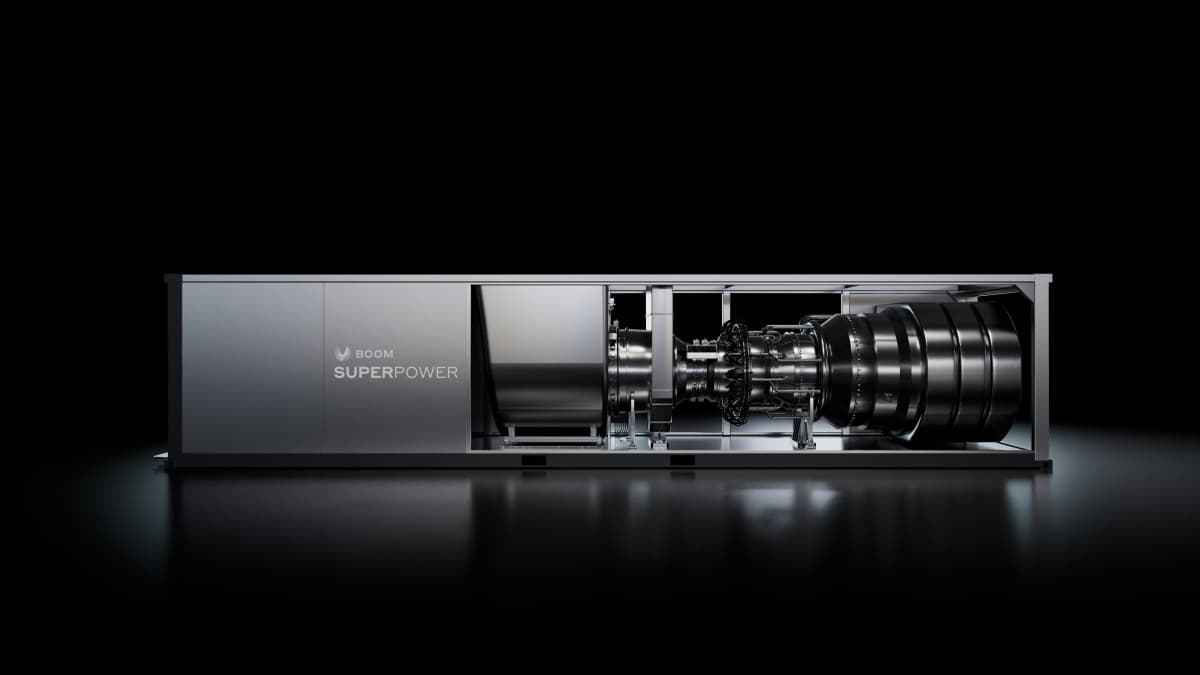
Crusoe abandons $1.25B plan to use Boom turbines at AI data centers
Crusoe's ambitious $1.25 billion plan to integrate Boom Supersonic turbines into AI data centers has been shelved, signaling a shift in strategy.
“Crusoe's decision to abandon the $1.25 billion turbine integration plan signals a significant shift in the energy strategy for AI data centers.”
Key takeaways
- Crusoe Energy has halted its $1.25 billion plan to integrate Boom Supersonic turbines.
- The decision reflects changing market dynamics and energy strategies in the tech industry.
- Companies must reassess their energy sourcing strategies in light of this development.
- The future of Crusoe Energy's innovation in sustainable energy solutions is now uncertain.
- Stakeholders should explore alternative technologies and partnerships for energy efficiency.
Crusoe Energy, a company known for its innovative approach to harnessing natural gas for energy-intensive data centers, has officially abandoned its $1.25 billion plan to utilize Boom Supersonic's stationary power plants. This decision marks a significant pivot for Crusoe, which had envisioned a future where these advanced turbines would power AI data centers, potentially revolutionizing the energy landscape for tech companies. Blake Scholl, the CEO of Boom Supersonic, confirmed that the integration of these turbines into Crusoe's operations is no longer part of their near-term strategy, raising questions about the future of both companies and the broader implications for the AI and energy sectors.
The initial partnership between Crusoe and Boom Supersonic was celebrated as a forward-thinking collaboration aimed at addressing the growing energy demands of AI data centers. As AI technologies continue to evolve, so too does their need for substantial computational power, which in turn requires a reliable and sustainable energy source. The Boom turbines, designed for efficiency and performance, seemed like a perfect fit for Crusoe's mission to reduce flaring and utilize stranded natural gas. However, with this recent announcement, the ambitious plans have been put on hold, leaving stakeholders to reassess their strategies in light of this development.
Key facts
| Field | Detail |
|---|---|
| Companies Involved | Crusoe Energy, Boom Supersonic |
| Initial Investment | $1.25 billion |
| Technology | Boom Supersonic stationary power plants |
| Decision Date | Recent announcement by Boom Supersonic CEO |
| Future Plans | Not currently part of Crusoe's near-term plans |
| Energy Focus | AI data centers and natural gas utilization |
| CEO of Boom | Blake Scholl |
| Industry Impact | Potential shifts in AI data center energy sourcing |
| Strategic Shift | Abandonment of turbine integration plans |
| Market Reaction | Uncertain, pending further developments |
Who's involved
The key players in this development are Crusoe Energy and Boom Supersonic. Crusoe Energy has built its reputation on leveraging natural gas to power data centers, aiming to mitigate environmental impacts while meeting the energy needs of the tech industry. Boom Supersonic, on the other hand, is known for its innovative approach to aviation technology, particularly in developing supersonic jets. The collaboration between these two companies aimed to merge cutting-edge aviation technology with the burgeoning AI data center market.
Background
Crusoe Energy has been at the forefront of integrating renewable energy sources into data center operations. The company's focus on utilizing stranded natural gas has positioned it as a leader in the energy sector, particularly in regions where natural gas flaring is prevalent. By harnessing this otherwise wasted resource, Crusoe has been able to provide a more sustainable energy solution for data centers, which are notorious for their high energy consumption. The partnership with Boom Supersonic was seen as a natural extension of this mission, aiming to further enhance energy efficiency and reduce carbon footprints.
Boom Supersonic's stationary power plants were designed to utilize advanced turbine technology, which promised to deliver high efficiency and low emissions. The initial excitement surrounding this partnership was fueled by the potential for these turbines to provide a reliable energy source for AI data centers, which are increasingly reliant on computational power. However, as the market dynamics shifted and the energy landscape evolved, the feasibility of this integration came into question, leading to the recent decision to abandon the plan.
The decision to halt the integration of Boom turbines into Crusoe's operations reflects a broader trend in the tech industry, where companies are reevaluating their energy strategies in light of changing market conditions and regulatory pressures. As AI technologies continue to advance, the demand for energy-efficient solutions will only increase, prompting companies to explore alternative energy sources and partnerships. This shift underscores the need for agility and adaptability in the rapidly evolving tech landscape.
What you can do with it
For stakeholders in the AI and energy sectors, this development presents several practical takeaways:
- Reassess Energy Strategies: Companies should evaluate their current energy sourcing strategies and consider alternative partnerships or technologies that align with their sustainability goals.
- Explore New Technologies: Look into emerging technologies that can provide efficient energy solutions for data centers, including renewable energy sources and innovative power generation methods.
- Stay Informed on Market Trends: Keep an eye on industry developments and shifts in energy policies that could impact data center operations and energy sourcing.
- Engage in Collaborative Efforts: Consider forming partnerships with companies that have complementary technologies or expertise to enhance energy efficiency and sustainability efforts.
What we're watching
As the energy landscape continues to evolve, the next significant milestone will be how Crusoe Energy adapts its strategy in the absence of the Boom turbine integration. The company may explore other energy solutions or partnerships to meet the growing demands of AI data centers. Additionally, the broader implications of this decision on the energy market and AI industry will be closely monitored, particularly as companies seek to balance energy needs with sustainability goals.
Looking ahead, the decision to abandon the $1.25 billion plan raises questions about the future of Crusoe Energy and its ability to innovate in a competitive market. The company will need to pivot quickly to maintain its position as a leader in sustainable energy solutions for data centers. As AI technologies continue to advance, the demand for energy-efficient solutions will only increase, prompting companies to explore alternative energy sources and partnerships. The outcome of this strategic shift will be pivotal in shaping the future of energy sourcing for AI data centers and the tech industry at large.
Source: TechCrunch - AI · Read original →
Instagram & TikTok: copy the link or quote and paste into a Story, Reel, or caption.
Digest
AI news by email
Curated stories with sources and takeaways. Confirm once — unsubscribe anytime.
Discussion
Comment here after signing in, or share the story to continue the conversation elsewhere.
Instagram & TikTok: copy the link and paste into a Story, Reel, or caption.
Log in or create an account to comment — Google / GitHub / X when those providers are configured.
No comments yet — start the thread.