

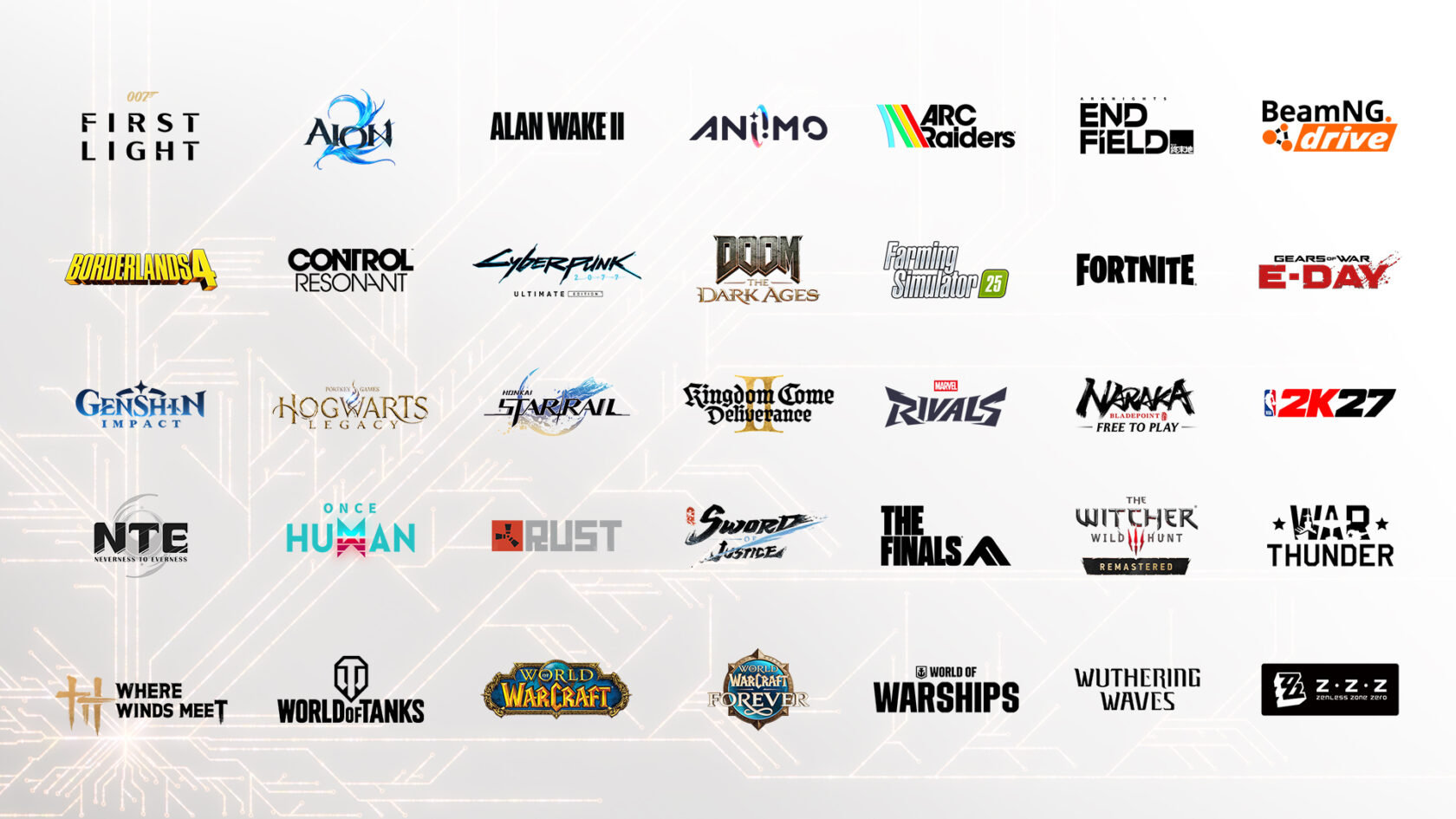
All Systems Go: Global PC App Ecosystem Ready for NVIDIA RTX Spark
NVIDIA's RTX Spark merges gaming, creativity, and AI capabilities into a single superchip, setting a new standard for PC applications.
“With 1 petaflop of AI compute power, the RTX Spark is set to redefine performance benchmarks across gaming and creative applications.”
Key takeaways
- NVIDIA has launched the RTX Spark, a superchip combining gaming, creative, and AI functionalities.
- The chip features up to 128GB of unified memory and 1 petaflop of AI compute power.
- The RTX Spark targets gamers, content creators, and AI developers, aiming for a versatile computing experience.
- This innovation could disrupt the PC ecosystem, challenging competitors like AMD and Intel to respond.
- The integration of advanced AI capabilities marks a significant shift in personal computing technology.
NVIDIA has officially unveiled its latest innovation, the RTX Spark, a groundbreaking superchip that promises to redefine the landscape of personal computing. This new chip integrates the functionalities of a gaming PC, a creative studio, and a personal AI supercomputer, all within a single unit. With an impressive capacity of up to 128GB of unified memory and the ability to deliver 1 petaflop of AI compute power, the RTX Spark is designed to cater to a wide range of applications, from high-end gaming to advanced AI tasks. This announcement marks a pivotal moment for NVIDIA as it seeks to solidify its position at the forefront of the rapidly evolving tech industry, particularly in the realms of artificial intelligence and graphics processing.
The RTX Spark is not just another incremental upgrade; it represents a significant leap forward in how users will interact with their PCs. By combining the power of NVIDIA's RTX technology with advanced AI capabilities, the Spark aims to provide a seamless experience for developers, gamers, and content creators alike. This integration is particularly timely, as the demand for powerful computing solutions continues to rise, driven by trends such as remote work, digital content creation, and the increasing prevalence of AI in everyday applications. NVIDIA's strategic move to consolidate these functionalities into a single chip could potentially disrupt the market, challenging competitors to keep pace with its innovation.
Key facts
| Field | Detail |
|---|---|
| Product Name | NVIDIA RTX Spark |
| Memory | Up to 128GB unified memory |
| AI Compute | 1 petaflop |
| Target Audience | Gamers, content creators, AI developers |
| Release Date | Announced October 2023 |
| Key Features | Integrated gaming, creative, and AI capabilities |
| Manufacturer | NVIDIA |
| Market Impact | Potential disruption in PC ecosystem |
| Competitive Landscape | Competing with AMD, Intel, and other chip manufacturers |
| Use Cases | Gaming, AI development, creative applications |
Who's involved
NVIDIA, a leader in graphics processing technology, is the primary player behind the RTX Spark. The company has a long history of innovation in the graphics card market and has recently expanded its focus to include AI and machine learning applications. Other key players in the ecosystem include software developers who will create applications optimized for the RTX Spark, as well as competitors such as AMD and Intel, who are likely to respond with their own innovations in the wake of this announcement.
The RTX Spark's introduction comes at a time when the demand for high-performance computing solutions is at an all-time high. As more industries adopt AI technologies, the need for powerful hardware that can handle complex computations and graphics rendering has become increasingly critical. NVIDIA's decision to combine these capabilities into a single chip is a strategic move that could set a new standard in the industry, pushing other manufacturers to innovate or risk falling behind.
Historically, NVIDIA has been known for its powerful GPUs, which have dominated the gaming market for years. The introduction of the RTX series marked a significant advancement in real-time ray tracing and AI-driven graphics. The RTX Spark takes this a step further by integrating AI capabilities directly into the hardware, allowing for more efficient processing and enhanced performance across a variety of applications. This shift reflects a broader trend in the tech industry, where the lines between gaming, creative work, and AI development are increasingly blurred.
The RTX Spark's architecture is designed to support a wide array of applications, making it suitable for both gamers and professionals in creative fields. For instance, content creators can leverage the chip's AI capabilities to enhance video editing, 3D rendering, and other resource-intensive tasks. Meanwhile, gamers can benefit from the improved graphics and performance that the RTX technology is known for. This dual focus on gaming and professional applications positions the RTX Spark as a versatile tool in the modern computing landscape.
How to read the numbers
While specific benchmark scores for the RTX Spark have not yet been released, the chip's specifications suggest a significant performance upgrade compared to previous generations. The combination of 128GB of unified memory and 1 petaflop of AI compute power indicates that the RTX Spark will be capable of handling demanding tasks with ease. As benchmarks become available, users will be able to assess the chip's performance across various applications, providing a clearer picture of its capabilities.
What you can do with it
- Explore gaming applications that leverage the RTX Spark's advanced graphics capabilities.
- Utilize the AI compute power for machine learning projects and AI-driven applications.
- Create high-quality content with enhanced video editing and rendering tools optimized for the RTX Spark.
- Develop software that takes advantage of the unified memory architecture for improved performance.
- Experiment with new gaming experiences that incorporate real-time ray tracing and AI enhancements.
What we're watching
As the RTX Spark begins to roll out, the tech community will be closely monitoring its adoption among developers and gamers. Key questions include how quickly software developers will optimize their applications for the new architecture and how competitors will respond to NVIDIA's bold move. Additionally, the impact of the RTX Spark on the broader PC ecosystem will be a focal point, particularly in terms of pricing and availability of competing products.
Looking ahead, the introduction of the RTX Spark could signal a new era in personal computing, where the boundaries between gaming, creative work, and AI development continue to blur. As users begin to explore the full potential of this superchip, it will be crucial to see how it influences the design and capabilities of future computing devices. The race for innovation in the tech industry is far from over, and NVIDIA's latest offering is likely to set the pace for what comes next.
Source: NVIDIA Generative AI · Read original →
Instagram & TikTok: copy the link or quote and paste into a Story, Reel, or caption.
Digest
AI news by email
Weekly Friday briefings plus midweek notes when models or research drop. Sources included — unsubscribe anytime.
Discussion
Comment here after signing in, or share the story to continue the conversation elsewhere.
Instagram & TikTok: copy the link and paste into a Story, Reel, or caption.
Log in or create an account to comment — Google / GitHub / X when those providers are configured.
No comments yet — start the thread.



