

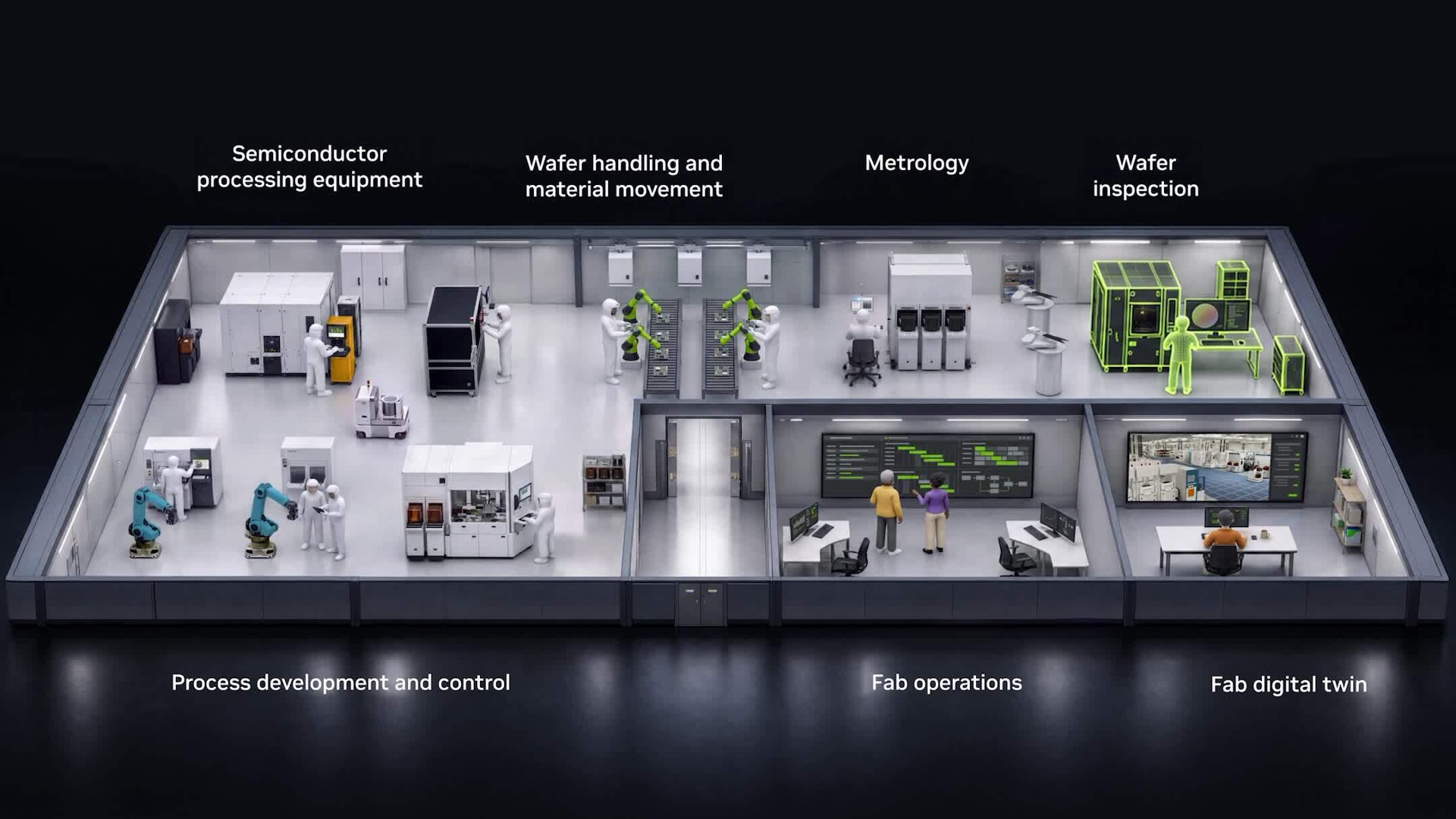
AI Is Changing How Semiconductor Fabs Work — and Engineers Are Moving Faster Because of It
AI is revolutionizing semiconductor fabrication, enabling engineers to innovate and adapt processes more rapidly than ever before.
“The integration of AI into semiconductor manufacturing allows engineers to predict outcomes and optimize processes with unprecedented precision, reducing the margin for error.”
Key takeaways
- AI technologies are streamlining semiconductor fabrication processes.
- Engineers can now predict material interactions and process changes more effectively.
- The complexity of chip designs is increasing, necessitating advanced manufacturing solutions.
- Major semiconductor companies are collaborating with AI firms to drive innovation.
- Faster time to market for new chips is a critical competitive advantage.
The semiconductor industry is undergoing a transformative shift as artificial intelligence (AI) technologies increasingly influence how semiconductor fabrication plants, or fabs, operate. With the demand for advanced chips soaring, the complexity of manufacturing processes has escalated dramatically. Engineers are now tasked with navigating intricate workflows that require a deep understanding of material interactions, process changes, and defect analysis. AI is stepping in to streamline these processes, allowing engineers to work faster and more efficiently, ultimately leading to improved production yields and reduced time to market.
As semiconductor fabs strive to keep pace with the rapid advancements in technology, the integration of AI tools has become essential. These tools are designed to assist engineers in predicting how changes in manufacturing processes will affect the final product. For instance, AI algorithms can analyze vast amounts of data generated during production to identify patterns and correlations that human engineers might overlook. This capability is particularly crucial in a landscape where even minor deviations can lead to significant defects or performance issues in the final chips.
The urgency for innovation in semiconductor manufacturing is underscored by the increasing complexity of chips themselves. As devices become more powerful and compact, the processes required to fabricate them have become more intricate. Engineers must now consider a multitude of factors, including the interaction of various materials, the impact of new manufacturing steps, and the intricate mapping of defects back to their root causes. AI tools are proving invaluable in this context, enabling engineers to simulate and optimize these processes before they are implemented on the factory floor.
Key facts
| Field | Detail |
|---|---|
| Industry | Semiconductor Manufacturing |
| Key Technology | Artificial Intelligence |
| Impact | Faster engineering processes and improved yields |
| Challenges | Increasing complexity of chip designs |
| Benefits | Enhanced defect analysis and process optimization |
| Current Trend | Rising demand for advanced chips |
| Engineering Focus | Material interactions and process changes |
| AI Role | Predictive analytics and simulation |
| Future Outlook | Continued integration of AI in fabs |
| Market Need | Reduced time to market for new chips |
Who's involved
The semiconductor industry is a vast ecosystem that includes major players such as Intel, TSMC, Samsung, and NVIDIA, all of whom are investing heavily in AI technologies to enhance their manufacturing processes. Additionally, AI companies like Google and IBM are also contributing to this evolution by providing advanced machine learning tools that can be applied in semiconductor fabrication. The collaboration between these tech giants and semiconductor manufacturers is crucial for driving innovation in this field.
The integration of AI into semiconductor manufacturing is not entirely new, but its application has gained momentum in recent years. Historically, fabs relied heavily on traditional engineering methods, which often involved manual data analysis and trial-and-error approaches. However, as the semiconductor industry faced mounting pressure to deliver more advanced chips at a faster pace, the limitations of these conventional methods became evident. The introduction of AI technologies marks a significant departure from these outdated practices, allowing for a more data-driven approach to manufacturing.
One of the key advancements in AI's role in semiconductor manufacturing is its ability to process and analyze large datasets generated during production. This capability enables engineers to gain insights into how different variables interact, which is essential for optimizing manufacturing processes. For example, AI can help identify the optimal conditions for a specific material to perform well in a given process, thereby reducing the likelihood of defects. This level of precision was previously unattainable with traditional methods, making AI a game-changer in the industry.
How to read the numbers
| Benchmark | Score |
|---|---|
| Yield Improvement | Not specified |
| Process Optimization Time | Not specified |
| Defect Reduction Rate | Not specified |
| AI Integration Speed | Not specified |
| Chip Design Complexity | Not specified |
While specific numerical benchmarks for AI's impact on semiconductor manufacturing are not readily available, the qualitative benefits are clear. Companies that have adopted AI technologies report significant improvements in yield rates and reductions in defect rates. Furthermore, the time required for process optimization has decreased, allowing engineers to bring new chip designs to market more quickly than ever before.
What you can do with it
- Explore AI tools that can analyze production data to identify patterns and optimize processes.
- Implement predictive analytics to foresee potential defects and mitigate risks in manufacturing.
- Collaborate with AI technology providers to integrate advanced machine learning algorithms into existing workflows.
- Invest in training for engineers to ensure they are equipped to leverage AI tools effectively.
- Stay informed about emerging AI technologies and their applications in semiconductor manufacturing.
What we're watching
As the semiconductor industry continues to evolve, one of the key areas to watch is the ongoing development of AI technologies specifically tailored for manufacturing applications. The next milestone will likely involve the introduction of more sophisticated AI models that can provide even deeper insights into process optimization and defect analysis. Additionally, the collaboration between semiconductor manufacturers and AI companies will be crucial in shaping the future landscape of the industry.
Looking ahead, the integration of AI into semiconductor fabs is expected to accelerate, driven by the relentless demand for more advanced chips. As engineers become increasingly reliant on AI tools, the potential for innovation in semiconductor manufacturing will continue to expand. The ability to quickly adapt to new materials and processes will be a defining factor in the success of semiconductor companies in the coming years. This shift not only enhances production efficiency but also positions companies to better meet the evolving needs of the technology market.
Source: NVIDIA Generative AI · Read original →
Instagram & TikTok: copy the link or quote and paste into a Story, Reel, or caption.
Digest
AI news by email
Weekly Friday briefings plus midweek notes when models or research drop. Sources included — unsubscribe anytime.
Discussion
Comment here after signing in, or share the story to continue the conversation elsewhere.
Instagram & TikTok: copy the link and paste into a Story, Reel, or caption.
Log in or create an account to comment — Google / GitHub / X when those providers are configured.
No comments yet — start the thread.


