

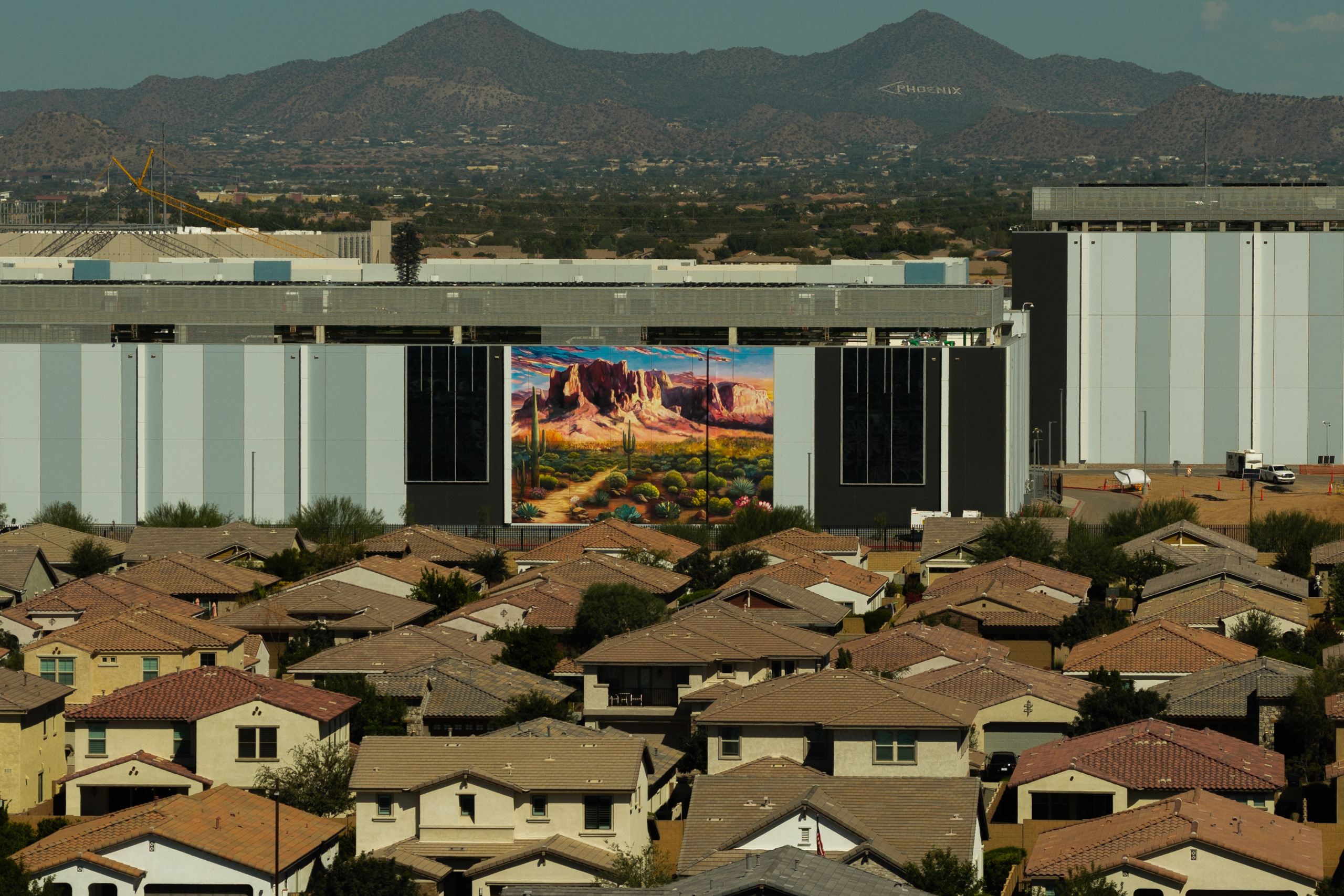
AI has come for Arizona’s water
Arizona faces a water crisis as tech giants push for data centers, igniting local opposition and raising ethical concerns.
“As Arizona faces a water crisis, the demand for data centers raises ethical questions about resource allocation and community impact.”
Key takeaways
- TSMC's Arizona facility consumes nearly 5 million gallons of water daily.
- A grassroots coalition is opposing new data center developments due to water concerns.
- Arizona is set to lose nearly 30% of its Colorado River water allotment.
- Local opposition emphasizes the need for sustainable economic development practices.
- Data centers are criticized for their lack of permanent jobs compared to semiconductor manufacturing.
In the arid expanse of Arizona, a significant clash is brewing between technological advancement and environmental sustainability. The Taiwan Semiconductor Manufacturing Company (TSMC), the world's leading microchip producer, has established a massive operation in Phoenix, consuming nearly 5 million gallons of water daily from the city's municipal supply. This investment, touted as a boon for the local economy, has sparked a wave of new data center proposals, which threaten to exacerbate the state's already precarious water situation. As the demand for data centers grows, so does the backlash from local residents who are increasingly concerned about the implications of such developments on their water resources and overall quality of life.
The TSMC facility, which represents the largest foreign direct investment in U.S. history, has transformed the economic landscape of Arizona. Initially projected to inject $12 billion into the local economy by 2029, TSMC's investment has ballooned to an astonishing $265 billion. This monumental growth has created thousands of jobs and spurred a wave of ancillary businesses, effectively revitalizing a region that struggled to recover from the Great Recession. However, the success of TSMC has also paved the way for a new wave of hyperscale data centers, which are now facing fierce opposition from a grassroots coalition of residents who fear the environmental consequences of such projects.
Key facts
| Field | Detail |
|---|---|
| Company | Taiwan Semiconductor Manufacturing Company (TSMC) |
| Daily Water Consumption | Nearly 5 million gallons |
| Investment | $265 billion projected in Arizona |
| Number of Jobs Created | Over 3,500 jobs |
| Number of Proposed Data Centers | 172 data centers in Arizona |
| Local Opposition | Grassroots coalition against data centers |
| Water Supply Source | Phoenix municipal supply |
| Expected Water Loss | 30% of Colorado River allotment |
| Community Concerns | Water scarcity, environmental impact |
| Project Blue | Proposed 600-megawatt data center in Tucson |
The players in this unfolding drama include not only TSMC but also local governments, data center developers, and a diverse coalition of residents. Christine Mackay, head of Phoenix's economic development office, played a pivotal role in bringing TSMC to Arizona, and her efforts have been met with both praise and scrutiny. While TSMC's presence has been largely welcomed, the new data center proposals are facing significant pushback. Residents are increasingly vocal about their concerns, citing the potential for water shortages and environmental degradation as key reasons for their opposition.
Historically, Arizona's economy has revolved around the “five C's”: cattle, copper, cotton, citrus, and climate. However, with the advent of TSMC and the subsequent push for data centers, a new “C” has emerged: chips. The semiconductor industry has become a cornerstone of Arizona's economic future, but it comes at a cost. As the state grapples with a prolonged drought and dwindling water resources, the implications of hosting water-intensive industries are becoming increasingly apparent.
The water crisis in Arizona is not a new phenomenon; it has been decades in the making. The Colorado River, which supplies a significant portion of the state's water, has been experiencing severe shortages due to climate change and over-allocation. With Arizona set to lose nearly 30% of its Colorado River allotment, the stakes are higher than ever. Residents are now faced with the harsh reality that their water supply is not only limited but also under threat from new industrial developments.
The players
- Taiwan Semiconductor Manufacturing Company (TSMC): The world's leading microchip producer, responsible for significant economic investment in Arizona.
- Beale Infrastructure: The developer behind Project Blue, a proposed 600-megawatt data center in Tucson.
- Christine Mackay: Head of Phoenix's economic development office, instrumental in attracting TSMC to Arizona.
- No Desert Data Center Coalition: A grassroots organization opposing new data center developments in Arizona.
As the debate over water usage intensifies, the contrast between TSMC and the proposed data centers becomes stark. TSMC's operations, while water-intensive, are perceived as more beneficial to the local economy due to job creation and investment. In contrast, data centers are often criticized for their lack of permanent jobs and their significant water consumption. For example, Google's facility in The Dalles, Oregon, uses approximately 1.5 million gallons of water daily, significantly less than TSMC's operations. This disparity has fueled local fears that data centers will consume resources without providing commensurate benefits to the community.
How to read the numbers
| Benchmark | Score |
|---|---|
| TSMC Daily Water Use | 5 million gallons |
| Proposed Data Center Water Use | 1.5 million gallons (Google) |
| Expected Water Loss from Colorado River | 30% |
| Jobs Created by TSMC | 3,500+ |
| Proposed Tax Revenue from Data Centers | $152 million over 10 years |
The implications of these developments extend beyond water usage. The rise of data centers has raised ethical questions about the sustainability of such industries in a region already grappling with climate change. Local activists argue that the focus should be on preserving water resources for residents rather than catering to the demands of tech giants. The No Desert Data Center Coalition has emerged as a vocal opponent of new data center projects, advocating for a more sustainable approach to economic development that prioritizes the needs of the community.
Practical takeaways
- Stay informed: Residents should keep abreast of local government meetings and proposals regarding data centers and water usage.
- Engage with local advocacy groups: Joining organizations like the No Desert Data Center Coalition can amplify community voices.
- Advocate for sustainable practices: Push for policies that prioritize water conservation and sustainable development in Arizona.
- Participate in community discussions: Attend town hall meetings to express concerns and engage with local leaders about water management.
What we're watching
As the situation evolves, the next key milestone will be the outcome of ongoing protests and community engagement efforts against Project Blue and similar data center developments. The local government’s response to these pressures will be crucial in shaping the future of Arizona's water policy and industrial landscape.
The future of Arizona hangs in the balance as the state navigates the complexities of technological advancement and environmental sustainability. With the water crisis looming, the decisions made today will have lasting implications for generations to come. The tension between economic growth and resource conservation will continue to shape the narrative in Arizona, as residents grapple with the reality of a changing climate and the demands of a burgeoning tech industry.
Source: The Verge - AI · Read original →
Instagram & TikTok: copy the link or quote and paste into a Story, Reel, or caption.
Digest
AI news by email
Weekly Friday briefings plus midweek notes when models or research drop. Sources included — unsubscribe anytime.
Discussion
Comment here after signing in, or share the story to continue the conversation elsewhere.
Instagram & TikTok: copy the link and paste into a Story, Reel, or caption.
Log in or create an account to comment — Google / GitHub / X when those providers are configured.
No comments yet — start the thread.


