Accelerating PyTorch distributed fine-tuning with Intel technologies
Intel's latest enhancements to PyTorch promise to speed up distributed fine-tuning by up to 50%.
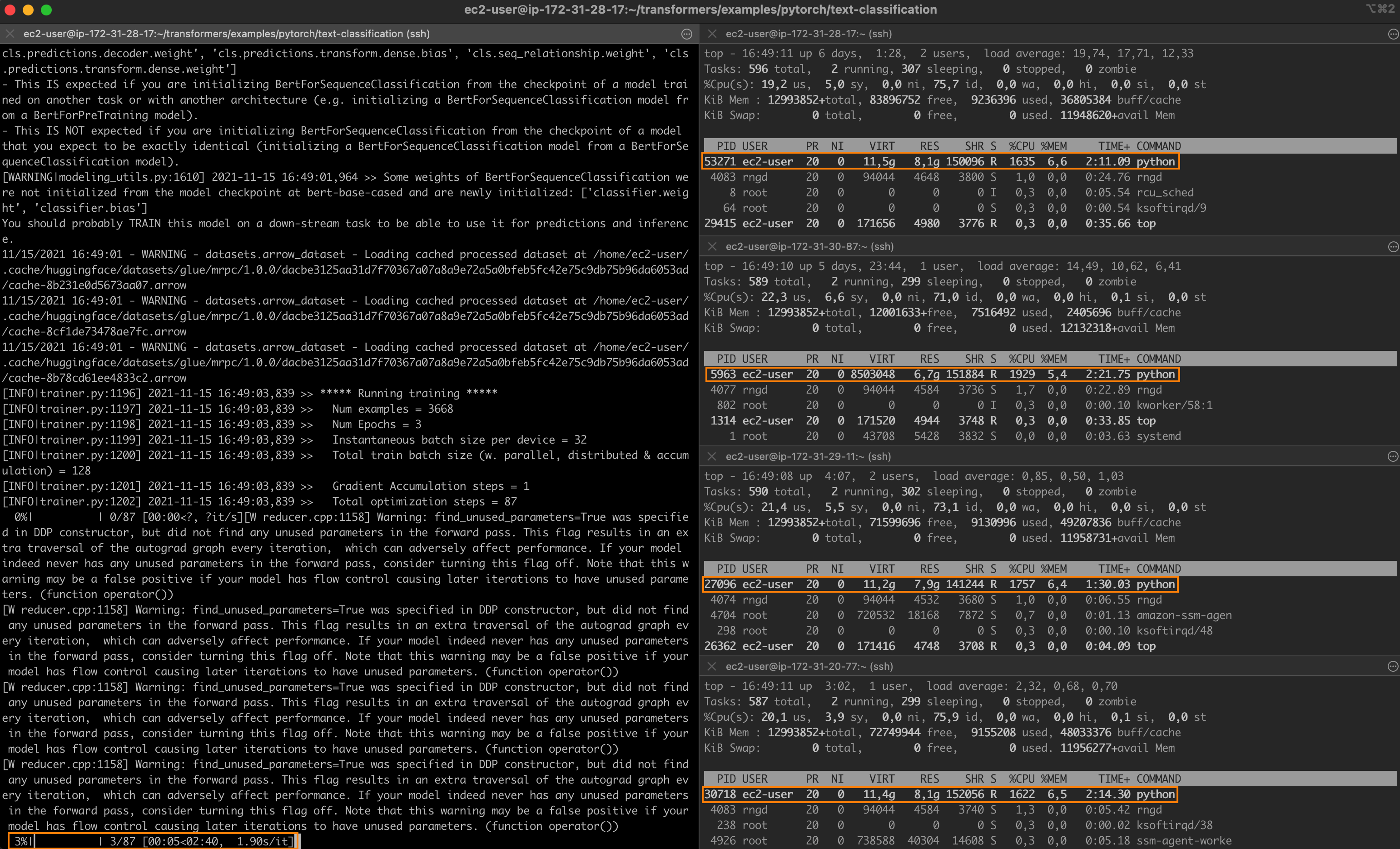
Intel has unveiled significant enhancements to the PyTorch framework, aimed at accelerating distributed fine-tuning processes. These improvements leverage Intel's cutting-edge technologies, which can reportedly boost performance by as much as 50%. This upgrade is particularly relevant for developers and researchers working on large-scale AI models, as it allows for more efficient training across multiple nodes, ultimately reducing the time required to bring models into production.
The enhancements are specifically optimized for Intel's CPUs and GPUs, ensuring that users can maximize resource utilization. By focusing on the hardware-software synergy, Intel aims to provide a seamless experience for those utilizing PyTorch for their machine learning projects. This move not only positions Intel as a key player in the AI ecosystem but also highlights the increasing importance of hardware optimization in the realm of deep learning.
Key facts
| Field | Detail |
|---|---|
| Performance Boost | Up to 50% faster distributed fine-tuning |
| Supported Hardware | Optimized for Intel CPUs and GPUs |
| Use Case | Large-scale model training across multiple nodes |
| Framework | Enhancements made to PyTorch |
| Target Audience | Developers and researchers in AI/ML |
The advancements in PyTorch come at a time when the demand for faster and more efficient AI model training is at an all-time high. As organizations increasingly rely on AI to drive insights and decision-making, the ability to fine-tune models quickly can significantly impact their competitive edge. This trend mirrors previous developments in the industry, such as NVIDIA's introduction of TensorRT for optimizing deep learning inference, which also aimed to enhance performance and efficiency in AI workflows.
Looking ahead, the integration of Intel's technologies into PyTorch sets the stage for a new era of AI model training. As more developers adopt these enhancements, we can expect to see a ripple effect across various sectors, from healthcare to finance, where rapid deployment of AI solutions can lead to transformative changes. The next steps will involve monitoring how these improvements are received by the community and whether they lead to broader adoption of Intel's hardware solutions in AI applications.
Source: Hugging Face Blog · Read original →
Discussion
Comment here after signing in, or share the story to continue the conversation elsewhere.
Instagram & TikTok: copy the link and paste into a Story, Reel, or post caption.
Log in or create an account to comment — Google / GitHub / X when those providers are configured.
No comments yet — start the thread.