Accelerate Large Model Training using PyTorch Fully Sharded Data Parallel
PyTorch's new Fully Sharded Data Parallel accelerates large model training, optimizing memory usage and speed.
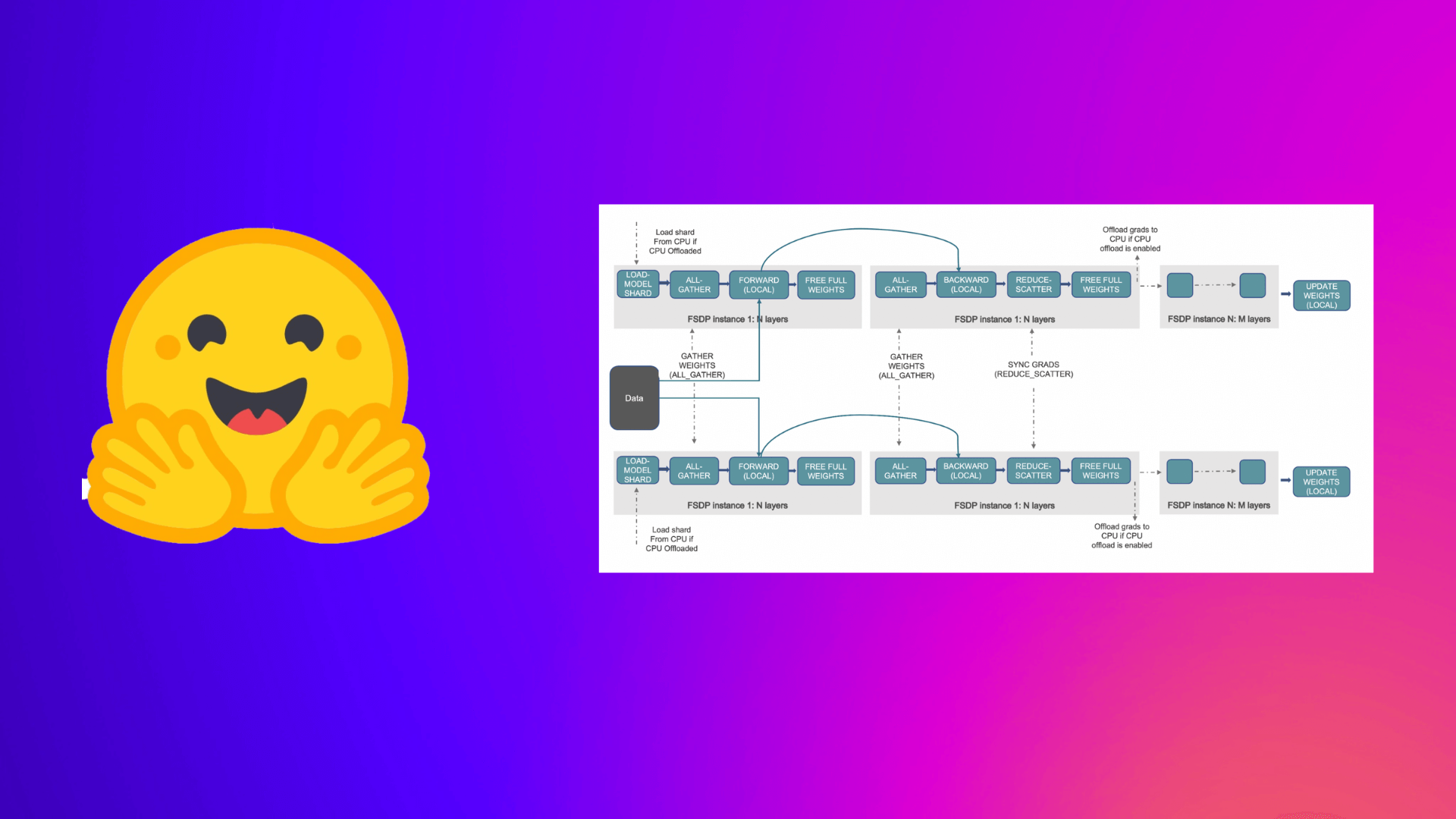
PyTorch has unveiled a groundbreaking feature called Fully Sharded Data Parallel (FSDP), designed to enhance the training process for large-scale models. This new approach addresses a critical limitation faced by developers: the inability to train models that exceed the memory capacity of available GPUs. By distributing model shards across multiple devices, FSDP significantly reduces memory usage, allowing developers to push the boundaries of model size and complexity without being constrained by hardware limitations.
The introduction of FSDP comes at a time when the demand for larger and more sophisticated AI models is surging. As organizations increasingly rely on deep learning for various applications, the need for efficient training methods has never been more pressing. PyTorch's latest feature not only facilitates the training of larger models but also enhances the overall speed of the training process, making it a game-changer for researchers and developers alike. With FSDP, teams can expect to see a marked improvement in their training times, which is crucial for maintaining competitiveness in the rapidly evolving AI landscape.
Key facts
| Field | Detail |
|---|---|
| Feature | Fully Sharded Data Parallel (FSDP) |
| Purpose | Accelerate large model training |
| Memory Usage | Reduces by distributing model shards across devices |
| Model Size Capability | Enables training of models larger than GPU memory |
| Training Speed Improvement | Significant for large-scale models |
The broader implications of FSDP extend beyond just memory efficiency and speed. This feature is particularly relevant in the context of the ongoing arms race in AI model development, where larger models often translate to better performance in tasks such as natural language processing and computer vision. Prior to this, developers frequently faced challenges when attempting to scale their models, often resorting to complex workarounds or compromising on model size. FSDP streamlines this process, allowing for a more straightforward approach to scaling, which can lead to more innovative applications of AI technology.
As the AI community continues to explore the potential of large models, the introduction of FSDP is likely to inspire further advancements in model architectures and training methodologies. The ability to train larger models not only enhances the capabilities of AI systems but also opens up new avenues for research and application. Looking ahead, developers will be eager to see how this feature integrates with existing workflows and whether it can be combined with other emerging technologies to push the boundaries of what is possible in AI development.
Source: Hugging Face Blog · Read original →
Discussion
Comment here after signing in, or share the story to continue the conversation elsewhere.
Instagram & TikTok: copy the link and paste into a Story, Reel, or post caption.
Log in or create an account to comment — Google / GitHub / X when those providers are configured.
No comments yet — start the thread.