π0 and π0-FAST: Vision-Language-Action Models for General Robot Control
Hugging Face unveils π0 and π0-FAST models to enhance robot control through vision and language integration.
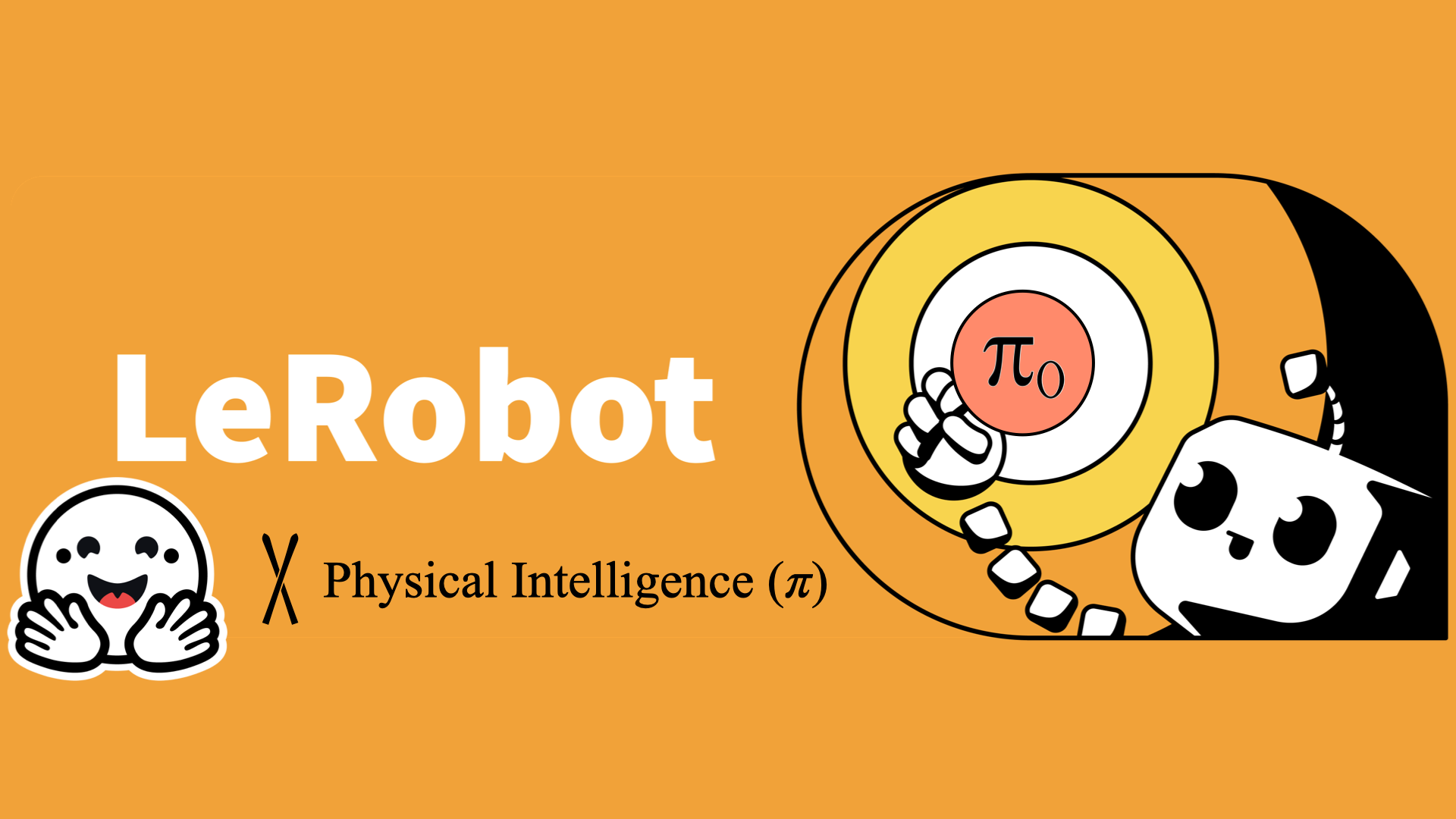
Hugging Face has introduced two groundbreaking models, π0 and π0-FAST, designed to significantly enhance robot control capabilities by integrating vision and language processing. These models are set to revolutionize how robots understand and execute complex actions in various environments, making them more adaptable and efficient. By leveraging advanced machine learning techniques, these models allow robots to interpret visual data alongside natural language instructions, which is crucial for performing tasks that require a nuanced understanding of both visual and verbal cues.
The development of π0 and π0-FAST is a response to the growing demand for more intelligent robotic systems that can operate in dynamic settings. Traditional robotic systems often struggle with ambiguity in instructions or the variability of real-world environments. With the introduction of these models, Hugging Face aims to bridge the gap between human communication and robotic execution, enabling robots to better understand context and intent. This advancement is particularly relevant in fields such as autonomous navigation, industrial automation, and service robotics, where the ability to interpret complex instructions can lead to improved performance and safety.
Key facts
| Field | Detail |
|---|---|
| Model Names | π0 and π0-FAST |
| Functionality | Integrate vision and language for robotics |
| Applications | General robot control in diverse environments |
| Key Features | Understand and execute complex actions |
| Developer | Hugging Face |
| Release Date | Announced, availability details pending |
The introduction of these models comes at a time when the robotics industry is increasingly focused on creating systems that can operate autonomously in unpredictable environments. Prior to this, models like OpenAI's CLIP have shown the potential of combining vision and language, but π0 and π0-FAST take this a step further by emphasizing action execution. This means that robots can not only recognize objects and understand commands but also perform tasks based on that understanding, which is a significant leap forward in robotic capabilities.
Moreover, the implications of these models extend beyond mere functionality; they also pave the way for more intuitive human-robot interactions. As robots become more capable of understanding natural language, the barrier between human operators and robotic systems diminishes. This could lead to widespread adoption in various sectors, including healthcare, where robots could assist in patient care by following verbal instructions, or in logistics, where they could navigate complex environments based on spoken commands.
Looking ahead, the next steps for Hugging Face involve refining these models and gathering feedback from early adopters to enhance their performance. The robotics community is keenly observing how these models will be integrated into existing systems and what new applications will emerge as a result. As developers begin to experiment with π0 and π0-FAST, the potential for innovative robotic solutions that can seamlessly blend perception, understanding, and action is on the horizon.
Source: Hugging Face Blog · Read original →
Discussion
Comment here after signing in, or share the story to continue the conversation elsewhere.
Instagram & TikTok: copy the link and paste into a Story, Reel, or post caption.
Log in or create an account to comment — Google / GitHub / X when those providers are configured.
No comments yet — start the thread.