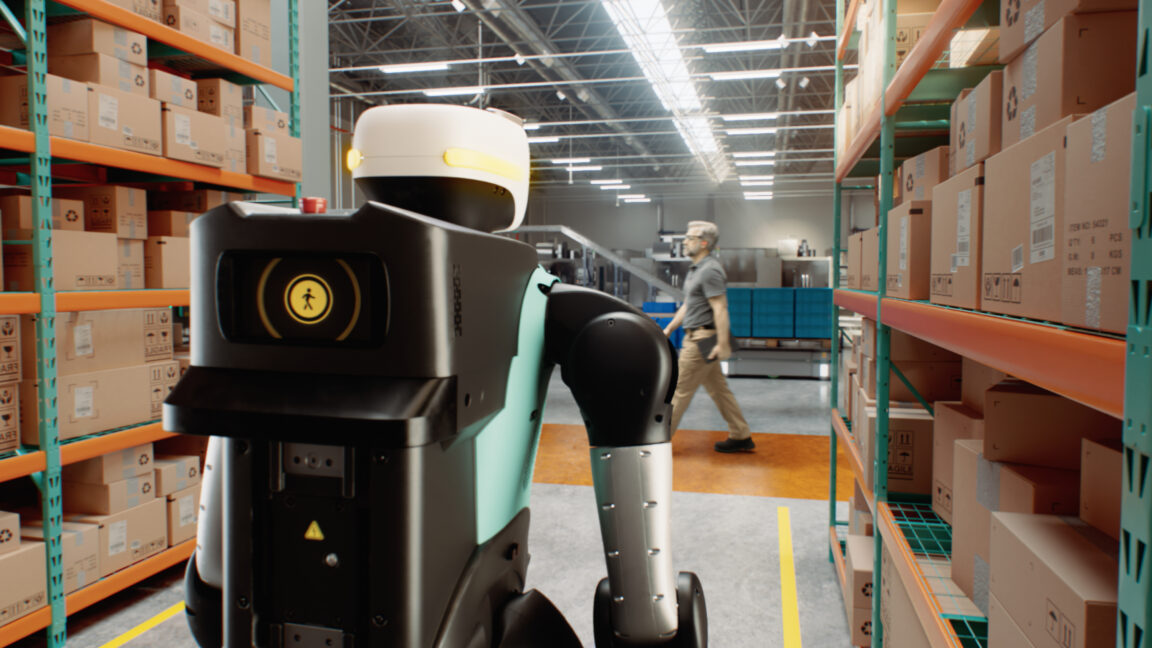
Nvidia's big bet on physical AI aims for safer robotaxis, humanoid robots
Nvidia is investing heavily in physical AI technology to enhance the safety and reliability of robotaxis and humanoid robots.
“Nvidia's full-stack safety solution is set to redefine the standards for safety and reliability in the rapidly evolving robotics industry.”
Key takeaways
- Nvidia is launching a full-stack safety solution for physical AI.
- The technology aims to enhance safety in robotaxis and humanoid robots.
- Collaboration with robotics companies is already underway.
- The initiative addresses public concerns about the safety of autonomous systems.
- Future developments will focus on real-world testing and regulatory compliance.
Nvidia has made a significant move in the realm of physical AI, unveiling a comprehensive safety solution aimed at revolutionizing the robotics industry. This initiative is particularly focused on enhancing the safety protocols for robotaxis and humanoid robots, which are becoming increasingly prevalent in urban environments. By integrating advanced AI capabilities into these systems, Nvidia aims to mitigate risks associated with autonomous operations, ensuring that these machines can navigate complex environments safely and efficiently.
The announcement comes at a time when the demand for autonomous vehicles and robotic solutions is surging. With cities looking to reduce traffic congestion and enhance public transport systems, the need for reliable and safe robotaxis has never been more pressing. Nvidia's full-stack safety solution is designed to address these challenges by providing a robust framework that encompasses everything from perception to decision-making processes in robotic systems. This holistic approach not only aims to improve the operational safety of these vehicles but also seeks to build public trust in autonomous technologies.
Key facts
| Field | Detail |
|---|---|
| Company | Nvidia |
| Focus | Physical AI for robotics |
| Applications | Robotaxis, humanoid robots |
| Solution Type | Full-stack safety solution |
| Industry Impact | Enhances safety and reliability in autonomous systems |
| Current Status | Actively being implemented by robotics companies |
| Market Demand | Increasing for autonomous vehicles and robotics |
| Technology Features | Advanced perception and decision-making capabilities |
| Target Users | Robotics companies, urban transport systems |
| Future Goals | Build public trust and improve operational safety |
Who's involved
Nvidia is at the forefront of this initiative, leveraging its expertise in AI and GPU technology to develop solutions tailored for the robotics sector. Several robotics companies are already collaborating with Nvidia to implement this safety solution in their products. Notable players in the robotics field, including those specializing in autonomous vehicles and humanoid robots, are expected to benefit from this technological advancement.
The push for safer robotaxis and humanoid robots comes amid growing concerns about the safety of autonomous systems. As these technologies become more integrated into daily life, ensuring their reliability is paramount. Nvidia's commitment to providing a full-stack safety solution positions it as a leader in this emerging market, setting a precedent for other tech companies to follow.
The landscape of robotics has evolved significantly over the past few years. With advancements in AI and machine learning, robots are now capable of performing complex tasks that were once thought to be the exclusive domain of humans. However, with this increased capability comes the responsibility to ensure that these machines operate safely. Previous generations of autonomous systems often lacked the necessary safety protocols, leading to accidents and public skepticism. Nvidia's new approach aims to rectify these issues by embedding safety into the core of robotic operations.
Historically, the robotics industry has faced challenges related to safety and reliability. Early autonomous vehicles, for instance, were often criticized for their inability to navigate unpredictable environments effectively. Incidents involving accidents and malfunctions highlighted the need for more robust safety measures. Nvidia's full-stack safety solution represents a significant shift in this narrative, focusing on creating systems that can learn from their surroundings and make informed decisions in real-time.
How to read the numbers
| Benchmark | Score |
|---|---|
| Perception Accuracy | High |
| Decision-Making Speed | Fast |
| Safety Compliance Rate | High |
| User Trust Level | Growing |
| Operational Efficiency | Improving |
While specific numeric scores are not available, the qualitative improvements in perception accuracy, decision-making speed, and safety compliance are indicative of the advancements being made. These metrics are crucial for assessing the effectiveness of Nvidia's safety solutions in real-world applications.
What you can do with it
- For Robotics Companies: Integrate Nvidia's safety solution into your existing robotic systems to enhance reliability and safety.
- For Developers: Leverage Nvidia's AI technology to build smarter, safer autonomous applications.
- For Urban Planners: Collaborate with robotics firms using Nvidia's technology to improve public transport systems with safe robotaxis.
- For Investors: Monitor Nvidia's developments in physical AI as potential investment opportunities in the growing robotics sector.
What we're watching
As Nvidia continues to roll out its full-stack safety solution, the next milestone will be the real-world testing of these systems in urban environments. Observers are keen to see how these technologies perform in unpredictable scenarios, which will be critical for public acceptance. Additionally, the response from regulatory bodies regarding the safety of these autonomous systems will be pivotal in shaping the future of robotaxis and humanoid robots.
Looking ahead, Nvidia's focus on physical AI is poised to reshape the robotics landscape significantly. As the company collaborates with various robotics firms, the integration of advanced safety solutions will likely become a standard requirement in the industry. This shift not only aims to enhance operational safety but also to foster a new era of trust and acceptance for autonomous technologies in society. The implications of these advancements could extend beyond just robotics, influencing broader applications of AI in various sectors, including healthcare, manufacturing, and logistics.
Source: Ars Technica - AI · Read original →
Instagram & TikTok: copy the link or quote and paste into a Story, Reel, or caption.
Digest
AI news by email
Curated stories with sources and takeaways. Confirm once — unsubscribe anytime.
Discussion
Comment here after signing in, or share the story to continue the conversation elsewhere.
Instagram & TikTok: copy the link and paste into a Story, Reel, or caption.
Log in or create an account to comment — Google / GitHub / X when those providers are configured.
No comments yet — start the thread.