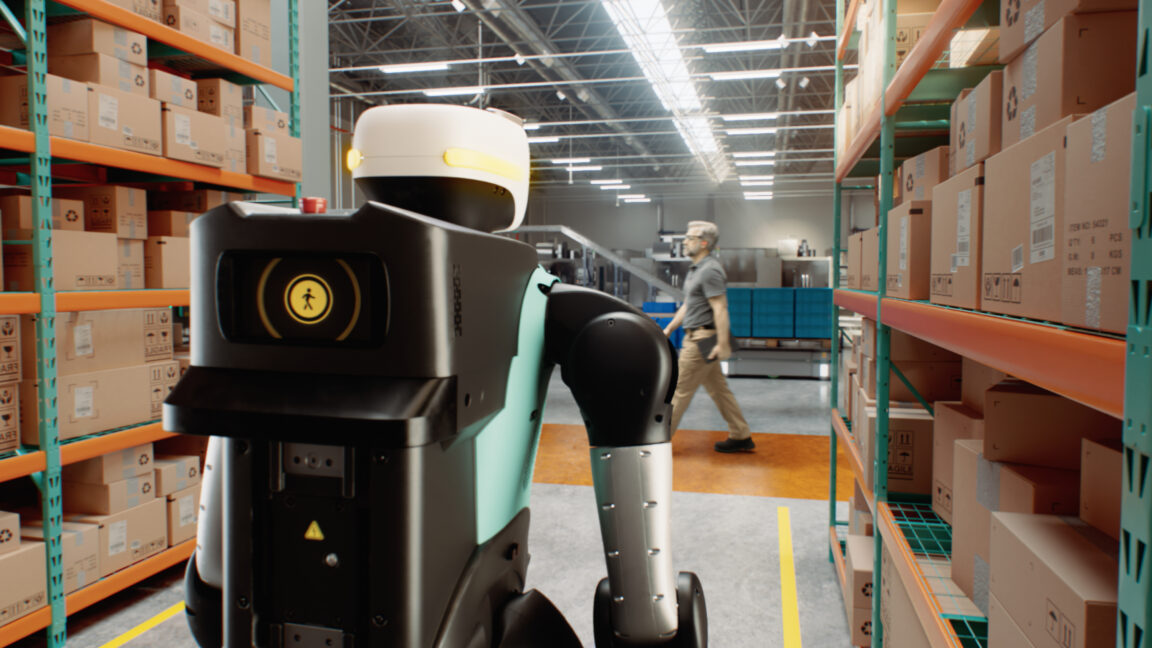
AI breakthroughs in robotics won’t change your life any time soon
Despite impressive advancements, AI robotics are unlikely to transform daily life in the near future.
“Despite impressive advancements, humanoid robots are not ready to transform daily life, facing significant barriers to practical application.”
Key takeaways
- Humanoid robots are gaining attention but are not yet practical for everyday use.
- Cost and public acceptance are major barriers to integration.
- Current advancements focus on interaction, not utility.
- Collaboration between tech organizations is essential for progress.
Recent developments in AI robotics have captured the public's imagination, particularly with the emergence of humanoid robots that can perform a variety of tasks, from dancing to engaging in conversation. One such robot, characterized by its white body and black head and torso, has been making waves across social media platforms, showcasing its capabilities in a series of viral videos. However, while these robots demonstrate remarkable technological feats, experts caution that they are not poised to revolutionize everyday life anytime soon. The gap between demonstration and practical application remains significant, and the challenges of integrating such technology into daily routines are still formidable.
The collaboration between MIT Technology Review and Aventine sheds light on the current state of AI robotics, emphasizing that while the technology is advancing rapidly, it is still in its infancy when it comes to real-world applications. The humanoid robot, often seen dancing or performing simple tasks, serves more as a spectacle than a practical solution to everyday problems. This raises important questions about the expectations placed on AI robotics and the timeline for their integration into society. As researchers and developers continue to push the boundaries of what these machines can do, the reality of their impact on our lives remains a complex and nuanced issue.
Key facts
| Field | Detail |
|---|---|
| Robot Type | Humanoid robot with a white body and black head and torso |
| Recent Activity | Featured in viral videos showcasing dancing and basic interactions |
| Collaboration | MIT Technology Review and Aventine |
| Current Status | Advanced in capabilities but limited in practical applications |
| Public Perception | High interest and excitement, but skepticism about real-world use |
| Development Stage | Early stage of integration into everyday life |
| Challenges | Integration into daily routines, cost, and public acceptance |
| Future Outlook | Uncertain timeline for widespread adoption |
The players
Several key players are involved in the development and promotion of AI robotics. MIT Technology Review, a leading source of technology news and analysis, collaborates with Aventine, a non-profit research foundation focused on the intersection of technology and society. These organizations aim to provide insights into how advancements in AI and robotics are shaping our lives, while also addressing the challenges and limitations of these technologies.
The humanoid robots themselves are often developed by various tech companies and research institutions, each contributing to the evolving landscape of robotics. However, despite the excitement surrounding these robots, there remains a significant gap between their capabilities and the practical needs of users in everyday scenarios.
The landscape of AI robotics is not entirely new; previous generations of robots have attempted to integrate into various sectors, from manufacturing to healthcare. However, the current wave of humanoid robots represents a shift towards more interactive and human-like machines. Unlike their predecessors, which were often limited to specific tasks, these new robots are designed to engage with people in more dynamic ways. Yet, the transition from novelty to utility has proven to be a slow process, and many hurdles remain.
One of the most significant challenges facing the integration of AI robotics into daily life is the cost associated with developing and deploying these technologies. While advancements in AI have made it possible to create robots that can perform complex tasks, the financial investment required for widespread adoption remains a barrier. Additionally, public acceptance plays a crucial role in determining how quickly these robots can be integrated into society. Many people are still skeptical about the safety and reliability of humanoid robots, which can hinder their acceptance in everyday environments.
How to read the numbers
| Benchmark | Score |
|---|---|
| Human-like interaction | N/A |
| Task performance | N/A |
| Public acceptance level | N/A |
| Cost of development | N/A |
| Integration into daily life | N/A |
Currently, there are no quantifiable scores available for the performance of humanoid robots in practical applications, as the technology is still evolving. Researchers are focusing on qualitative assessments of their capabilities, such as human-like interaction and task performance, but these metrics are not yet standardized or widely reported.
What you can do with it
- Stay informed about advancements in AI robotics through reputable sources like MIT Technology Review.
- Engage in discussions about the ethical implications of humanoid robots in society.
- Explore opportunities for collaboration with tech companies and research institutions in the field of robotics.
- Consider the potential applications of AI robotics in your industry and how they might enhance productivity.
What we're watching
As researchers continue to develop humanoid robots, we are closely monitoring the next milestones in their integration into everyday life. Key questions remain regarding the timeline for widespread adoption and the potential for these robots to address specific needs in various sectors. The ongoing dialogue about public acceptance and ethical considerations will also shape the future of AI robotics.
Looking ahead, the development of humanoid robots is likely to continue at a rapid pace, but the transition from novelty to practical application will require overcoming significant barriers. As these technologies evolve, it will be crucial to address the concerns of potential users and ensure that the benefits of AI robotics are accessible to all. The journey from the lab to the living room is fraught with challenges, but the potential for transformative change remains a tantalizing prospect.
Source: MIT Technology Review - AI · Read original →
Instagram & TikTok: copy the link or quote and paste into a Story, Reel, or caption.
Digest
AI news by email
Curated stories with sources and takeaways. Confirm once — unsubscribe anytime.
Discussion
Comment here after signing in, or share the story to continue the conversation elsewhere.
Instagram & TikTok: copy the link and paste into a Story, Reel, or caption.
Log in or create an account to comment — Google / GitHub / X when those providers are configured.
No comments yet — start the thread.