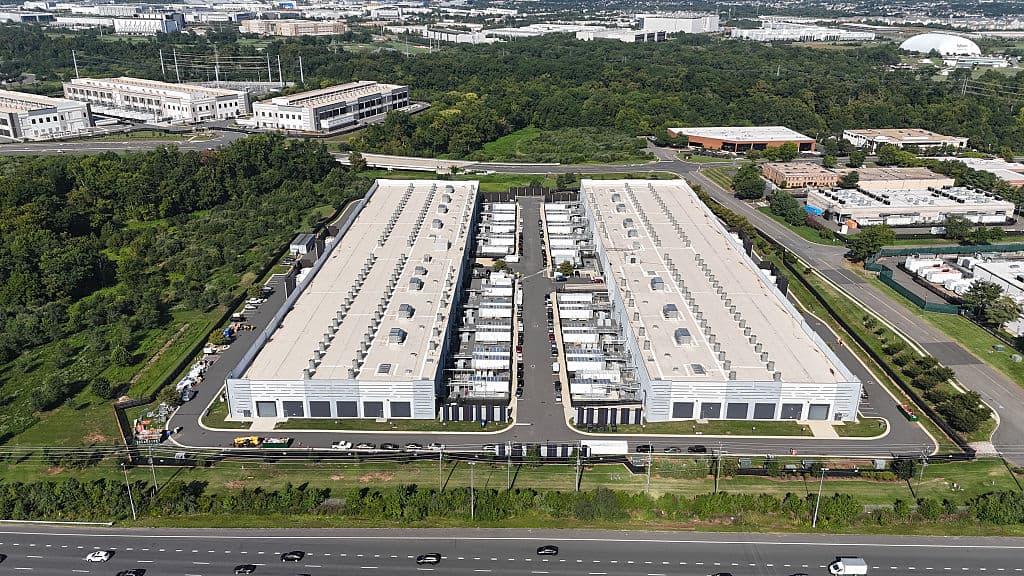
Amazon’s $1B plan to combat data center backlash draws more backlash
Amazon's ambitious $1 billion initiative to address data center concerns faces criticism for minimizing pollution issues.
“Amazon's ambitious $1 billion initiative to address data center concerns faces criticism for minimizing pollution issues.”
Amazon's recent announcement of a $1 billion plan aimed at addressing the backlash surrounding its data centers has sparked a wave of criticism, particularly regarding its handling of environmental concerns. The tech giant has been under increasing scrutiny for its data centers' environmental impact, which are known to consume vast amounts of energy and contribute significantly to carbon emissions. In a bid to improve its public image and address these concerns, Amazon has pledged to invest heavily in renewable energy sources and sustainable practices. However, this initiative has been met with skepticism, as many believe the company is downplaying the pollution generated by its operations.
The backlash against Amazon's data centers is not new. Over the past few years, environmental activists and local communities have raised alarms about the ecological footprint of these facilities. Critics argue that while Amazon touts its commitment to sustainability, the reality is that its data centers are often powered by fossil fuels, contributing to air and water pollution. The company's recent decision to end non-disclosure agreements (NDAs) with local governments regarding data center operations was seen as a positive step. However, many feel that this move does not adequately address the broader environmental issues at play.
Key facts
| Field | Detail |
|---|---|
| Announcement Date | October 2023 |
| Investment Amount | $1 billion |
| Focus Areas | Renewable energy, sustainable practices, community engagement |
| Criticism | Downplaying pollution, insufficient transparency |
| Previous NDAs | Ended to improve communication with local governments |
| Environmental Impact | Significant energy consumption, reliance on fossil fuels |
| Community Response | Mixed reactions, with some praising transparency and others criticizing pollution claims |
| Long-term Goals | Achieve net-zero carbon emissions by 2040 |
| Current Status | Ongoing backlash and scrutiny from environmental groups and local communities |
| Amazon's Commitment | Transition to 100% renewable energy by 2025 |
Who's involved
The key players in this ongoing situation include Amazon, environmental advocacy groups, local governments, and community organizations. Amazon, as the primary entity, is responsible for the operations and environmental impact of its data centers. Environmental groups such as Greenpeace and local activist organizations have been vocal critics of Amazon's practices, demanding greater accountability and transparency. Local governments, previously bound by NDAs, are now in a position to engage more openly with Amazon regarding the implications of its data centers on their communities.
The controversy surrounding Amazon's data centers is part of a broader conversation about the tech industry's environmental responsibility. Companies like Google and Microsoft have also faced similar scrutiny, prompting them to invest in renewable energy and commit to sustainability goals. However, critics argue that these commitments often fall short of addressing the immediate environmental impacts of their operations. Amazon's recent pledge to invest in sustainability is seen as a response to this growing pressure, but many question whether it will be enough to mitigate the damage already done.
In recent years, the tech industry has made strides toward sustainability, with many companies announcing ambitious goals to reduce their carbon footprints. For instance, Google has committed to operating on 24/7 carbon-free energy by 2030, while Microsoft aims to be carbon negative by 2030. These commitments set a high bar for Amazon, which has faced criticism for lagging behind its competitors in terms of environmental responsibility. The pressure is mounting for Amazon to not only meet its sustainability goals but also to be transparent about the environmental impact of its data centers.
How to read the numbers
| Benchmark | Score |
|---|---|
| Renewable Energy Usage | 40% |
| Carbon Emissions Reduction Goal | 50% by 2030 |
| Data Center Energy Consumption | 10% of total U.S. energy consumption |
| Community Engagement Programs | 5 active programs |
| Transparency Reports | Annual reports |
The numbers surrounding Amazon's environmental impact paint a concerning picture. Currently, approximately 40% of the energy used by Amazon's data centers comes from renewable sources, a figure that the company aims to increase significantly in the coming years. However, this still leaves a substantial portion of its energy consumption reliant on fossil fuels. The company's goal to reduce carbon emissions by 50% by 2030 is ambitious, but many critics argue that it does not go far enough in addressing the immediate environmental concerns raised by local communities.
What you can do with it
- Stay Informed: Follow updates on Amazon's sustainability initiatives and community engagement efforts.
- Engage with Local Advocacy Groups: Join or support local organizations that are working to hold Amazon accountable for its environmental impact.
- Advocate for Transparency: Encourage local governments to demand transparency from Amazon regarding its data center operations and environmental practices.
- Support Renewable Energy Initiatives: Consider supporting policies and initiatives that promote renewable energy in your community.
What we're watching
As Amazon moves forward with its $1 billion plan, the next significant milestone will be the release of its first comprehensive transparency report following the end of NDAs. This report will likely outline the company's progress in addressing environmental concerns and its commitment to renewable energy. Additionally, the response from local communities and environmental groups will be crucial in shaping the narrative around Amazon's sustainability efforts. The ongoing backlash may also prompt Amazon to adjust its strategies to better align with public expectations.
Looking ahead, the challenge for Amazon will be to balance its rapid growth with its environmental commitments. As the demand for cloud services continues to rise, the pressure on Amazon to improve its sustainability practices will only increase. The company must navigate these challenges while also addressing the concerns of local communities affected by its data centers. The outcome of this situation will have significant implications for Amazon's reputation and its ability to operate in various regions across the globe.
In conclusion, Amazon's $1 billion plan to combat data center backlash represents a critical moment for the company as it seeks to address growing environmental concerns. While the initiative has been praised for its commitment to renewable energy and transparency, the skepticism surrounding its effectiveness highlights the complexities of balancing corporate growth with environmental responsibility. As Amazon continues to face scrutiny, the path forward will require genuine engagement with local communities and a steadfast commitment to sustainability that goes beyond mere rhetoric.
Source: Ars Technica - AI · Read original →
Instagram & TikTok: copy the link or quote and paste into a Story, Reel, or caption.
Digest
AI news by email
Curated stories with sources and takeaways. Confirm once — unsubscribe anytime.
Discussion
Comment here after signing in, or share the story to continue the conversation elsewhere.
Instagram & TikTok: copy the link and paste into a Story, Reel, or caption.
Log in or create an account to comment — Google / GitHub / X when those providers are configured.
No comments yet — start the thread.