

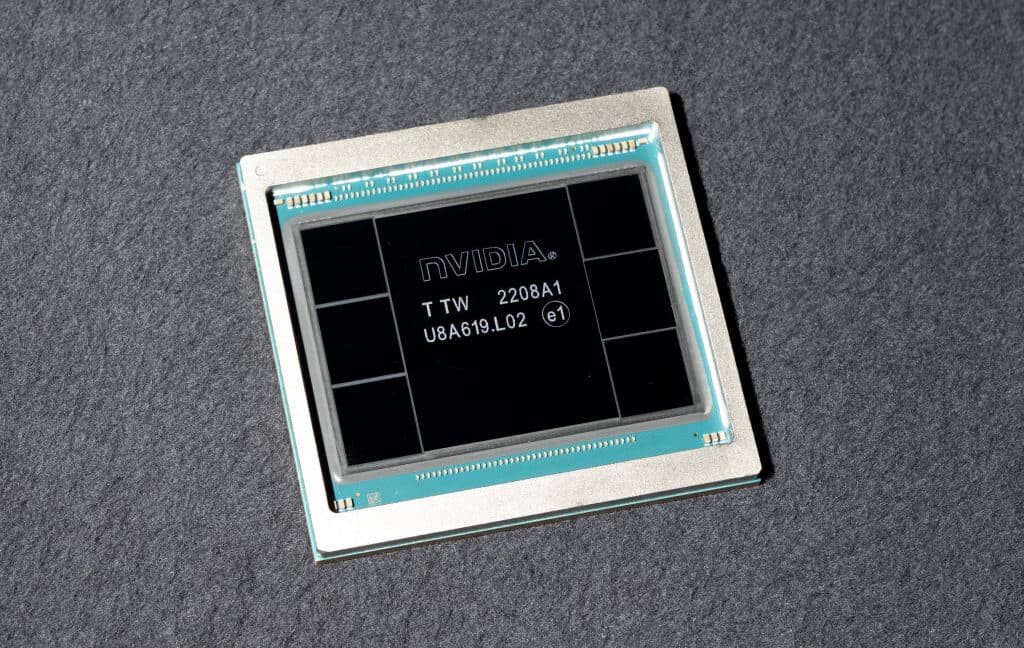
US arrests tech CEO accused of smuggling $300M in Nvidia chips into China
A tech CEO faces serious charges for allegedly smuggling Nvidia chips worth $300 million into China, highlighting ongoing concerns in the semiconductor industry.
“The arrest of a tech CEO for smuggling Nvidia chips underscores the high stakes and scrutiny in the global semiconductor industry.”
Key takeaways
- A tech CEO has been arrested for allegedly smuggling $300 million worth of Nvidia chips into China.
- The incident reflects ongoing tensions between the U.S. and China over semiconductor technology.
- Compliance with export regulations is critical for businesses operating in the semiconductor industry.
- The global demand for GPUs continues to rise, driven by advancements in AI and gaming.
- This case may set a precedent for future enforcement actions regarding technology export violations.
The recent arrest of a tech CEO in the United States has sent shockwaves through the semiconductor industry, particularly concerning Nvidia's high-demand chips. The CEO, who has not been publicly named, is accused of orchestrating a scheme to smuggle approximately $300 million worth of Nvidia graphics processing units (GPUs) into China. This incident underscores the growing tensions surrounding semiconductor technology, especially as nations vie for technological supremacy and security in the face of geopolitical challenges. The chips in question are crucial for various applications, including artificial intelligence, gaming, and data centers, making them highly sought after in international markets.
The arrest was made by U.S. authorities as part of a broader crackdown on illegal semiconductor exports. Nvidia, a leader in GPU manufacturing, has been at the center of scrutiny due to its pivotal role in AI and machine learning advancements. The company has implemented strict export controls to prevent its technology from falling into the hands of adversarial nations, particularly China, where there are concerns about military applications of AI technology. The CEO's alleged actions not only violate U.S. export laws but also raise questions about the integrity of supply chains and the lengths to which individuals may go to circumvent regulations.
Key facts
| Field | Detail |
|---|---|
| Arrest Date | October 2023 |
| Accused Individual | Tech CEO (name not disclosed) |
| Alleged Smuggling Amount | $300 million in Nvidia chips |
| Destination | China |
| Company Involved | Nvidia |
| U.S. Agency Involved | Department of Justice |
| Legal Charges | Export violations, conspiracy |
| Current Status | Awaiting trial |
| Industry Impact | Heightened scrutiny on semiconductor exports |
| Global Context | Ongoing U.S.-China tech tensions |
Who's involved
The key players in this unfolding story include Nvidia, a prominent American technology company known for its cutting-edge GPUs, and the U.S. Department of Justice, which is spearheading the investigation and legal proceedings against the accused CEO. The semiconductor industry at large is also a significant player, as this incident reflects broader concerns about supply chain integrity and national security. Additionally, the Chinese market remains a critical factor, given its demand for advanced technology and the geopolitical implications of technology transfer.
The semiconductor industry has been under increasing pressure due to the global chip shortage exacerbated by the COVID-19 pandemic and geopolitical tensions. Companies like Nvidia have been striving to meet demand while navigating complex regulatory environments. The arrest of the CEO serves as a stark reminder of the challenges faced by businesses operating in this high-stakes environment, where compliance with export regulations is paramount.
Historically, the U.S. has imposed strict export controls on advanced technology to prevent it from being used for military purposes by adversarial nations. This has led to a series of legal actions against individuals and companies attempting to bypass these regulations. The recent arrest is part of a larger trend, as authorities ramp up efforts to enforce compliance and protect national security interests. The semiconductor industry has seen similar cases in the past, with individuals facing severe penalties for attempting to smuggle technology abroad.
How to read the numbers
| Benchmark | Score |
|---|---|
| Nvidia Market Capitalization | $1 trillion (approx.) |
| Global GPU Market Growth | 25% CAGR (projected) |
| U.S. Semiconductor Exports | $50 billion (2022) |
| Chinese Semiconductor Imports | $300 billion (2022) |
| Estimated Chip Shortage Cost | $500 billion (2023) |
The numbers surrounding the semiconductor industry paint a picture of a rapidly evolving landscape. Nvidia's market capitalization, which hovers around $1 trillion, reflects the company's significant influence and the high demand for its products. The global GPU market is projected to grow at a compound annual growth rate (CAGR) of 25%, indicating robust demand driven by advancements in AI and gaming technologies. In contrast, the U.S. semiconductor exports totaled approximately $50 billion in 2022, while China imported around $300 billion worth of semiconductors, highlighting the critical nature of these components in global trade.
What you can do with it
- Stay Informed: Keep abreast of developments in semiconductor regulations and export controls that may affect your business.
- Evaluate Supply Chains: Assess your supply chain for compliance with U.S. export regulations, especially if dealing with high-tech components.
- Engage Legal Counsel: Consult with legal experts specializing in export law to ensure compliance and mitigate risks associated with international trade.
- Monitor Industry Trends: Follow trends in the semiconductor market to anticipate shifts in demand and potential regulatory changes.
What we're watching
As the legal proceedings against the tech CEO unfold, the semiconductor industry will be closely monitoring the implications for export regulations and compliance standards. The outcome of this case could set a precedent for future enforcement actions and influence how companies manage their international operations. Additionally, the ongoing tensions between the U.S. and China regarding technology transfer will likely continue to shape the landscape, with potential ramifications for global supply chains.
Looking ahead, the semiconductor industry faces a critical juncture as it navigates the complexities of international trade and regulatory compliance. The arrest of the CEO serves as a stark reminder of the challenges that companies must confront in an increasingly competitive and scrutinized environment. As nations continue to prioritize technological advancements and security, the stakes for semiconductor manufacturers and distributors will only rise, making compliance and ethical practices more crucial than ever. The coming months will reveal how this incident influences policy changes and industry practices, shaping the future of semiconductor trade and technology transfer.
Source: Ars Technica - AI · Read original →
Instagram & TikTok: copy the link or quote and paste into a Story, Reel, or caption.
Digest
AI news by email
Curated stories with sources and takeaways. Confirm once — unsubscribe anytime.
Discussion
Comment here after signing in, or share the story to continue the conversation elsewhere.
Instagram & TikTok: copy the link and paste into a Story, Reel, or caption.
Log in or create an account to comment — Google / GitHub / X when those providers are configured.
No comments yet — start the thread.


