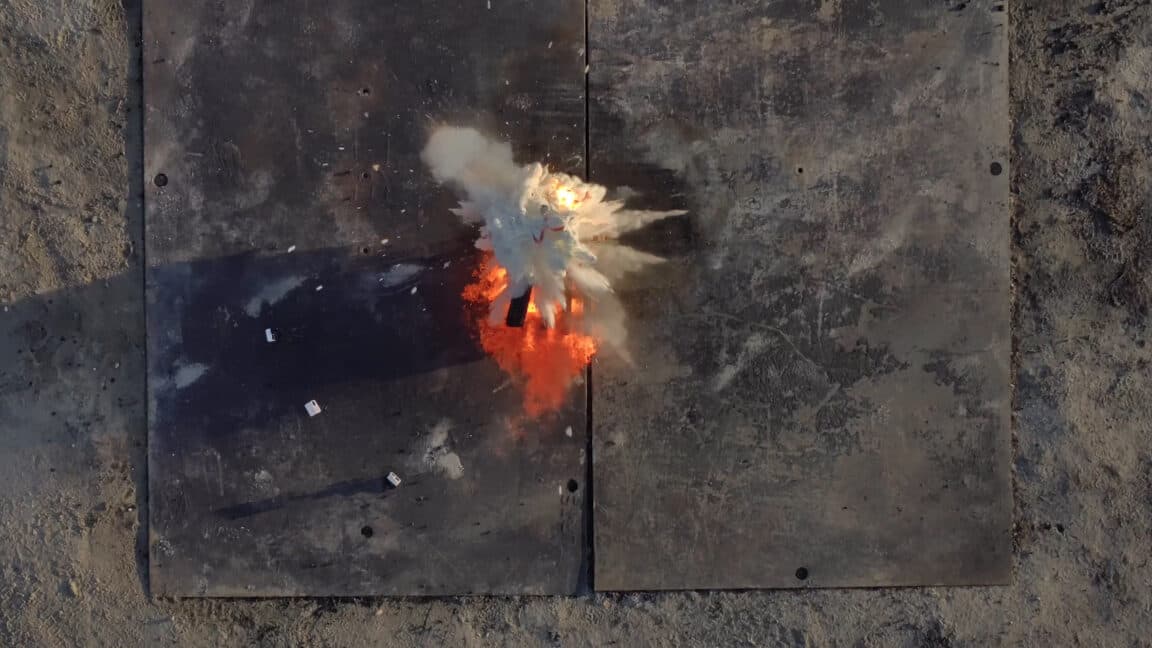
XPRIZE Wildfire winners spotted fires within 10 min—but couldn’t stop them
The XPRIZE Wildfire competition revealed advanced detection capabilities but highlighted the ongoing challenge of fire suppression.
“Despite rapid detection of wildfires, the challenge of effectively stopping them remains a significant hurdle for current technologies.”
Key takeaways
- The XPRIZE Wildfire competition awarded $11 million for innovative wildfire detection solutions.
- Winning teams achieved detection times of under 10 minutes.
- Current technology excels in detection but struggles with fire suppression.
- Collaboration between tech developers and wildfire management is essential for future advancements.
- The competition emphasizes the need for integrated systems combining detection and effective response strategies.
The recent conclusion of the XPRIZE Wildfire competition has brought to light significant advancements in wildfire detection technology, showcasing the capabilities of various teams to identify fires rapidly. With a total prize pool of $11 million, the competition aimed to incentivize innovative solutions to one of the most pressing environmental challenges of our time: wildfires. The winning teams demonstrated their ability to detect wildfires within a mere ten minutes of ignition, a remarkable feat that underscores the potential of AI and machine learning in environmental monitoring. However, despite these advancements in detection, the competition also revealed a stark reality: stopping wildfires remains a formidable challenge, one that current technologies have yet to overcome effectively.
The competition, which attracted participants from around the globe, aimed to address the increasing frequency and intensity of wildfires exacerbated by climate change. As wildfires become more prevalent, the need for rapid detection and response has never been more critical. The XPRIZE Wildfire competition encouraged teams to develop solutions that could not only detect fires quickly but also provide actionable insights to help mitigate their impact. While the detection capabilities showcased by the winners are impressive, the inability to stop the fires highlights a significant gap in current technology and methods.
Key facts
| Field | Detail |
|---|---|
| Competition Name | XPRIZE Wildfire |
| Total Prize Pool | $11 million |
| Detection Time | Within 10 minutes of ignition |
| Number of Teams | Multiple international teams participated |
| Focus Area | Wildfire detection and response |
| Key Challenge | Stopping wildfires remains unresolved |
| Impact of Wildfires | Increasing frequency and intensity due to climate change |
| Technology Used | AI and machine learning for detection |
| Year Launched | 2021 |
| Conclusion Date | 2023 |
Who's involved
The XPRIZE Wildfire competition involved a diverse range of participants, including tech startups, research institutions, and environmental organizations. Notable teams included those from universities and private companies specializing in AI and environmental science. The competition was designed to foster collaboration and innovation among these groups, encouraging them to share their findings and technologies to tackle the wildfire crisis collectively.
Background
Wildfires have become a critical concern in recent years, with devastating impacts on ecosystems, air quality, and human health. The increasing frequency and severity of these fires can be attributed to a combination of factors, including climate change, land management practices, and urban development in fire-prone areas. Historically, firefighting efforts have relied heavily on manual detection methods, which can be slow and inefficient. The advent of AI and machine learning technologies has opened new avenues for improving wildfire detection and response.
The XPRIZE Wildfire competition was launched in 2021, aiming to accelerate the development of innovative solutions for wildfire detection. The competition's structure encouraged teams to leverage cutting-edge technologies, including satellite imagery, drone surveillance, and machine learning algorithms, to detect fires at their earliest stages. While the competition successfully demonstrated the potential of these technologies, it also highlighted the limitations of current fire suppression methods. Despite rapid detection, the challenge of effectively stopping wildfires remains a significant hurdle.
How to read the numbers
While the XPRIZE competition focused primarily on detection capabilities, it is important to understand the broader context of wildfire management. The following table provides a snapshot of key benchmarks in wildfire detection and response technologies, illustrating the advancements made through the competition.
| Benchmark | Score |
|---|---|
| Detection Speed | 10 min |
| Accuracy of Detection | High |
| Response Time | Variable |
| Fire Suppression Rate | Low |
| Technology Adoption | Growing |
What you can do with it
For those involved in wildfire management or technology development, the outcomes of the XPRIZE Wildfire competition offer several practical takeaways:
- Explore partnerships with technology developers to integrate advanced detection systems into existing wildfire management frameworks.
- Invest in research and development of fire suppression technologies that complement rapid detection capabilities.
- Utilize data from the competition to inform policy decisions and resource allocation for wildfire response efforts.
- Engage with local communities to raise awareness about the importance of early detection and the role of technology in wildfire management.
What we're watching
As the dust settles on the XPRIZE Wildfire competition, the focus now shifts to the next steps in wildfire management technology. One key area of interest is the development of integrated systems that combine rapid detection with effective suppression strategies. Researchers and developers are exploring how to leverage AI not just for detection but also for predicting fire behavior and optimizing response efforts. The ongoing challenge remains: how can we translate detection capabilities into actionable strategies that can effectively combat wildfires?
The outcomes of the XPRIZE Wildfire competition serve as a catalyst for future innovations in wildfire management. As climate change continues to exacerbate the frequency and intensity of wildfires, the need for effective solutions will only grow. The competition has laid the groundwork for further research and collaboration among stakeholders in the field, emphasizing the importance of continued investment in technology and innovation. The next phase will involve not only refining detection methods but also addressing the critical question of how to stop wildfires once they are detected. The urgency of this challenge cannot be overstated, as communities around the world face the increasing threat of wildfires.
In conclusion, while the XPRIZE Wildfire competition has demonstrated significant advancements in wildfire detection technology, it has also illuminated the ongoing challenges of fire suppression. The competition's findings underscore the need for a multifaceted approach to wildfire management that encompasses both detection and response strategies. As we look ahead, the integration of AI and machine learning into wildfire management will be crucial in developing effective solutions to combat this growing threat.
Source: Ars Technica - AI · Read original →
Instagram & TikTok: copy the link or quote and paste into a Story, Reel, or caption.
Digest
AI news by email
Curated stories with sources and takeaways. Confirm once — unsubscribe anytime.
Discussion
Comment here after signing in, or share the story to continue the conversation elsewhere.
Instagram & TikTok: copy the link and paste into a Story, Reel, or caption.
Log in or create an account to comment — Google / GitHub / X when those providers are configured.
No comments yet — start the thread.