Trump’s China rivalry and “AI race” delusion may endanger US, experts say
Experts warn that Trump's competitive stance on AI could hinder essential safety cooperation with China, jeopardizing global security.
“Trump's competitive AI narrative risks alienating China, potentially jeopardizing vital safety intelligence sharing and global security.”
Key takeaways
- Trump's focus on winning the AI race may hinder collaboration with China.
- The rivalry could lead to increased geopolitical tensions.
- Experts warn of the dangers of a competitive mindset in AI.
- Shared safety standards in AI are essential for global security.
- The future of U.S.-China relations in AI remains uncertain.
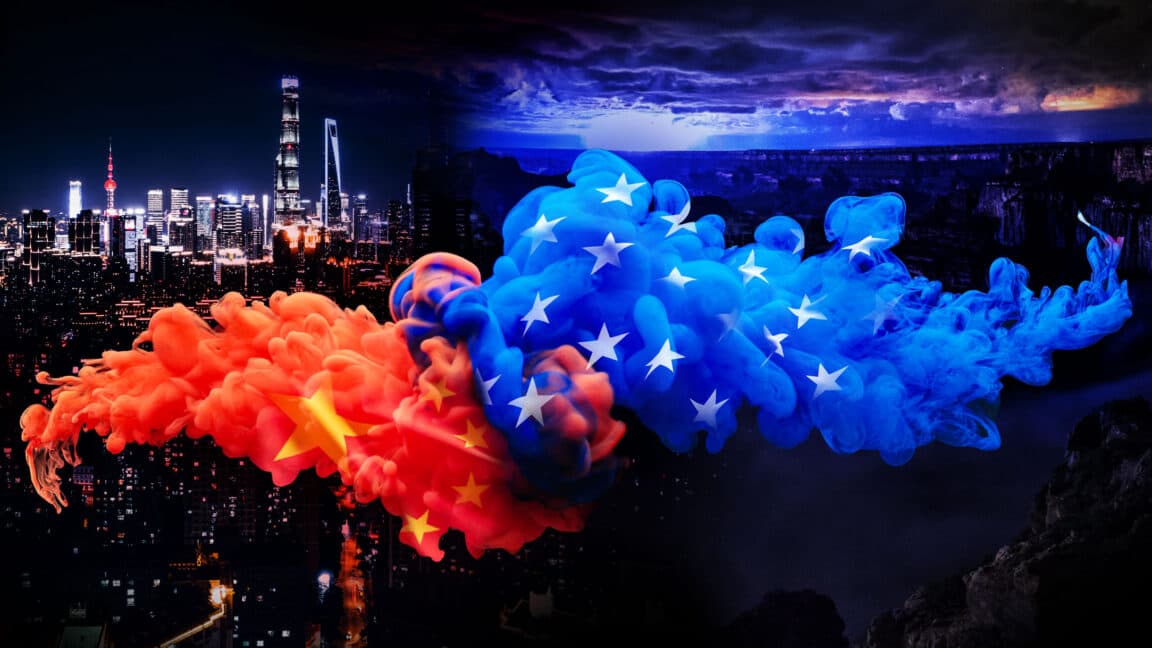
The ongoing geopolitical rivalry between the United States and China has taken a new turn, particularly in the realm of artificial intelligence (AI). Former President Donald Trump's focus on winning the so-called "AI race" is raising concerns among experts who argue that this competitive mindset could deter China from sharing crucial safety intelligence. This situation poses a significant risk not only to the U.S. but also to global security as nations grapple with the implications of AI technologies. As both countries ramp up their AI capabilities, the potential for miscommunication and misunderstanding increases, which could lead to dire consequences in international relations.
Experts emphasize that the competitive narrative surrounding AI is not merely a technological contest but a complex interplay of national security, economic interests, and international diplomacy. Trump's administration had previously adopted a confrontational approach towards China, framing the AI race as a zero-sum game where one nation's gain is another's loss. This perspective could hinder collaborative efforts that are essential for addressing shared challenges, such as cybersecurity threats, misinformation, and the ethical use of AI. The stakes are high, and the implications of this rivalry extend beyond borders, affecting global stability and cooperation.
Key facts
| Field | Detail |
|---|---|
| Main Concern | Trump's AI race narrative may deter China from sharing safety intel |
| Key Players | Donald Trump, China, U.S. intelligence agencies |
| Context | Ongoing U.S.-China rivalry in technology and security |
| Potential Risks | Increased geopolitical tensions, reduced cooperation on safety issues |
| Expert Opinions | Analysts warn of the dangers of a competitive mindset in AI |
The players in this unfolding drama include not only political figures like Donald Trump but also various U.S. intelligence agencies and Chinese government officials. The rivalry is not limited to political leaders; it encompasses a wide range of stakeholders, including tech companies, researchers, and military entities in both countries. As AI technologies continue to evolve, the need for collaboration and shared safety protocols becomes increasingly critical. However, the current atmosphere of distrust complicates these efforts.
Historically, the U.S. and China have engaged in various forms of technological competition, but the AI race represents a new frontier. Unlike previous technological advancements, AI has the potential to influence nearly every aspect of society, from healthcare to defense. The implications of AI technologies are profound, and the lack of cooperation could result in unintended consequences. For instance, without shared safety standards, AI systems developed in isolation may pose risks not only to their respective countries but also to the global community.
The competitive narrative surrounding AI is not unique to the Trump administration; however, it has been amplified during his tenure. Previous administrations have also recognized the importance of AI in maintaining national security and economic competitiveness. The difference lies in the framing of the issue. While earlier approaches may have acknowledged the need for collaboration, Trump's rhetoric emphasizes a combative stance that could alienate potential partners. This shift in tone raises questions about the future of U.S.-China relations and the potential for collaborative efforts in AI safety.
Who's involved
- Donald Trump: Former U.S. President, advocating for a competitive AI narrative.
- Chinese Government: Key player in the global AI landscape, with its own ambitions in AI development.
- U.S. Intelligence Agencies: Concerned about the implications of AI technologies for national security.
- Tech Companies: Both U.S. and Chinese firms are at the forefront of AI innovation, influencing policy and safety standards.
How to read the numbers
While the article does not provide specific numerical data regarding AI capabilities or safety standards, it is essential to understand the broader context of AI development. The lack of shared metrics or benchmarks between the U.S. and China complicates the assessment of AI technologies. Without a common framework for evaluating AI systems, it becomes challenging to gauge their safety and effectiveness. This gap in understanding can lead to misaligned expectations and increased tensions between the two nations.
What you can do with it
- Stay Informed: Keep up with developments in AI policy and international relations.
- Engage in Dialogue: Foster discussions about the importance of collaboration in AI safety.
- Advocate for Transparency: Support initiatives that promote transparency in AI development and safety standards.
- Monitor AI Developments: Track advancements in AI technologies and their implications for global security.
What we're watching
As the U.S. and China continue to navigate their complex relationship, the next significant milestone will be the potential for dialogue on AI safety protocols. Experts are keenly observing whether either side will take steps to bridge the gap in communication and cooperation. The risk remains that without proactive measures, both nations may find themselves in a precarious situation where the lack of collaboration leads to increased tensions and misunderstandings.
The future of U.S.-China relations in the context of AI is uncertain. As both countries invest heavily in AI research and development, the potential for breakthroughs exists, but so does the risk of conflict. The question remains: will the competitive narrative give way to a more collaborative approach that prioritizes safety and shared interests? The answer to this question will shape not only the future of AI but also the broader geopolitical landscape. As the world watches, the implications of this rivalry will continue to unfold, impacting global security and cooperation for years to come.
Source: Ars Technica - AI · Read original →
Instagram & TikTok: copy the link or quote and paste into a Story, Reel, or caption.
Digest
AI news by email
Curated stories with sources and takeaways. Confirm once — unsubscribe anytime.
Discussion
Comment here after signing in, or share the story to continue the conversation elsewhere.
Instagram & TikTok: copy the link and paste into a Story, Reel, or caption.
Log in or create an account to comment — Google / GitHub / X when those providers are configured.
No comments yet — start the thread.