The US spent billions on border surveillance. Why can’t it catch people before they die?
Despite billions spent on border surveillance, technology fails to prevent migrant deaths in the US desert.
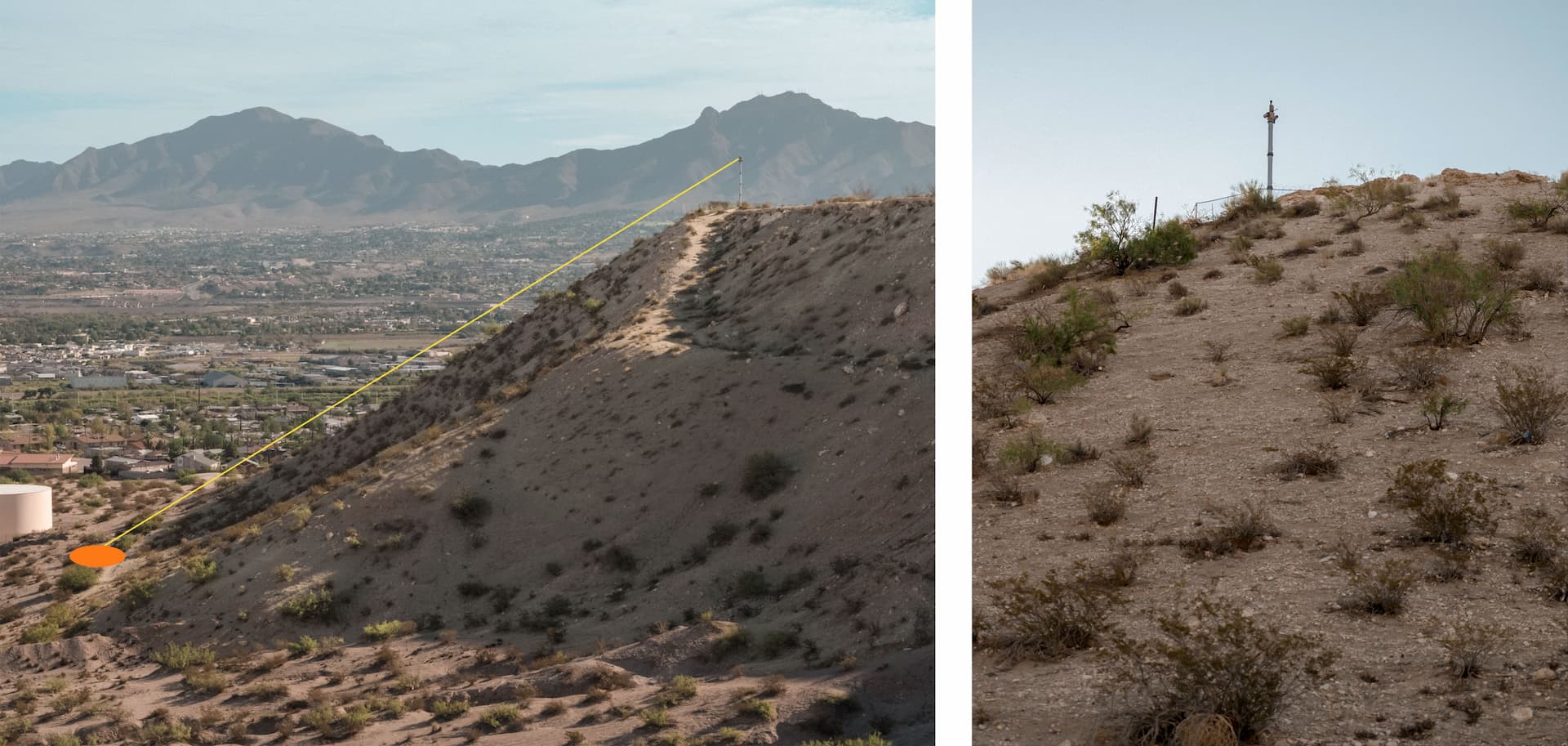
José Morales Bernal's journey across the US-Mexico border on April 8, 2024, was marked by hope and desperation, as he sought a better life in the United States. However, his crossing should have triggered a series of alerts and responses from the advanced surveillance systems installed along the border. These systems, which have cost the US government billions, are designed to detect and respond to unauthorized crossings and ensure the safety of individuals traversing the perilous desert landscape. Yet, despite the presence of three surveillance towers in the vicinity, Morales Bernal's crossing went unnoticed until it was too late, raising serious questions about the effectiveness of these technologies in preventing migrant deaths.
The surveillance towers, equipped with high-definition cameras and motion sensors, are part of a broader strategy to enhance border security. The US government has invested heavily in these technologies, believing that they would not only deter illegal crossings but also provide timely assistance to those in distress. However, the tragic fate of Morales Bernal, who succumbed to the harsh conditions of the desert, underscores a critical flaw in this approach: the technology is not effectively integrated with human response systems. As a result, despite the billions spent on surveillance, the system failed to act when it mattered most, leaving individuals like Morales Bernal vulnerable to the dangers of the environment.
Key facts
| Field | Detail |
|---|---|
| Date of crossing | April 8, 2024 |
| Age of José Morales Bernal | 31 years old |
| Location | Southern New Mexico |
| Surveillance technology | High-definition cameras, motion sensors |
| Cost of surveillance systems | Billions spent by the US government |
| Number of surveillance towers | Three |
| Response time | Failed to respond in a timely manner |
| Outcome | José Morales Bernal died in the desert |
The situation surrounding border surveillance is not new; similar tragedies have occurred in the past, highlighting the ongoing challenges faced by migrants and the limitations of technology in addressing humanitarian crises. Previous reports have documented the deaths of numerous individuals attempting to cross the border, often due to exposure, dehydration, or other environmental hazards. The reliance on surveillance technology has been criticized for its inability to provide real-time assistance, as the systems are often not monitored continuously or lack the necessary protocols for immediate human intervention.
In previous years, the US government has faced scrutiny for its border policies and the effectiveness of its surveillance measures. While advancements in technology have made it possible to monitor vast stretches of land, the integration of these systems with human resources remains a significant hurdle. The disconnect between surveillance capabilities and the actual response to emergencies has led to calls for a reevaluation of how these technologies are deployed and managed. Critics argue that without a robust framework for human intervention, the technology alone cannot fulfill its intended purpose of safeguarding lives.
How to read the numbers
| Benchmark | Score |
|---|---|
| Total investment in surveillance | Billions spent |
| Number of deaths recorded | Increasing each year |
| Response time to alerts | Often delayed |
| Number of successful rescues | Low compared to crossings |
The tragic death of José Morales Bernal serves as a stark reminder of the urgent need for a more effective approach to border security that prioritizes human life. As the US continues to grapple with immigration issues, it is crucial to address the shortcomings of current surveillance technologies and ensure that they are complemented by adequate human resources. This includes not only improving the monitoring of surveillance systems but also establishing protocols for rapid response to emergencies. The goal should be to create a system that not only detects crossings but also actively protects the lives of those making the perilous journey.
Practical takeaways
- Advocate for improved integration of technology and human response systems at the border.
- Support policies that prioritize humanitarian assistance for migrants in distress.
- Engage with organizations working to provide aid and resources to border crossers.
- Raise awareness about the limitations of current surveillance technologies in preventing migrant deaths.
The future of border surveillance and migrant safety remains uncertain. As the US government continues to invest in advanced technologies, the pressing question is whether these systems will evolve to effectively address the humanitarian crises at the border. Without significant changes to how surveillance is managed and integrated with human intervention, the tragic outcomes witnessed in cases like that of José Morales Bernal may continue to occur, highlighting the urgent need for reform in border security practices.
Source: MIT Technology Review - AI · Read original →
Instagram & TikTok: copy the link and paste into a Story, Reel, or caption.
Digest
AI news by email
Curated stories with sources and takeaways. Confirm once — unsubscribe anytime.
Discussion
Comment here after signing in, or share the story to continue the conversation elsewhere.
Instagram & TikTok: copy the link and paste into a Story, Reel, or caption.
Log in or create an account to comment — Google / GitHub / X when those providers are configured.
No comments yet — start the thread.