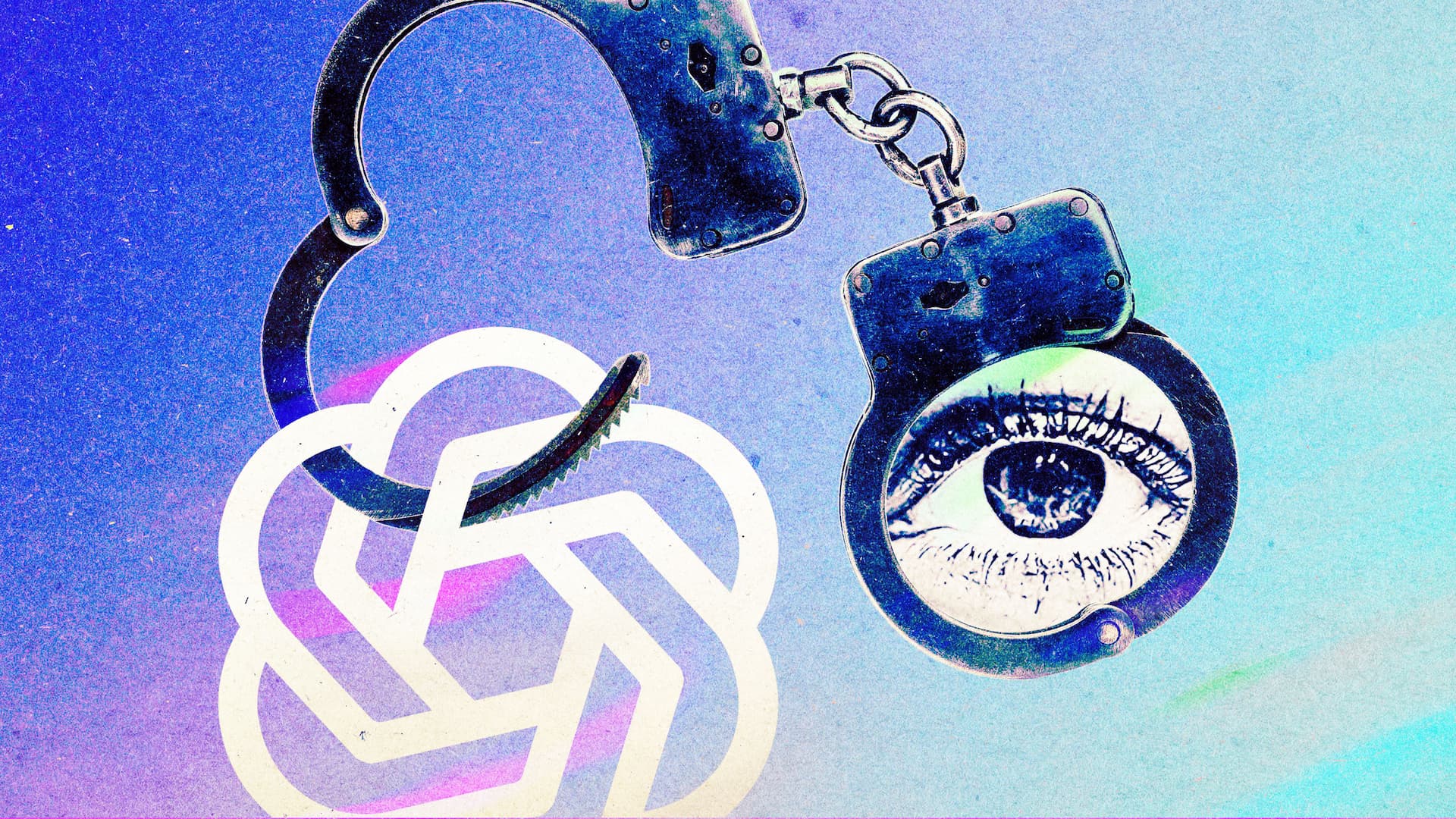
The Pentagon wants $30 million to build an AI-powered lie detector
The Pentagon is seeking $30 million to develop an AI-enhanced lie detection system, aiming to revolutionize interrogation techniques.
“The Polygraph+ initiative aims to revolutionize lie detection by integrating AI and standoff sensing, potentially transforming interrogation techniques.”
Key takeaways
- The Pentagon is seeking $30.3 million for the Polygraph+ program over five years.
- The initiative focuses on AI algorithms and standoff sensing techniques.
- Traditional polygraphs have faced criticism for accuracy and ethical concerns.
- AI could enhance the reliability of lie detection methods significantly.
- Ethical implications will be crucial as this technology develops.
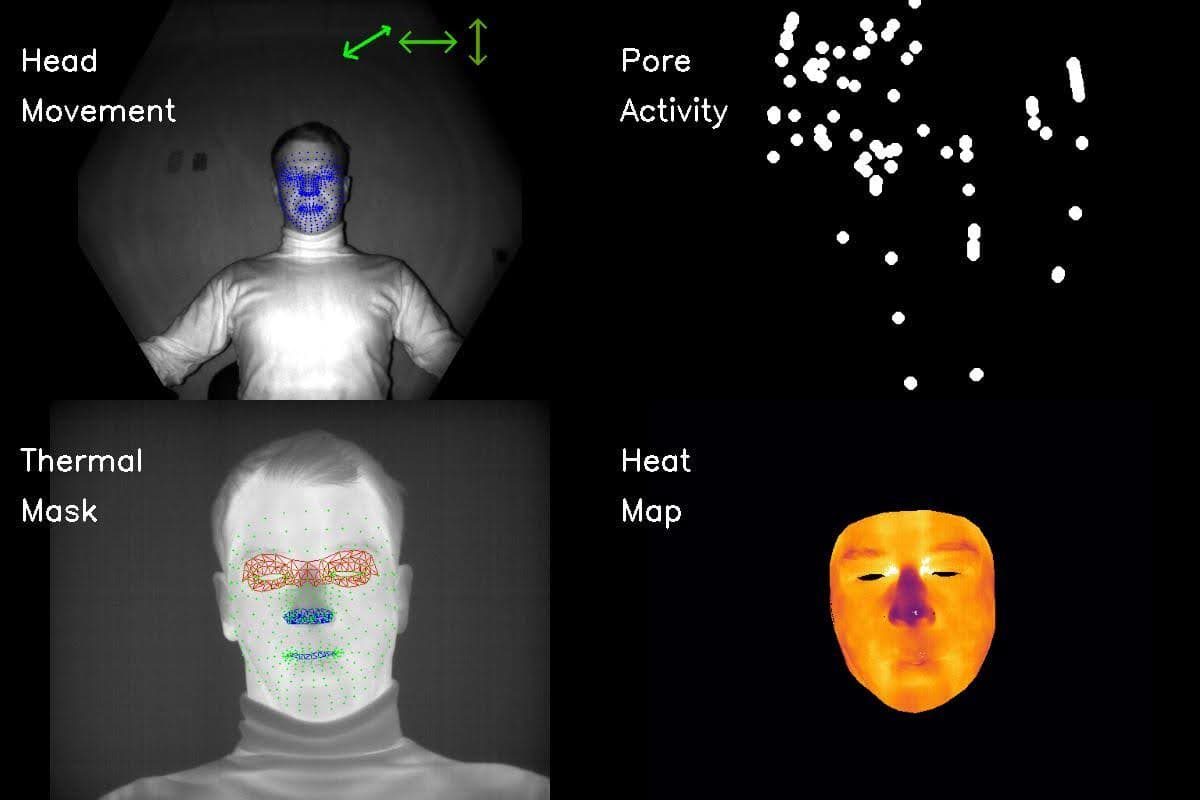
The U.S. Department of Defense (DoD) has unveiled a bold initiative to invest $30.3 million over the next five years into the development of an advanced lie detection system, known as "Polygraph+" or "Polygraph Next." This program aims to leverage artificial intelligence (AI) and machine learning (ML) to enhance the accuracy and reliability of traditional polygraph tests. The initiative comes at a time when the effectiveness of conventional lie detectors has been widely debated, raising questions about their validity and potential for misuse. The proposed system will not only refine scoring algorithms but also incorporate innovative techniques such as "standoff sensing," which could allow for remote detection of physiological responses associated with deception.
The funding request is part of the DoD's broader budget proposal, which emphasizes the integration of cutting-edge technology into military and intelligence operations. The move reflects a growing recognition of the potential for AI to transform various fields, including security and law enforcement. By harnessing AI's capabilities, the Pentagon aims to create a more sophisticated tool for assessing truthfulness, which could significantly impact interrogation practices and intelligence gathering. The initiative has garnered attention from both supporters and critics, with discussions focusing on the ethical implications of using AI in such sensitive applications.
Key facts
| Field | Detail |
|---|---|
| Program Name | Polygraph+ or Polygraph Next |
| Budget Request | $30.3 million over five years |
| Focus Areas | AI and machine learning algorithms, standoff sensing techniques |
| Purpose | To improve the accuracy and reliability of lie detection methods |
| Department Involved | U.S. Department of Defense |
| Proposed Start Year | 2024 |
| Expected Completion | 2029 |
| Ethical Considerations | Concerns regarding privacy and the potential for misuse |
| Current Technology | Traditional polygraph tests, which measure physiological responses to assess truthfulness |
| Potential Impact | Could revolutionize interrogation techniques and intelligence assessments |
The players
The key players involved in this initiative include the U.S. Department of Defense, which is spearheading the funding request, and various technology firms specializing in AI and machine learning. Additionally, academic institutions may play a role in researching and developing the algorithms and techniques needed for the Polygraph+ program. The collaboration between government entities and private sector innovators will be crucial to the success of this project.
The concept of using AI in lie detection is not entirely new, but the Pentagon's commitment to investing significant resources into this area marks a notable shift in approach. Previous attempts to enhance polygraph technology have often been met with skepticism due to concerns about accuracy and ethical implications. However, advancements in AI and machine learning have opened new avenues for improving these systems, making them potentially more reliable and less intrusive.
Historically, polygraphs have been used in various contexts, including criminal investigations, employment screenings, and national security assessments. Their reliance on physiological indicators—such as heart rate, blood pressure, and respiration—has long been a point of contention, with critics arguing that these measures can be influenced by factors unrelated to deception, such as anxiety or medical conditions. The introduction of AI-driven analysis could address some of these concerns by providing a more nuanced understanding of the data collected during tests.
The Pentagon's focus on standoff sensing represents a significant advancement in the field. This technique aims to detect physiological responses from a distance, potentially allowing for less invasive assessments. By integrating AI with standoff sensing, the Polygraph+ program could provide real-time analysis of an individual's physiological state, offering insights into their truthfulness without the need for direct contact or invasive procedures. This could be particularly valuable in high-stakes situations, such as interrogations or security screenings, where traditional methods may be impractical or ethically questionable.
How to read the numbers
| Benchmark | Score |
|---|---|
| Traditional Polygraph | Varies |
| AI-Enhanced Detection | TBD |
| Standoff Sensing | TBD |
While specific performance metrics for the Polygraph+ program have yet to be established, the potential for AI to improve detection accuracy is promising. The integration of machine learning algorithms could allow for continuous learning and adaptation, refining the system's ability to distinguish between truthful and deceptive responses over time. As the project progresses, benchmarks will be developed to assess the effectiveness of the new technology compared to traditional methods.
What you can do with it
- Stay informed about developments in AI and machine learning applications in security and law enforcement.
- Consider the ethical implications of using AI-driven technologies in sensitive areas such as lie detection.
- Engage in discussions about the balance between security needs and individual privacy rights.
- Explore potential collaborations with technology firms or academic institutions working on AI-enhanced detection systems.
What we're watching
As the Pentagon moves forward with the Polygraph+ initiative, key milestones to watch include the selection of technology partners, the development of algorithms, and the establishment of ethical guidelines for the use of AI in lie detection. The success of this program will depend not only on technological advancements but also on public acceptance and regulatory frameworks that govern its application.
Looking ahead, the potential for AI to revolutionize lie detection raises important questions about the future of interrogation practices. As the technology matures, it may lead to a paradigm shift in how truthfulness is assessed, with implications for law enforcement, national security, and even corporate environments. The ongoing discourse surrounding the ethical use of AI in such contexts will be critical in shaping the direction of this initiative and its acceptance within society.
Source: MIT Technology Review - AI · Read original →
Instagram & TikTok: copy the link or quote and paste into a Story, Reel, or caption.
Digest
AI news by email
Curated stories with sources and takeaways. Confirm once — unsubscribe anytime.
Discussion
Comment here after signing in, or share the story to continue the conversation elsewhere.
Instagram & TikTok: copy the link and paste into a Story, Reel, or caption.
Log in or create an account to comment — Google / GitHub / X when those providers are configured.
No comments yet — start the thread.