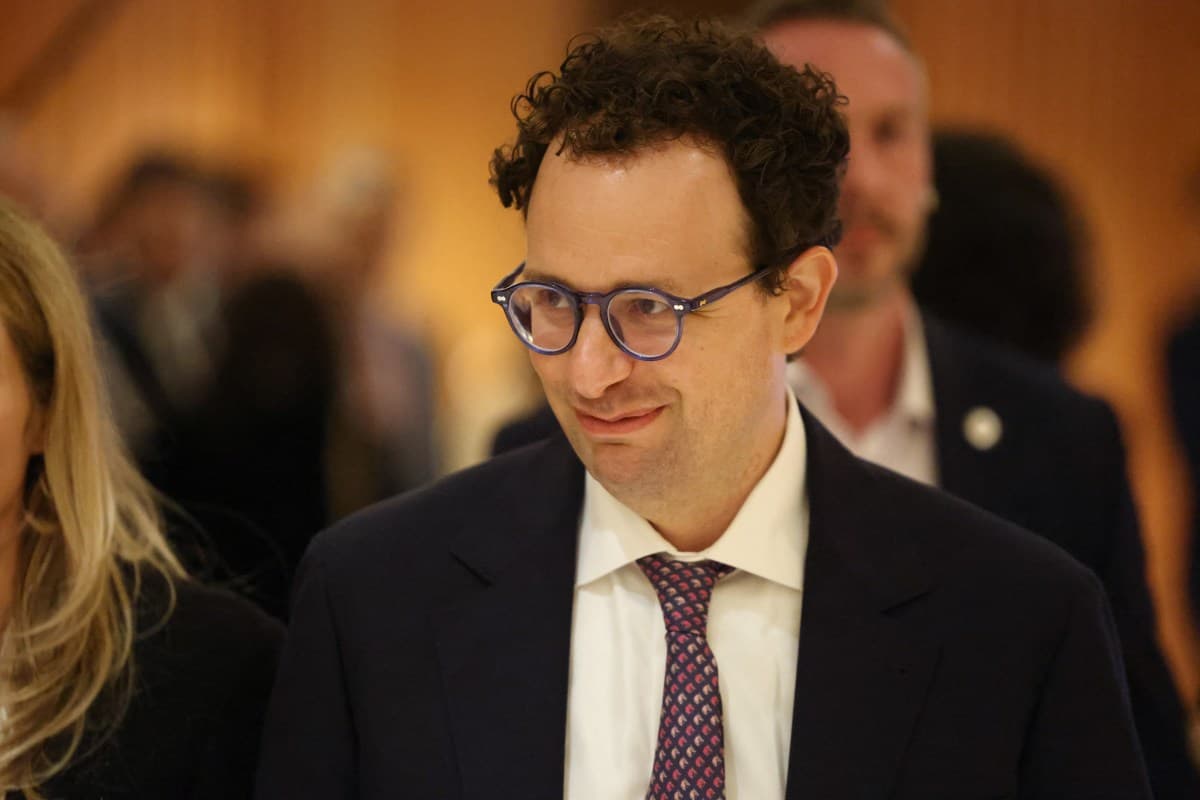
The AI policy window is open. We need to act.
Chris Lehane emphasizes the urgency for robust AI policies as capabilities advance, urging immediate action on safety and standards.
The rapid evolution of artificial intelligence technologies has opened a critical window for policymakers to establish frameworks that ensure safety and accountability. Chris Lehane, a prominent figure in AI policy discussions, argues that as AI capabilities grow more sophisticated, the need for stronger safety evidence and shared standards becomes increasingly urgent. This moment presents a unique opportunity for stakeholders to collaborate on durable policy actions that can guide the responsible development and deployment of AI systems. With the stakes higher than ever, Lehane's call to action resonates across various sectors, from tech companies to government agencies.
Lehane's perspective is particularly timely, given the recent advancements in AI models that have demonstrated unprecedented capabilities in natural language processing, image generation, and decision-making. These developments have not only transformed industries but have also raised significant ethical and safety concerns. As AI systems become more integrated into everyday life, the potential for misuse or unintended consequences grows, underscoring the necessity for a proactive approach to regulation. The current policy window, characterized by heightened awareness and urgency surrounding AI risks, must be leveraged to create frameworks that prioritize safety and ethical considerations.
Key facts
| Field | Detail |
|---|---|
| Advocate | Chris Lehane |
| Focus | AI safety, shared standards, durable policy action |
| Current AI landscape | Rapid advancements in AI capabilities |
| Urgency | Need for immediate policy action |
| Stakeholders involved | Tech companies, government agencies, civil society |
| Proposed actions | Establish safety evidence, create shared standards |
| Policy window | Open due to increased awareness of AI risks |
| Potential outcomes | Improved safety, ethical AI deployment |
The backdrop of Lehane's argument is a growing recognition of the dual-edged nature of AI technology. On one hand, AI has the potential to drive innovation, enhance productivity, and solve complex problems across various domains. On the other hand, the lack of robust safety measures and ethical guidelines can lead to harmful outcomes, including bias in decision-making, privacy violations, and even threats to national security. The challenge lies in balancing the benefits of AI with the need to mitigate its risks. Previous attempts at regulation have often lagged behind technological advancements, resulting in a reactive rather than proactive stance on AI governance.
Historically, the tech industry has faced similar challenges with other emerging technologies. For instance, the rise of the internet in the 1990s prompted discussions about privacy, security, and content regulation, but comprehensive policies took years to materialize. Similarly, the rapid growth of social media has led to ongoing debates about misinformation, data privacy, and user safety. These precedents highlight the importance of timely and effective policy action in the face of technological change. Lehane's call for stronger AI policies aims to avoid the pitfalls of past experiences by advocating for a collaborative approach that includes input from diverse stakeholders.
How to read the numbers
| Benchmark | Score |
|---|---|
| AI safety frameworks | N/A |
| Industry standards | N/A |
| Regulatory compliance | N/A |
| Public trust in AI | N/A |
While specific numerical benchmarks for AI safety frameworks and industry standards are not yet available, the emphasis on establishing these measures is crucial. The absence of standardized metrics makes it challenging to assess the effectiveness of existing policies or the readiness of AI systems for deployment. As Lehane advocates for shared standards, the development of quantifiable metrics will be essential to evaluate compliance and ensure that AI technologies are developed responsibly.
What you can do with it
- Engage with policymakers: Advocate for the establishment of AI safety standards and regulations that prioritize ethical considerations.
- Collaborate with industry peers: Work with other stakeholders in the tech industry to develop shared safety frameworks and best practices.
- Educate your team: Ensure that your organization is informed about the latest developments in AI policy and safety measures.
- Monitor regulatory changes: Stay updated on new policies and regulations that may impact AI development and deployment in your sector.
Looking ahead, the urgency for action in AI policy is underscored by the rapid pace of technological advancement. As AI systems continue to evolve, the potential for both positive and negative impacts will only increase. The current policy window presents a unique opportunity for stakeholders to come together and create a framework that not only addresses immediate safety concerns but also lays the groundwork for future developments in AI. The challenge will be to maintain momentum and ensure that the policies established today are adaptable to the innovations of tomorrow. The success of these efforts will ultimately depend on the collaboration between tech companies, government entities, and civil society to create a safe and ethical AI landscape.
Source: OpenAI News · Read original →
Instagram & TikTok: copy the link and paste into a Story, Reel, or caption.
Digest
AI news by email
Curated stories with sources and takeaways. Confirm once — unsubscribe anytime.
Discussion
Comment here after signing in, or share the story to continue the conversation elsewhere.
Instagram & TikTok: copy the link and paste into a Story, Reel, or caption.
Log in or create an account to comment — Google / GitHub / X when those providers are configured.
No comments yet — start the thread.