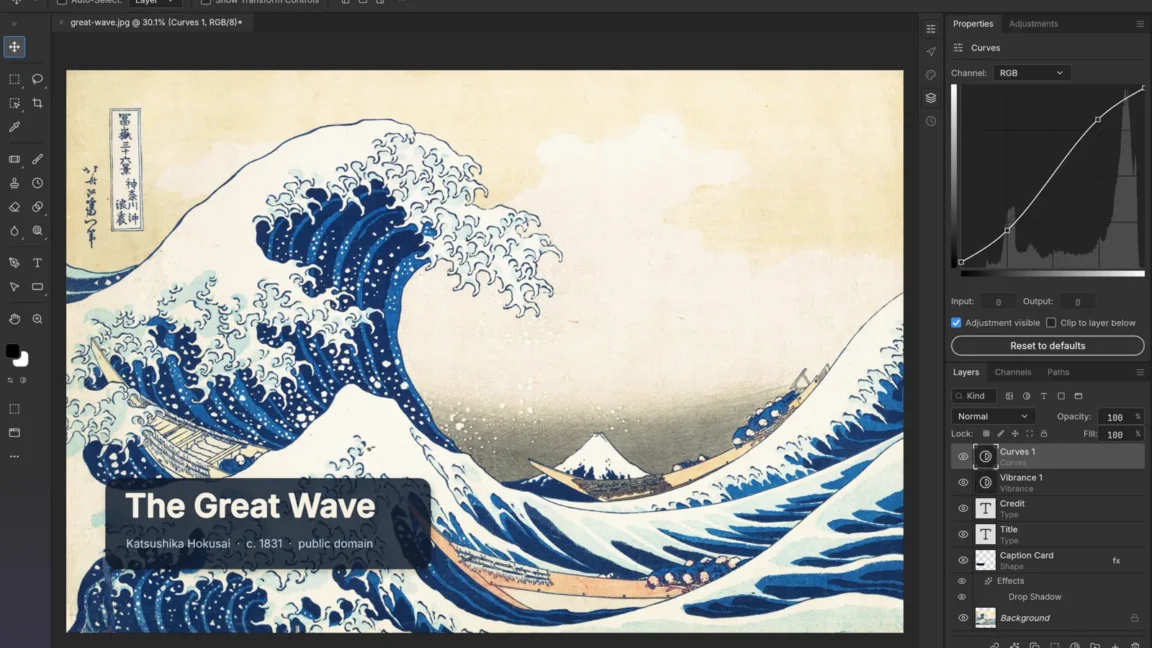
“Software is over”: Bold AI developer takes aim at Adobe with open source clones
A bold new initiative aims to disrupt Adobe's Creative Cloud with open-source alternatives, promising ambitious features at no cost.
“Opus aims to disrupt Adobe's Creative Cloud by providing powerful, open-source tools that empower creators without the financial burden.”
Key takeaways
- Opus is developing open-source alternatives to Adobe's Creative Cloud.
- The project is still in early development but aims for comprehensive functionality.
- Community involvement is encouraged, allowing users to contribute to the software's evolution.
- The initiative addresses the rising costs of creative software and aims to democratize access for all users.
- Future milestones include the release of functional tools and gathering user feedback.
In a striking move that could reshape the landscape of creative software, a new developer group known as Opus has emerged with a suite of open-source alternatives to Adobe's Creative Cloud. This initiative aims to provide users with powerful tools for graphic design, video editing, and digital content creation, all without the hefty price tag associated with Adobe's offerings. While the project is still in its infancy and far from complete, the ambition behind it signals a potential shift in how creative professionals and hobbyists access and utilize software for their work.
The Opus team, comprised of seasoned developers and designers disillusioned by the rising costs and restrictive licensing of traditional software, has set out to create a comprehensive suite of tools that can rival Adobe's flagship products. Their goal is not just to replicate existing features but to innovate and enhance the user experience, making creative tools more accessible and adaptable to the needs of modern creators. As the project gains traction, it has already sparked interest and excitement within the creative community, eager for a viable alternative to Adobe's ecosystem.
Key facts
| Field | Detail |
|---|---|
| Project Name | Opus |
| Type | Open-source software suite |
| Target Audience | Graphic designers, video editors, content creators |
| Current Status | In development, not fully functional |
| Key Features Planned | Graphic design, video editing, collaboration tools |
| Licensing | Open-source |
| Development Team | Independent developers and designers |
| Community Involvement | Encouraging contributions from users |
| Comparison | Alternatives to Adobe Creative Cloud |
| Release Timeline | TBD, ongoing development |
Who's involved
The Opus project is spearheaded by a collective of developers and designers who have previously worked with major tech companies and startups. Their shared vision of democratizing access to creative tools has brought them together to form this ambitious initiative. The project is open to contributions from the wider community, inviting developers, designers, and users to participate in its evolution.
Background
The creative software market has long been dominated by Adobe, whose Creative Cloud suite offers a range of powerful tools for professionals in various fields. However, this dominance comes with a significant financial burden, as subscription fees can be prohibitively expensive for many users. In recent years, there has been a growing demand for alternatives that provide similar capabilities without the associated costs. Open-source software has emerged as a viable solution, allowing users to access and modify tools freely.
Opus aims to fill this gap by providing a comprehensive suite of tools that not only match Adobe's offerings but also introduce innovative features that cater to the evolving needs of creators. The project draws inspiration from successful open-source initiatives in other domains, such as GIMP for image editing and Blender for 3D modeling, which have demonstrated the potential of community-driven development.
The rise of remote work and online collaboration has further fueled the need for accessible creative tools. As more individuals and teams seek to produce high-quality content from home or in distributed environments, the demand for flexible, cost-effective solutions has never been higher. Opus seeks to address this need by creating tools that facilitate collaboration and creativity without the constraints of traditional licensing models.
How to read the numbers
While specific performance metrics for Opus are not yet available, the project's ambition suggests a focus on user experience and functionality. The following table outlines the key benchmarks that the Opus team aims to achieve as they develop their software suite:
| Benchmark | Status |
|---|---|
| User Interface Design | In progress |
| Core Functionality | Under development |
| Collaboration Features | Planned |
| Community Feedback Mechanism | Planned |
| Documentation | In progress |
What you can do with it
For those interested in exploring the Opus project or contributing to its development, here are some practical next steps:
- Visit the Opus project website to stay updated on progress and announcements.
- Join the community forums to engage with other users and developers, share ideas, and provide feedback.
- Contribute to the codebase if you have development skills, or assist with documentation and user support.
- Experiment with early versions of the software as they become available to provide valuable user insights.
What we're watching
As the Opus project continues to develop, the next key milestone will be the release of its first functional version, which is expected to include basic graphic design tools. The community's response to this initial release will be crucial in shaping the project's future direction. Additionally, the Opus team is actively seeking partnerships with educational institutions and creative organizations to foster collaboration and gather feedback.
Looking ahead, the success of Opus will depend on its ability to attract a dedicated user base and maintain an active development community. The project faces challenges, including the need to ensure robust functionality and user-friendly design, as well as the ongoing competition from established players like Adobe. However, the potential for disruption in the creative software market is significant, and Opus could pave the way for a new era of open-source creativity.
As the project evolves, it will be essential to monitor how it addresses user needs and adapts to the rapidly changing landscape of digital content creation. The commitment to open-source principles and community involvement positions Opus as a promising contender in the quest for accessible and innovative creative tools.
Source: Ars Technica - AI · Read original →
Instagram & TikTok: copy the link or quote and paste into a Story, Reel, or caption.
Digest
AI news by email
Curated stories with sources and takeaways. Confirm once — unsubscribe anytime.
Discussion
Comment here after signing in, or share the story to continue the conversation elsewhere.
Instagram & TikTok: copy the link and paste into a Story, Reel, or caption.
Log in or create an account to comment — Google / GitHub / X when those providers are configured.
No comments yet — start the thread.