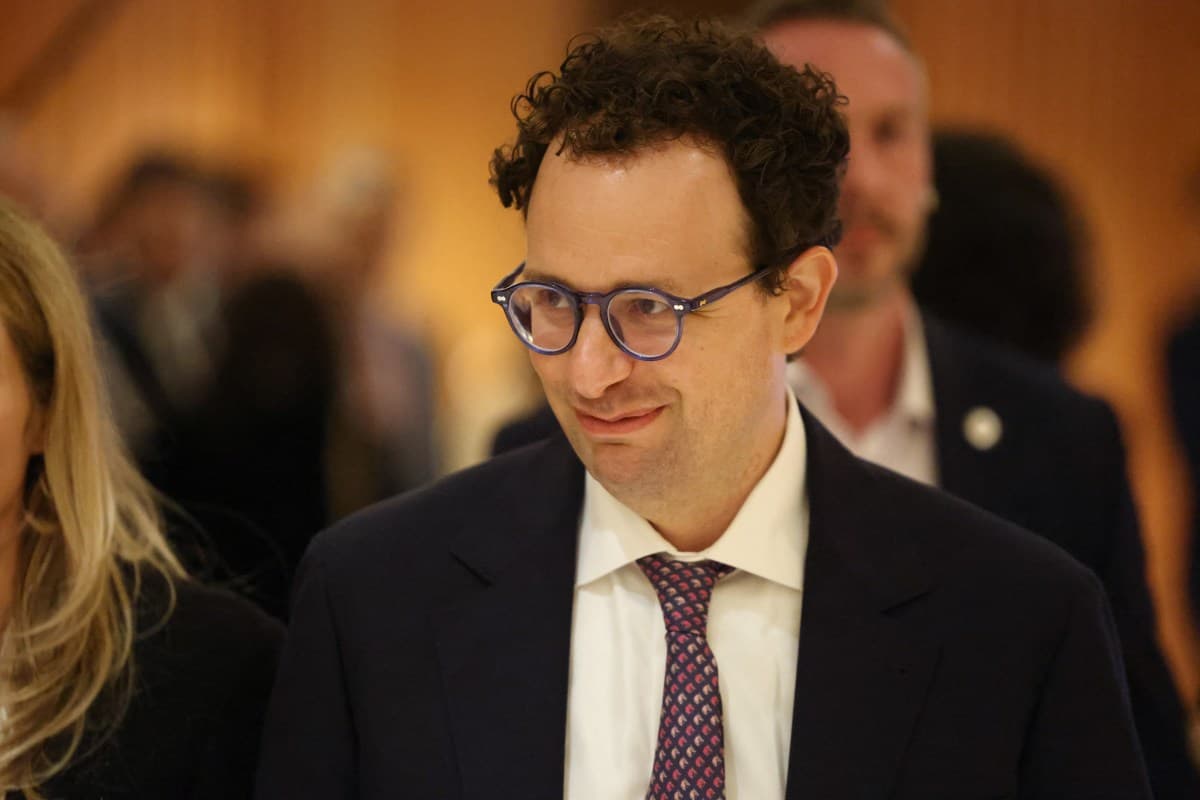
Sam Altman’s remarks at the United Nations Security Council
Sam Altman addresses the UN Security Council, emphasizing the need for global cooperation on AI safety and human oversight.
“Sam Altman emphasizes that without international cooperation, the risks of AI could escalate, threatening global stability.”
Key takeaways
- Sam Altman advocates for global cooperation on AI safety at the UN Security Council.
- The need for international frameworks to govern AI technologies is urgent.
- Ethical considerations and human oversight are crucial in AI development.
- Ongoing discussions among nations will shape the future of AI governance.
Sam Altman, the CEO of OpenAI, recently delivered a pivotal address at the United Nations Security Council, where he underscored the pressing need for international collaboration in ensuring the safety and ethical deployment of artificial intelligence. His remarks come at a time when AI technologies are rapidly advancing, raising significant concerns about their implications for global security, human rights, and governance. Altman’s speech highlighted the dual-edged nature of AI, emphasizing that while it holds immense potential for societal benefit, it also poses substantial risks if left unchecked.
During his address, Altman called for a unified approach among nations to establish frameworks that govern the development and deployment of AI technologies. He argued that without such cooperation, the risks associated with AI could escalate, leading to unintended consequences that might threaten global stability. Altman’s emphasis on human control over AI systems resonated with many member states, as he advocated for the establishment of international norms and standards that prioritize safety and ethical considerations in AI development. His remarks sparked a dialogue among world leaders about the responsibilities that come with AI advancements and the need for proactive measures to mitigate potential dangers.
Key facts
| Field | Detail |
|---|---|
| Event | Remarks by Sam Altman at the UN Security Council |
| Date | Recent, specific date not provided |
| Focus | AI safety, human control, international cooperation |
| Key Message | Need for global frameworks to govern AI technologies |
| Audience | United Nations member states, international leaders |
| Context | Rapid advancements in AI technologies and associated risks |
| Proposed Actions | Establish international norms and standards for AI safety and ethics |
| Altman's Position | Advocates for human oversight in AI development |
| Global Implications | Potential threats to global stability if AI is not properly managed |
| Future Outlook | Ongoing discussions among nations regarding AI governance and safety |
Who's involved
- Sam Altman: CEO of OpenAI, advocate for responsible AI development.
- United Nations Security Council: A body of member states discussing global security issues, including AI.
- Member States: Various countries represented at the UN, engaging in dialogue about AI governance.
Altman’s remarks come against a backdrop of increasing scrutiny on AI technologies from governments, researchers, and the public. The conversation around AI safety is not new; however, the urgency has intensified as AI systems become more integrated into critical sectors such as healthcare, finance, and national security. The potential for AI to be misused or to operate in ways that are harmful to society has prompted calls for regulatory frameworks that can ensure responsible usage.
Historically, discussions about technology governance have often lagged behind the pace of innovation. The rapid emergence of AI technologies has outstripped existing regulatory frameworks, leading to a patchwork of policies that vary significantly from one jurisdiction to another. Altman’s call for international cooperation is a recognition of this gap and an appeal for a coordinated response to the challenges posed by AI. By advocating for a unified approach, Altman aims to prevent a scenario where countries race to develop AI capabilities without adequate consideration for safety and ethical implications.
The landscape of AI governance is further complicated by the competitive nature of technological advancement. Countries are eager to harness the benefits of AI for economic growth, national security, and technological leadership. This competition can lead to a reluctance to share information or collaborate on safety measures, as nations prioritize their own interests. Altman’s emphasis on human control and international cooperation seeks to counteract this trend, suggesting that a collaborative approach could ultimately benefit all parties involved.
How to read the numbers
While Altman did not provide specific numerical benchmarks during his address, the implications of AI safety and governance can be understood through the lens of existing frameworks and guidelines. The following table outlines key areas of focus in AI governance that could be relevant to future discussions:
| Focus Area | Importance Level |
|---|---|
| Ethical AI Development | High |
| Transparency in AI Systems | Medium |
| Accountability Mechanisms | High |
| International Collaboration | Critical |
| Public Awareness and Education | Medium |
What you can do with it
- Engage in Discussions: Participate in local or online forums discussing AI safety and governance.
- Stay Informed: Follow developments in international AI policy and safety standards.
- Advocate for Ethical Practices: Support organizations and initiatives that promote responsible AI development.
- Collaborate with Peers: Work with other developers and stakeholders to share best practices in AI safety.
What we're watching
As discussions around AI governance continue, the next significant milestone will likely involve the establishment of international agreements or treaties that outline safety standards and ethical guidelines for AI technologies. The challenge will be to create frameworks that are flexible enough to adapt to rapid technological changes while also being robust enough to address the inherent risks associated with AI. The ongoing dialogue among nations will be crucial in shaping the future of AI governance and ensuring that the technology is developed and deployed in a manner that prioritizes human safety and ethical considerations.
Looking ahead, the question remains: how will nations balance the competitive drive for AI advancements with the need for cooperative safety measures? The outcome of these discussions could set a precedent for how AI technologies are governed globally, influencing everything from research funding to regulatory policies. As the stakes continue to rise, the urgency for a cohesive international approach to AI safety becomes increasingly clear.
Source: OpenAI News · Read original →
Instagram & TikTok: copy the link or quote and paste into a Story, Reel, or caption.
Digest
AI news by email
Curated stories with sources and takeaways. Confirm once — unsubscribe anytime.
Discussion
Comment here after signing in, or share the story to continue the conversation elsewhere.
Instagram & TikTok: copy the link and paste into a Story, Reel, or caption.
Log in or create an account to comment — Google / GitHub / X when those providers are configured.
No comments yet — start the thread.