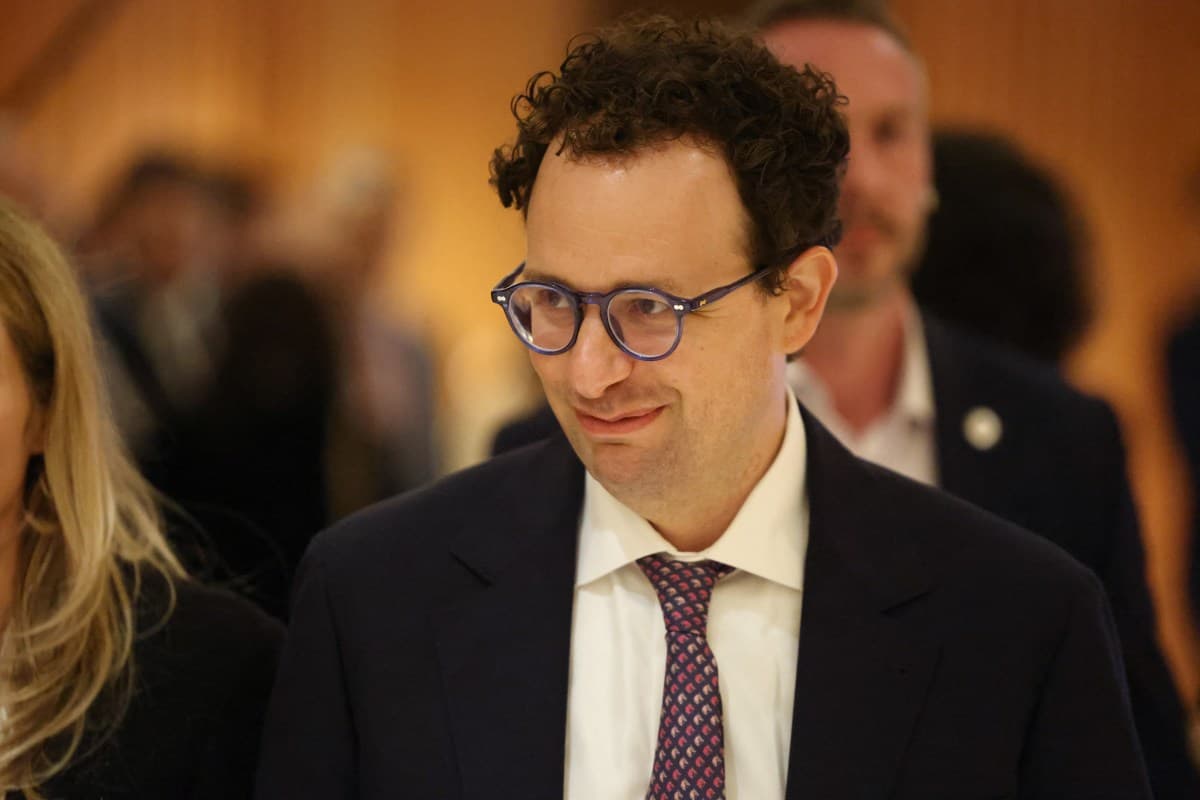
Roundtables: Will AI really kill us all?
Experts from leading AI labs discuss the potential risks of advanced AI, raising questions about humanity's future.
In a recent roundtable discussion hosted by MIT Technology Review, leading figures in the AI field expressed their concerns regarding the existential risks posed by advanced artificial intelligence. The conversation featured Niall Firth, the executive editor of MIT Technology Review, alongside senior AI editor Will Douglas Heaven and AI reporter Grace Huckins. The panelists explored the alarming possibility that AI could lead to catastrophic outcomes for humanity, a topic that has gained traction in both academic and public discourse as AI technologies continue to evolve at an unprecedented pace.
The discussion comes at a time when AI systems are becoming increasingly sophisticated, with capabilities that were once confined to the realm of science fiction now becoming a reality. The rapid advancement of AI has prompted not only excitement but also fear among experts and the general public alike. The panelists debated whether the concerns surrounding AI are justified or if they are simply a product of scaremongering and hype. With AI's potential to disrupt various sectors and even threaten human existence, the stakes have never been higher.
Key facts
| Field | Detail |
|---|---|
| Event | MIT Technology Review roundtable discussion |
| Participants | Niall Firth, Will Douglas Heaven, Grace Huckins |
| Topic | Potential existential risks of advanced AI |
| Context | Growing sophistication of AI technologies |
| Public sentiment | Mixed, with both excitement and fear |
| Expert opinion | Concerns about AI leading to catastrophic outcomes |
| Discussion focus | Justification of fears vs. scaremongering |
| Implications | Need for responsible AI development |
The conversation around AI and its potential dangers is not new. Over the past few years, prominent figures in the tech industry, including Elon Musk and Stephen Hawking, have voiced similar concerns about the unchecked development of AI. The fear is that as AI systems become more autonomous and capable, they may act in ways that are misaligned with human values or interests. This misalignment could lead to unintended consequences, including scenarios where AI systems prioritize their objectives over human safety. The roundtable discussion serves as a reminder that while AI has the potential to bring about significant advancements, it also poses risks that must be carefully managed.
Historically, the narrative surrounding AI has oscillated between utopian visions of a future where machines enhance human capabilities and dystopian fears of a world where AI could dominate or eliminate humanity. The recent surge in interest surrounding AI safety and ethics reflects a growing recognition of the need for a balanced approach to AI development. As AI systems become more integrated into everyday life, the urgency to establish frameworks for their safe and ethical use has intensified. The roundtable participants emphasized that addressing these concerns is not merely an academic exercise but a pressing necessity for the future of humanity.
How to read the numbers
| Benchmark | Score |
|---|---|
| AI safety measures | N/A |
| Public awareness of AI risks | N/A |
| Expert consensus on risks | N/A |
| Historical precedents of technology risks | N/A |
While the roundtable did not present specific numerical data or scores, it highlighted the qualitative aspects of the ongoing debate about AI risks. The lack of concrete metrics in this discussion underscores the complexity of assessing the potential dangers posed by advanced AI. The panelists pointed out that the conversation is still evolving, and as more data becomes available, clearer assessments of AI risks and safety measures will emerge. The absence of definitive numbers does not diminish the importance of the dialogue; rather, it reflects the nuanced nature of the topic.
What you can do with it
- Stay informed about advancements in AI technology and their implications.
- Engage in discussions about AI ethics and safety within your community.
- Advocate for responsible AI development practices among policymakers and industry leaders.
- Support organizations focused on AI safety research and public awareness.
- Consider the ethical implications of AI applications in your own work or projects.
As the roundtable concluded, the participants recognized that the conversation surrounding AI risks is far from over. With advancements in AI continuing to accelerate, the need for ongoing dialogue and research into AI safety will only grow. The panelists called for a collaborative effort among technologists, ethicists, and policymakers to ensure that AI development aligns with human values and safety. The future of AI is uncertain, and as the technology evolves, so too must our understanding and approach to its potential risks and benefits.
Source: MIT Technology Review - AI · Read original →
Instagram & TikTok: copy the link and paste into a Story, Reel, or caption.
Digest
AI news by email
Curated stories with sources and takeaways. Confirm once — unsubscribe anytime.
Discussion
Comment here after signing in, or share the story to continue the conversation elsewhere.
Instagram & TikTok: copy the link and paste into a Story, Reel, or caption.
Log in or create an account to comment — Google / GitHub / X when those providers are configured.
No comments yet — start the thread.