Romance scams: AI-enabled romance scam workflows
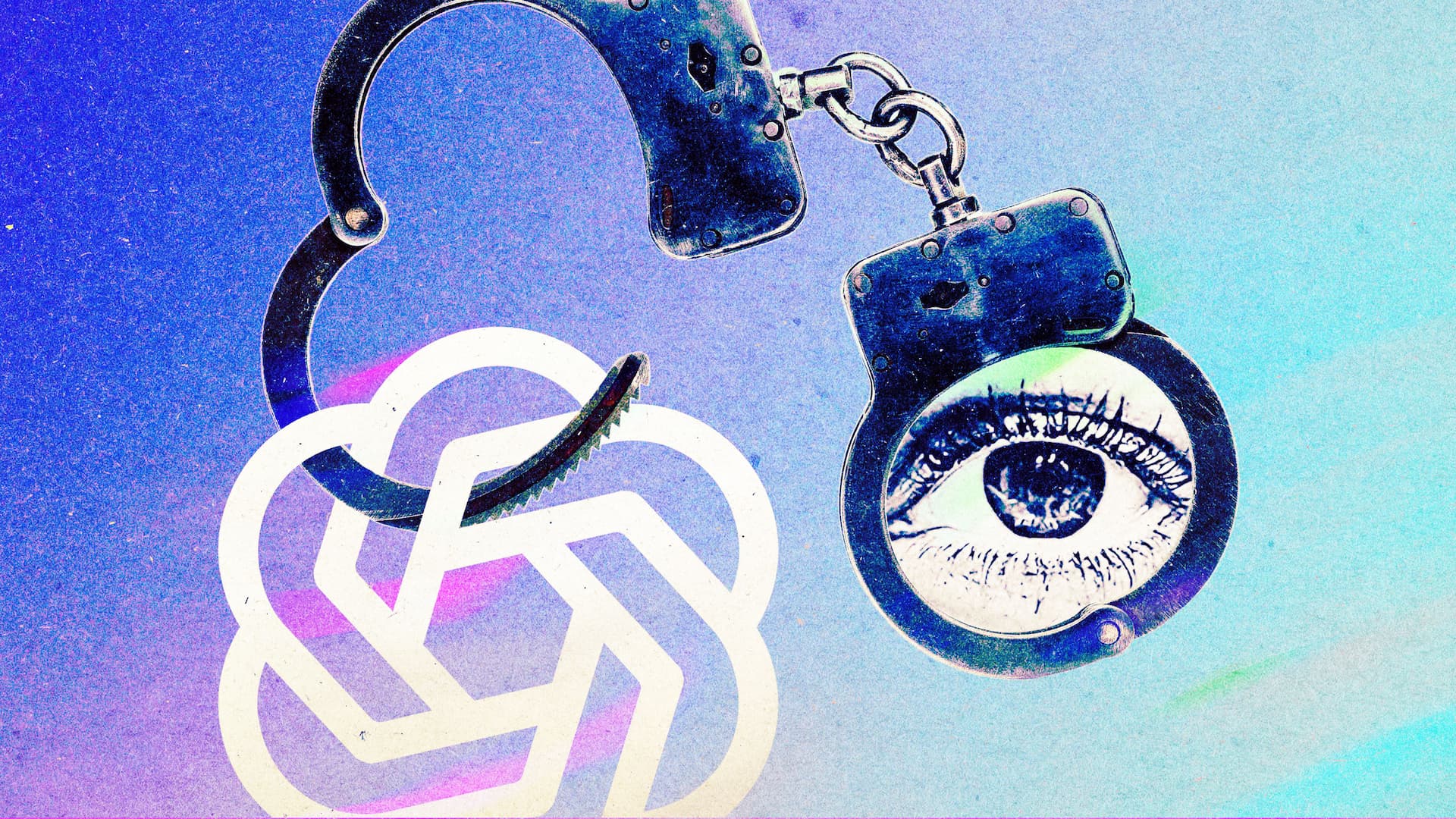
OpenAI takes a stand against AI-enabled romance scams by banning accounts involved in fraudulent workflows.
OpenAI has recently implemented a ban on accounts that utilize artificial intelligence to facilitate romance scams, a growing concern in the digital landscape. These scams often involve deceptive practices where fraudsters create fake identities to exploit individuals emotionally and financially. By leveraging AI technologies, scammers can automate various aspects of their operations, including outreach, translation of messages, and engagement with potential victims. This move by OpenAI signals a proactive approach to combating the misuse of AI in fraudulent activities, particularly in the realm of online dating and relationships.
The decision to ban these accounts comes in response to an alarming increase in reports of romance scams, which have been exacerbated by the accessibility and capabilities of AI tools. Fraudsters are now able to craft convincing narratives and engage with victims in a more personalized manner, making it increasingly difficult for individuals to discern genuine connections from manipulative schemes. OpenAI's action reflects a broader commitment to ensuring that its technologies are not exploited for harmful purposes, particularly as the lines between genuine interactions and scams continue to blur in the digital age.
Key facts
| Field | Detail |
|---|---|
| Action Taken | OpenAI banned accounts using AI for romance scam workflows |
| Types of Scams | Outreach, translation, victim engagement, investment fraud lures |
| Impact on Users | Aims to protect individuals from emotional and financial exploitation |
| AI's Role | Automates scam operations, enhancing personalization and deception |
| Response to Reports | Action taken due to increasing reports of romance scams |
| OpenAI's Commitment | Ensuring technology is not misused for harmful activities |
| Future Monitoring | Ongoing efforts to monitor and prevent AI misuse in scams |
Romance scams are not a new phenomenon; however, the integration of AI into these schemes has introduced a new level of sophistication. Traditionally, scammers relied on manual processes to engage with victims, often leading to slower operations and less effective outreach. The advent of AI has allowed these criminals to streamline their workflows, enabling them to reach a larger audience with tailored messages that resonate on a personal level. This shift has raised significant concerns among cybersecurity experts and law enforcement agencies, as the potential for harm increases with the growing capabilities of AI technologies.
Prior to this ban, OpenAI had already taken steps to address the misuse of its models in various contexts, but the rise of AI-enabled romance scams necessitated a more targeted approach. The company’s decision to act against these accounts underscores the urgency of addressing the intersection of AI technology and online fraud. As more individuals turn to online platforms for companionship, the risk of falling victim to such scams becomes more pronounced, making it imperative for tech companies to take a stand against these practices.
How to read the numbers
| Benchmark | Score |
|---|---|
| Increase in Reports | High |
| Automation of Scams | Significant |
| Victim Engagement Rate | High |
| Financial Losses | Rising |
The statistics surrounding romance scams are staggering, with reports indicating a significant rise in both the number of incidents and the financial losses incurred by victims. The automation of these scams through AI has made it easier for fraudsters to engage with multiple victims simultaneously, increasing their chances of success. As a result, the financial implications for individuals who fall prey to these schemes can be devastating, leading to not only monetary loss but also emotional distress.
What you can do with it
- Stay Informed: Educate yourself about the signs of romance scams and how to identify potential red flags.
- Report Suspicious Activity: If you encounter accounts or messages that seem fraudulent, report them to the platform and relevant authorities.
- Use Caution Online: Be cautious when sharing personal information and engaging with individuals on dating platforms.
- Leverage Technology: Utilize tools and resources designed to help identify and protect against scams.
- Engage with Community Resources: Participate in discussions and forums that focus on online safety and scam prevention.
As OpenAI continues to refine its policies and monitoring systems, the company is likely to implement further measures to combat the misuse of AI in various contexts. The ongoing battle against romance scams highlights the need for vigilance among users and the tech community alike. With the rise of AI capabilities, it is crucial for both individuals and organizations to remain proactive in safeguarding against the evolving tactics employed by scammers. The future of online interactions will depend on the collective efforts to create a safer digital environment, where technology is used for genuine connections rather than exploitation.
Source: OpenAI News · Read original →
Instagram & TikTok: copy the link and paste into a Story, Reel, or caption.
Digest
AI news by email
Curated stories with sources and takeaways. Confirm once — unsubscribe anytime.
Discussion
Comment here after signing in, or share the story to continue the conversation elsewhere.
Instagram & TikTok: copy the link and paste into a Story, Reel, or caption.
Log in or create an account to comment — Google / GitHub / X when those providers are configured.
No comments yet — start the thread.